
Does Oiling Make Dandruff Worse? Understanding the Truth Behind India’s Most Common Hair Ritual
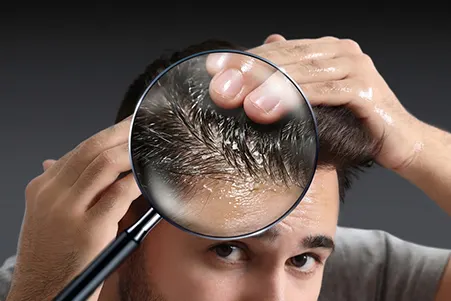
Hair oiling sits at the heart of Indian hair care. Many of us grow up believing that oil nourishes the scalp, strengthens roots, and keeps dandruff away. Yet, if you deal with flakes, you may notice something confusing: your dandruff seems more visible or itchier after oiling. This leads to a common question: does oiling actually make dandruff worse?
The short answer is that while oiling does not cause dandruff, it can make your dandruff worse in some cases.
Understanding dandruff and how the scalp reacts to oil
Dandruff develops when the scalp’s natural balance shifts. Factors like excess oil, an overgrowth of dandruff-causing microbes, sweat, and product buildup can all trigger visible flakes and itching.
Malassezia, the dandruff-causing fungus, feeds on the scalp’s natural oil. When more oil is externally added to an already oily scalp where dandruff is present, it just creates an ideal environment for the fungus to thrive.
Besides, adding more oil, especially in heavy amounts, can cause flakes to clump together and stick to the scalp. This makes dandruff more noticeable.
Oil also traps dirt, sweat, and dead skin if it stays on the scalp for too long. Without proper cleansing, this buildup can lead to discomfort and itching.
Key takeaways
● Dandruff forms due to scalp imbalance, not oil alone. But adding more oil helps the dandruff-causing fungus to thrive
● Extra oil can make existing flakes more visible
● Oil traps dirt and dead skin if not washed off properly
Also read: Different Hair Oils & Their Effects on Dandruff
Why dandruff often looks worse after oiling
Many people feel their dandruff increases immediately after oiling. What they usually see is flake visibility. Oil causes loose flakes to absorb moisture and swell, making them appear larger and more obvious on the scalp and hair.
Oiling can also intensify itching if the scalp already feels irritated. Scratching spreads flakes further and creates redness, giving the impression of a worsening condition. In humid weather, oil mixed with sweat can make the scalp feel heavier and greasier, adding to discomfort.
This is why leaving oil overnight or for long hours can feel soothing initially but uncomfortable later, especially for oily or dandruff-prone scalps.
Key takeaways
● Oil makes flakes clump and stand out more
● Itch can increase when oil mixes with sweat and buildup
● Long oiling durations often worsen scalp discomfort
Should you stop oiling if you have dandruff?
It is generally recommended to reduce ( or stop) oiling if you have dandruff, as it feeds the dandruff-causing fungus. For some, the key lies in changing how you oil. Light, controlled oiling focuses on hair nourishment rather than scalp saturation. Applying oil mainly to hair lengths and ends reduces scalp buildup while still delivering softness and shine.
If you choose to oil your scalp, do it briefly. A short massage followed by washing within a few hours prevents oil from sitting long enough to trap impurities. This approach works better than overnight oiling for dandruff-prone scalps.
Think of oil as a pre-wash treatment, not a leave-in solution for the scalp.
Key takeaways
● Oiling may or may not need to stop completely
● Light oiling works better than heavy scalp oiling
● It is not recommended to leave oil on for long hours if you have a dandruff-prone scalp
Do coconut or mustard oils worsen dandruff?
Coconut and mustard oils remain popular choices in India, but their effect depends on scalp type and usage. These oils do not cause dandruff, yet they are heavier in texture. On oily or flaky scalps, heavy oils can sit on the surface and mix with natural sebum.
This combination allows flakes to cling more easily, making dandruff appear thicker. Mustard oil, with its warming nature, can also trigger irritation on sensitive or itchy scalps.
Used sparingly and washed off well, these oils can still support hair health. The issue arises when they stay on the scalp too long or get applied too frequently.
Key takeaways
● Coconut and mustard oils do not create dandruff on their own
● Heavy oils can worsen flake visibility on oily scalps
● Proper washing reduces negative effects
How to oil properly when you have dandruff?
If your scalp flakes, oiling works best as a controlled step in your routine. Apply only a light layer and massage softly to prevent scalp discomfort. Avoid scratching while oiling, as this can loosen more flakes.
Follow oiling with regular cleansing to remove excess oil, sweat, and debris. A shampoo designed for oily, dandruff-prone scalps helps maintain balance without stripping moisture. Formulations like Head & Shoulders Deep Cleanse Dandruff Shampoo with oxygenated charcoal help lift excess oil and impurities while offering 100% protection^ from oily, sticky dandruff when used regularly. This kind of balanced cleansing keeps the scalp fresh while hair stays manageable.
Consistency matters more than intensity. A clean scalp responds better than one overloaded with oil.
^ Only visible flakes. With regular use of at least 3 times a week
Key takeaways
● Use small amounts and massage gently
● Avoid leaving oil on the scalp for long hours
● Regular cleansing keeps oil and flakes under control
Final thoughts
Hair oiling remains a valued ritual, but dandruff-prone scalps need a mindful approach. Heavy or prolonged oiling can make flakes look worse by increasing oil buildup, alongside feeding the dandruff-causing bacteria. When you adjust how you oil and cleanse regularly, you support scalp comfort without giving up tradition.
The goal is to balance nourishing your hair, respecting your scalp, and keeping your routine simple and consistent. When oiling and cleansing work together, dandruff stays under control and your scalp feels healthier over time.
FAQs
Is oiling bad for a dandruff-prone scalp?
Oiling does not cause dandruff, but heavy oiling can worsen existing dandruff and make flakes more visible. Excess oil allows flakes to stick and build up on the scalp.
Why does my dandruff increase after oiling my hair?
Oiling makes existing flakes swell and clump together, so they stand out more. Oil can also trap sweat and dirt if not washed off properly.
Should I stop oiling my hair if I have dandruff?
You do not need to stop oiling completely. Use less oil and wash your hair within a few hours to avoid buildup. In case of extremely stubborn dandruff that refuses to go away, it is always better to consult a dermatologist.
Is it okay to oil hair when you have an itchy, flaky scalp?
Light oiling is fine, but prolonged oiling can increase irritation. Always cleanse your scalp properly after oiling.
How should I oil my hair properly if I have dandruff?
Use a small amount as a short pre-wash treatment. Focus on hair lengths and wash your scalp thoroughly within a few hours.