
Dandruff in Winter: Why Dry Flakes Develop & How to Prevent Them

When winter sets in across India, many people notice one common problem, persistent flakes on dark clothes. If you struggle with dandruff in winter, you’re not alone. The seasonal shift in temperature, humidity, and haircare habits creates the perfect conditions for flaking.
Let’s understand the real science behind winter and dandruff and more importantly, how to control it effectively.
Why Does Dandruff Get Worse in Winter?
If you’ve ever wondered why flakes suddenly appear or worsen when temperatures drop, the answer lies in scalp biology.1. Cold Air Dries Out the Scalp
Winter air contains less moisture. Low humidity pulls hydration from your scalp, weakening its protective barrier. This dryness is one of the biggest dry dandruff causes during colder months.2. Hot Showers Disrupt the Scalp Barrier
Hot water showers might feel cozy and comforting in winter, but they have an adverse effect on your scalp and hair. Very hot water strips away natural oils that protect your scalp. Once this barrier is compromised, irritation increases, leading to visible flaking. This is one of the most overlooked reasons for a flaky scalp in winter.3. Faster Skin Cell Turnover
To understand the root issue, it’s important to know how dandruff is formed in hair. Your scalp constantly renews skin cells and the dead skin cells are shed invisibly. However, when the scalp becomes irritated or imbalanced, this renewal process speeds up. This makes the dead skin cells clump together and fall as noticeable flakes.4. Fungal Imbalance (Malassezia)
Dandruff is often linked to a naturally occurring yeast called Malassezia. It feeds on scalp oils. During winter, dryness and oil imbalance can trigger irritation, causing the scalp to overreact and shed more cells. This explains why winter and dandruff are closely connected.5. Reduced Hair Washing
People tend to wash their hair less often in winter. Oil, sweat, and product build-up accumulate, creating further reasons for a flaky scalp. This worsens existing dry dandruff causes and makes flakes more visible.In short, dandruff in winter is not caused by dryness alone. It’s the result of a weakened scalp barrier, microbial imbalance, and accelerated skin shedding, all working together.
Winter Dry Scalp vs Dandruff: What’s the Difference?
Many people confuse simple dryness with dandruff. Understanding this difference helps you choose the right approach instead of treating every flake as simple dryness. Here’s a clear comparison:| Factor | Dry Scalp in Winter | Dandruff in Winter |
|---|---|---|
| Main Trigger | Lack of moisture | Fungal imbalance + irritation |
| Flake Size | Small, fine, powdery | Larger, visible white or yellowish flakes |
| Itching | Mild | Often persistent and noticeable |
| Oil Level | Usually dry | Can be oily or dry |
| Solution | Hydration + Gentle care | Targeted anti-dandruff treatment |
How to Get Rid of Dandruff in Winter
Now that you understand the root causes, let’s focus on solutions. Getting rid of dandruff in winter requires a consistent and balanced approach.1. Use an Effective Anti-Dandruff Shampoo
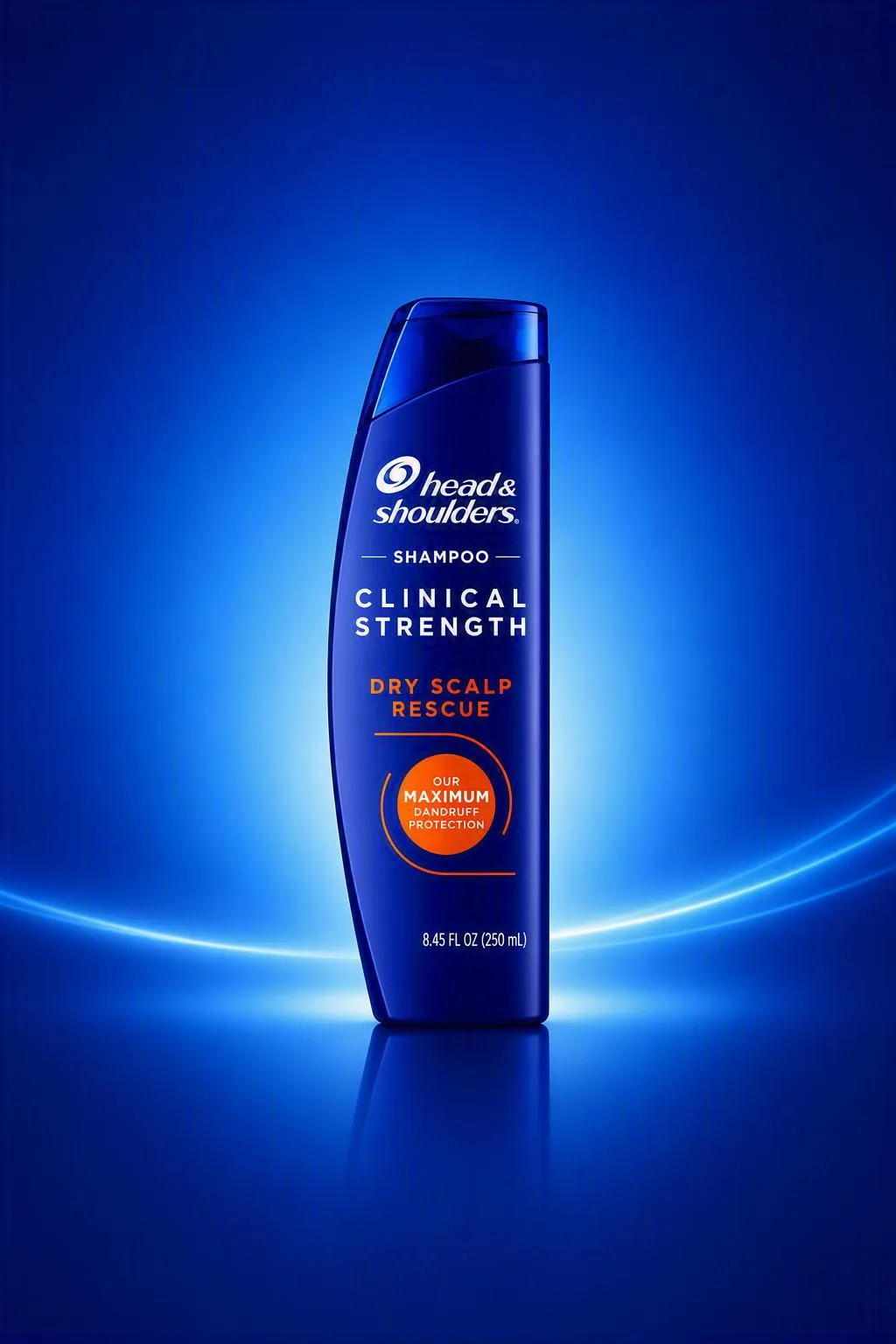
Choose a clinically proven formula that targets the root cause of flakes, not just surface dryness. A trusted option like Head & Shoulders helps fight dandruff-causing microbes while maintaining scalp balance. Regular use can significantly reduce visible flakes and itching.2. Wash 2–3 Times a Week
Don’t skip washes during winter. Consistent cleansing prevents oil and product build-up, the two major reasons for a flaky scalp.3. Switch to Lukewarm Water
Hot water exposure is one of the many reasons for flaky scalp. Lukewarm water helps preserve your scalp’s natural barrier and maintains the natural oil-balance on your scalp and hair.4. Be Careful with Oiling
Light oiling may soothe temporary dryness, but excessive oil can feed fungal growth in dandruff-prone scalps. If flakes persist, treat the root cause instead of masking it.
5. Support Scalp Health Internally
Stay hydrated and maintain a balanced diet rich in essential nutrients. Healthy skin renewal reduces excessive shedding and improves overall scalp condition.Extra Tips to Prevent Dry Dandruff in Winter
Beyond cleansing and product choice, these additional habits can help minimise dry dandruff causes during colder months:1. Use a Humidifier Indoors
Indoor heating reduces air moisture. A humidifier helps maintain balanced humidity levels, preventing excessive scalp dryness.2. Avoid Over-Styling
Frequent blow-drying with high heat can dry out the scalp further. If you use styling tools, apply heat protectant products, and opt for cooler settings.3. Gently Exfoliate the Scalp
Use a mild scalp exfoliator once every few weeks to remove dead skin build-up. This helps regulate the shedding cycle and prevents flakes from accumulating.4. Choose Breathable Headwear
Woollen caps and beanies can trap sweat and oil. Opt for breathable linings or avoid wearing tight caps for long hours to reduce common reasons for flaky scalp.5. Manage Stress Levels
Stress can disrupt skin cell turnover and worsen dandruff in winter. Regular exercise, sleep, and mindfulness practices support scalp health.6. Patch-Test New Products
Winter skin is more sensitive. Introducing new hair products without testing can trigger irritation. So always do a patch test before trying new haircare products.Summing Up
Winter may be harsh on your skin, but it doesn’t have to be harsh on your scalp. Once you understand the real link between winter and dandruff, it becomes much easier to manage. A few smart changes can make all the difference.So instead of brushing flakes off your shoulders all season, focus on keeping your scalp balanced and healthy. With the right care, dandruff in winter doesn’t stand a chance.