
Helmet and Dandruff: Does Wearing One Lead to Scalp Flakes?
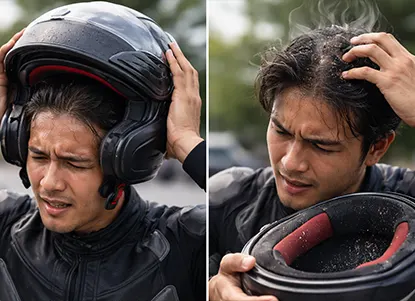
If you wear a helmet daily, whether for commuting, biking, or safety, you may have wondered: Does wearing a helmet cause dandruff? It’s a common concern, especially in hot and humid conditions where sweat, oil, and friction come into play.
The truth is, helmets themselves don’t directly cause dandruff. However, the environment they create on your scalp can contribute to conditions that trigger flakes. In this blog, we break down the real connection between helmets and scalp health, and answer key questions like, can helmets cause dandruff?
Does Wearing a Helmet Cause Dandruff?
Let’s address the core question: Does wearing a helmet cause dandruff?
Short answer: Not directly, but it can create conditions that increase the likelihood of dandruff.
Dandruff is typically linked to factors like excess oil, microbial imbalance, and scalp irritation. Wearing a helmet, especially for long hours, can trap heat and sweat, which may disrupt the scalp’s natural balance.
How Helmets Can Contribute to Dandruff
While helmets are essential for safety, they can impact your scalp environment in subtle but significant ways. Some of these are mentioned below:
1. Sweat and Moisture Build-Up
Helmets reduce airflow, causing sweat to accumulate on the scalp. This moist environment can:● Encourage microbial growth
● Make flakes stickier and more visible
● Trigger itchiness and irritation
2. Excess Oil Production
A covered scalp may produce more sebum (natural oil), leading to:● Greasy roots
● Build-up on the scalp
● Oily dandruff
3. Friction and Scalp Irritation
Constant rubbing between the helmet lining and your scalp can:● Irritate the scalp barrier
● Causes mild inflammation
● Lead to flaking over time
4. Lack of Ventilation
Poor air circulation can disrupt the scalp’s natural ecosystem, making it harder for your scalp to “breathe” and stay balanced.Can a Helmet Cause Dandruff in Everyone?
Not necessarily. Whether helmet use leads to dandruff depends on your scalp type, hygiene habits, and environment.
You’re More Likely to Experience Dandruff If:
● You have an oily scalp● You wear a helmet for long hours daily
● You live in a hot, humid climate
● You don’t wash your hair regularly
● Your helmet lining is unclean or rarely washed
You’re Less Likely If:
● Your scalp is naturally balanced or dry● You maintain good scalp hygiene
● You clean your helmet frequently
Helmet vs Dandruff: Breaking the Myth
| Myth | Reality |
|---|---|
| Helmets directly cause dandruff | Helmets create conditions that may trigger dandruff |
| Only sweaty people get dandruff from helmets | Anyone with poor scalp balance can be affected |
| Removing the helmet solves dandruff | Proper scalp care is still essential |
So, while the answer to whether helmets cause dandruff isn’t a straightforward yes, the connection is strong enough to require attention.
Signs Your Helmet May Be Affecting Your Scalp
If you’re unsure whether your helmet habits are contributing to flakes, look for these signs:
- Itchy scalp after removing your helmet
- Greasy roots within hours of washing
- Visible flakes on hair or shoulders
- Mild scalp irritation or redness
- A “sticky” feeling on the scalp
How to Prevent Dandruff While Wearing a Helmet
You don’t have to choose between scalp health and safety. With the right care, you can manage both effectively.
1. Keep Your Scalp Clean
Regular cleansing helps remove sweat, oil, and build-up. Try to:
● Wash your hair 2–3 times a week
● Focus on the scalp, not just hair lengths
2. Use a Proven Anti-Dandruff Shampoo
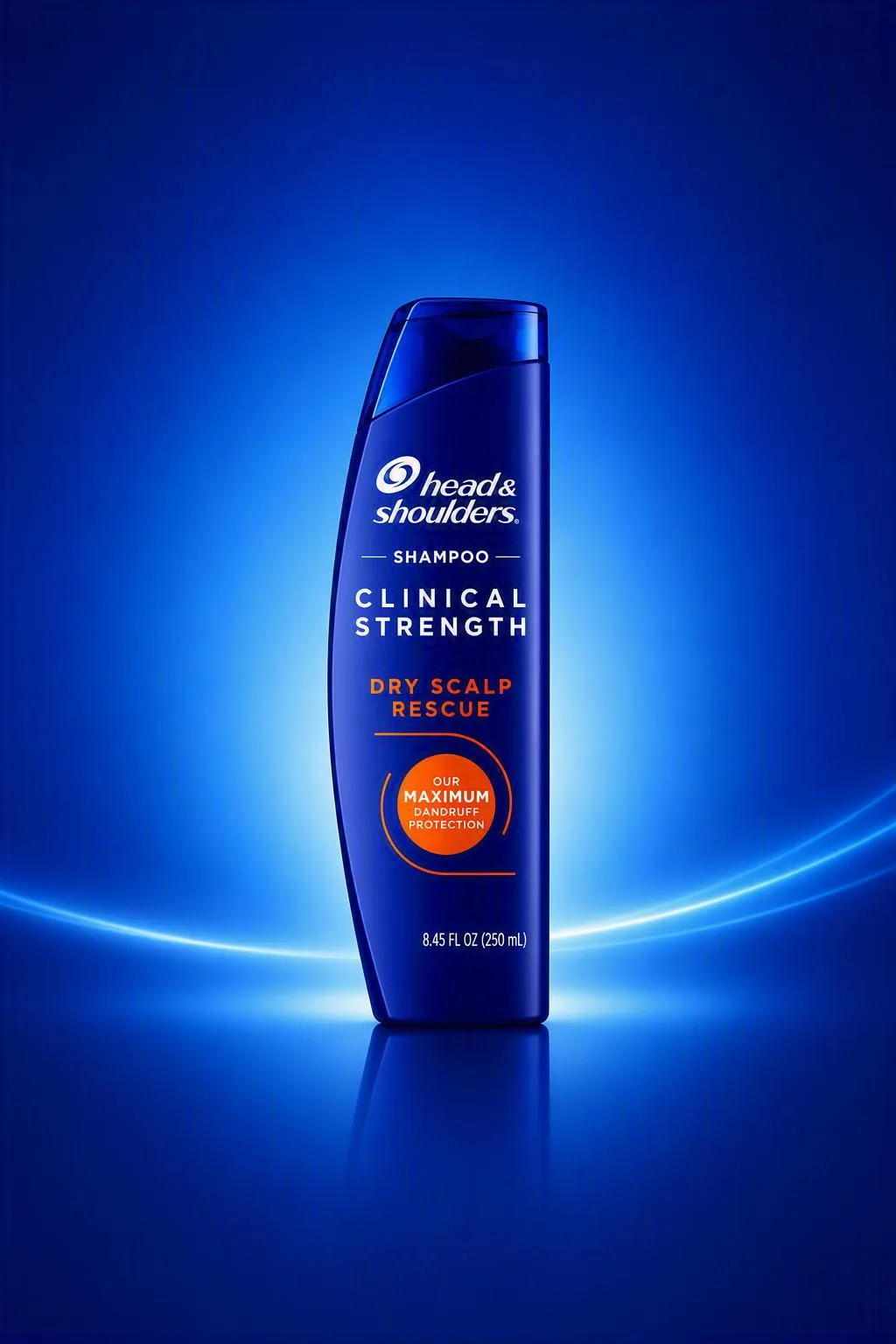
Choosing the right shampoo makes a significant difference.Head & Shoulders is a trusted anti-dandruff solution in India, designed to:
● Target the root cause of dandruff
● Remove visible flakes effectively
● Maintain scalp balance even with regular use
Its formulations are particularly helpful if your scalp is exposed to sweat and environmental stress from helmet use.
3. Maintain Helmet Hygiene
Your helmet can harbour sweat, oil, and bacteria if not cleaned regularly. Best practices include:● Wash or wipe the inner lining weekly
● Use removable, washable padding if possible
● Let your helmet air-dry after use
4. Let Your Scalp Breathe
● Remove your helmet whenever it is safe to do so● Allow your hair to dry completely before use
5. Manage Oil and Sweat
● Tie your hair loosely to reduce friction● Use a clean cotton scarf or bandana under the helmet
● Avoid heavy styling products that cause build-up.
Choosing the Right Haircare Routine
If you regularly wear a helmet, your routine should focus on balancing oil, preventing build-up, and protecting the scalp barrier. Here’s an example of a generalised routine that you can customise as per your needs:
- Cleanse: Anti-dandruff shampoo
- Condition: Apply only to hair lengths
- Maintain: Keep scalp and helmet clean
- Repeat: Consistency is key for visible results
The Bottom Line
So, does wearing a helmet cause dandruff? Not directly, but it can definitely contribute if scalp and helmet hygiene are overlooked.Helmets create a warm, enclosed environment that can lead to sweat, oil build-up, and irritation, all of which are known triggers for dandruff. The good news? With the right habits and a consistent routine using trusted solutions like Head & Shoulders, you can keep flakes under control without compromising on safety. Your helmet protects your head; make sure your haircare routine protects your scalp just as well.