
Which treatments work best for itchy scalp caused by dandruff vs dryness?
An itchy scalp can be surprisingly difficult to deal with because the same symptoms can stem from different causes. For some people, the itch comes from dandruff that keeps returning no matter how often they wash their hair. For others, the problem is dryness, where the scalp lacks sufficient moisture and starts feeling tight, flaky, and uncomfortable.
Since dandruff and dry scalp require different approaches, using the wrong treatment may provide only temporary relief. Figuring out what's triggering the itch can help you choose products and habits that support long-term scalp comfort.
Why Does an Itchy Scalp Happen in the First Place?
An itchy scalp is often the result of irritation. However, the source of that irritation varies.
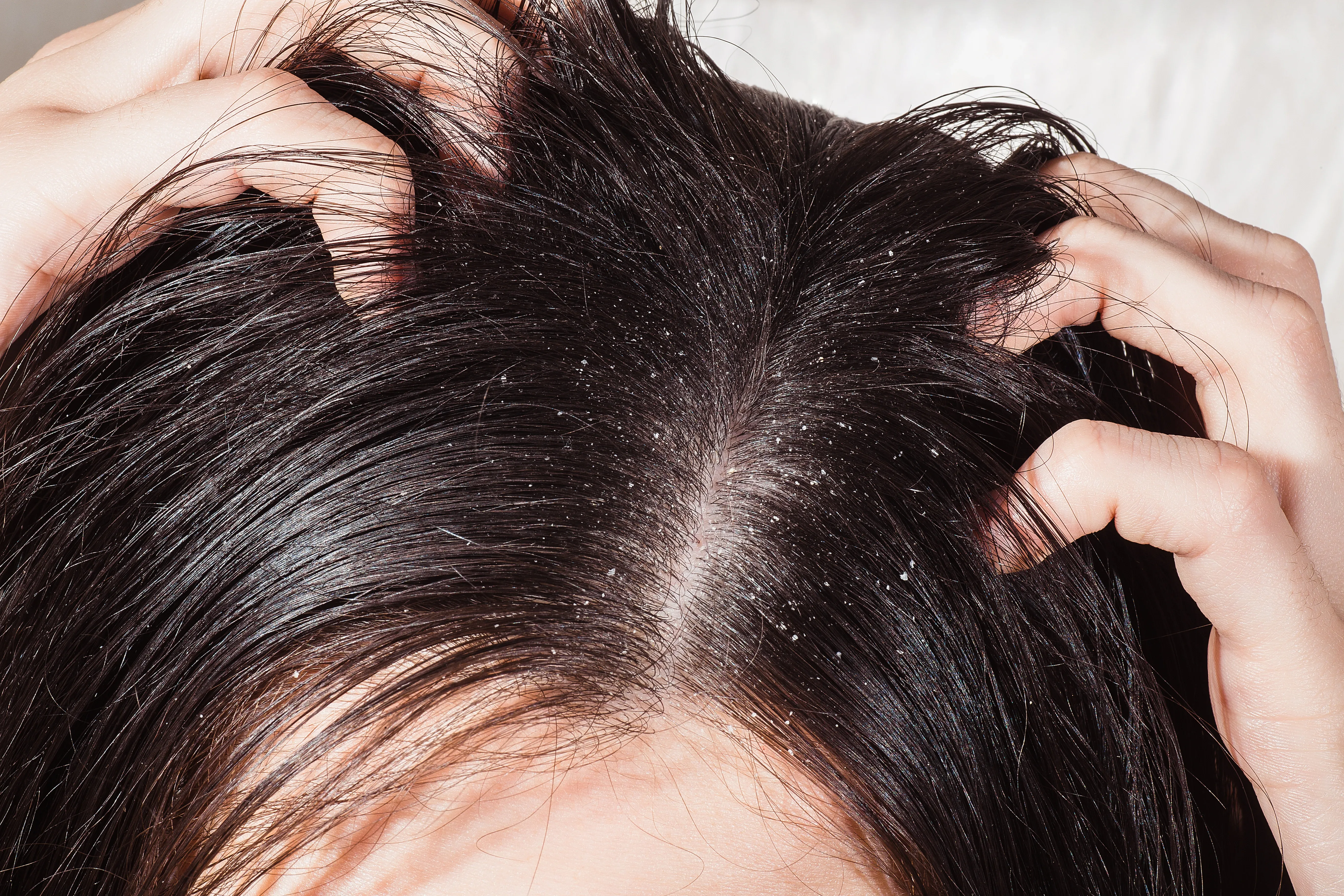
Dandruff-related itching is typically linked to scalp imbalance and the presence of dandruff flakes. You may notice larger flakes, scalp discomfort, and itchiness that seem to return shortly after washing.
Dry scalp itch, on the other hand, is usually associated with a lack of moisture. The scalp may feel tight, especially after shampooing, and the flakes tend to be smaller and lighter. Environmental factors, excessive washing, and exposure to hot water can sometimes make dryness worse.
Although both conditions can look similar from a distance, the treatments that work best are often very different.
Key Takeaways
• Not all scalp itch is caused by the same issue; dandruff and dryness are two of the most common triggers.
• Dandruff-related itch is often linked to scalp imbalance and visible flakes, while dry scalp itch is usually caused by moisture loss.
• Identifying the root cause helps you choose the right treatment instead of relying on temporary fixes.
Signs Your Itchy Scalp is Caused by Dandruff
If dandruff is the underlying issue, you may notice:
• Visible flakes on your hair or clothing
• Itching that persists throughout the day
• An oily or greasy feeling at the roots
• Scalp irritation that comes and goes
In these situations, simply adding moisture may not be enough. The focus should be on controlling dandruff while maintaining a healthy scalp environment.
Key Takeaways
• Larger, visible flakes and persistent itching are common signs of dandruff. An oily or greasy scalp often accompanies dandruff-related irritation.
• Moisturising alone may not solve the problem; targeted anti-dandruff care is usually needed.
How Do I Treat an Itchy Scalp Caused by Dandruff?
When dandruff is causing irritation, an anti-dandruff shampoo should form the foundation of your routine. Regular cleansing helps remove flakes, clear buildup, and keep the scalp feeling comfortable. In such cases, a clinical-strength formula can help address both the symptoms and the underlying causes of dandruff.
For those dealing with persistent itch and stubborn flakes, Head & Shoulders Clinical Strength Cooling Itch Relief Shampoo can be a suitable option. Powered by 1% Selenium Sulfide, it helps control dandruff-causing microorganisms and reduce excessive scalp cell turnover, two key factors behind recurring dandruff.
The formula also delivers a cooling sensation that helps soothe scalp's discomfort while leaving the scalp feeling refreshed. Designed to provide 100% dandruff-free results from the first wash and 2X faster dandruff defense versus a regular anti-dandruff shampoo, it helps break the cycle of stubborn dandruff, flakes, and itch while remaining gentle on the scalp and leaving hair smelling great.
Key Takeaways
• Persistent scalp itch is often linked to stubborn dandruff.
• Clinical strength anti-dandruff shampoos can help address both the symptoms and root causes of stubborn dandruff.
• The cooling formula helps soothe scalp discomfort and refresh the scalp.
When Dandruff and Hair Fall Occur Together
Scalp discomfort doesn't always come alone. Some people also notice increased hair breakage when dandruff becomes a recurring concern.
In such cases, Head & Shoulders Anti-Hairfall Anti-Dandruff Shampoo offers a dual-benefit approach. The formula helps tackle dandruff while supporting stronger-looking hair, making it a practical choice for those dealing with flakes and hair fall concerns simultaneously
Key Takeaways
• Consistent use of an anti-dandruff shampoo is the foundation of dandruff management.
• Cooling formulas can help provide additional relief from recurring scalp itch and discomfort.
• If dandruff is accompanied by hair fall concerns, choosing a shampoo that addresses both issues can simplify your routine.
What's the Difference Between Dandruff Itch and Dry Scalp Itch?
| Dandruff Itch | Dry Scalp Itch |
|---|---|
| Usually linked to scalp imbalance and dandruff flakes | Usually caused by a lack of moisture in the scalp |
| Flakes tend to be larger and more noticeable | Flakes are often small, light, and powdery |
| The scalp may feel oily or greasy at the roots | The scalp often feels tight, dry, or rough |
| Itching can persist even after washing your hair | Itching may feel worse after washing, especially with hot water |
| Anti-dandruff shampoos are typically the most effective treatment | Hydrating and moisture-focused hair care is usually more helpful |
| Flakes are more likely to appear on dark clothing and around the hairline | Flaking is often less visible and accompanied by dryness |
| May become more noticeable in hot, humid conditions | Can be triggered by cold weather, dry air, or overwashing |
| Benefits from targeted anti-dandruff ingredients that help control flakes | Benefits from gentle cleansing and improved scalp hydration |
Key Takeaways
• Dandruff is commonly associated with scalp imbalance, while dry scalp results from insufficient moisture.
• Larger flakes and oiliness often point to dandruff, whereas tightness and powdery flakes suggest dryness.
• Understanding the difference helps you choose products that address the actual cause of the itch.
Signs Your Itchy Scalp is Caused by Dryness
A dry scalp often behaves differently from dandruff.
Common signs include:
• Small, powdery flakes
• Tightness after washing
• A rough or uncomfortable feeling on the scalp
• Seasonal flare-ups during colder or drier weather
If these symptoms sound familiar, the scalp may need hydration-focused care rather than stronger cleansing.
Key Takeaways
• Dry scalp flakes are typically smaller, lighter, and more powdery than dandruff flakes.
• Tightness and discomfort after washing are strong indicators of scalp dryness.
• Environmental factors such as cold weather, dry air, and overwashing can worsen symptoms.
What Works Best for Dry Scalp Itching?
When dryness is the main culprit, restoring moisture becomes the priority. A gentle cleansing routine combined with nourishing hair care products can help improve overall scalp comfort.
A few simple adjustments can also make a difference:
• Avoid excessively hot water while washing
• Limit harsh styling products
• Keep hair and scalp hydrated
• Use a conditioner suited to your hair type
A Smoother Approach to Dryness
When dandruff and dryness appear together, the scalp can feel caught in a frustrating cycle. Flakes become more noticeable, the scalp may feel tight or uncomfortable, and frequent scratching can make the situation feel even worse. In these cases, choosing a shampoo designed for stubborn dandruff is often more effective than relying on products that only focus on moisturizing the scalp.
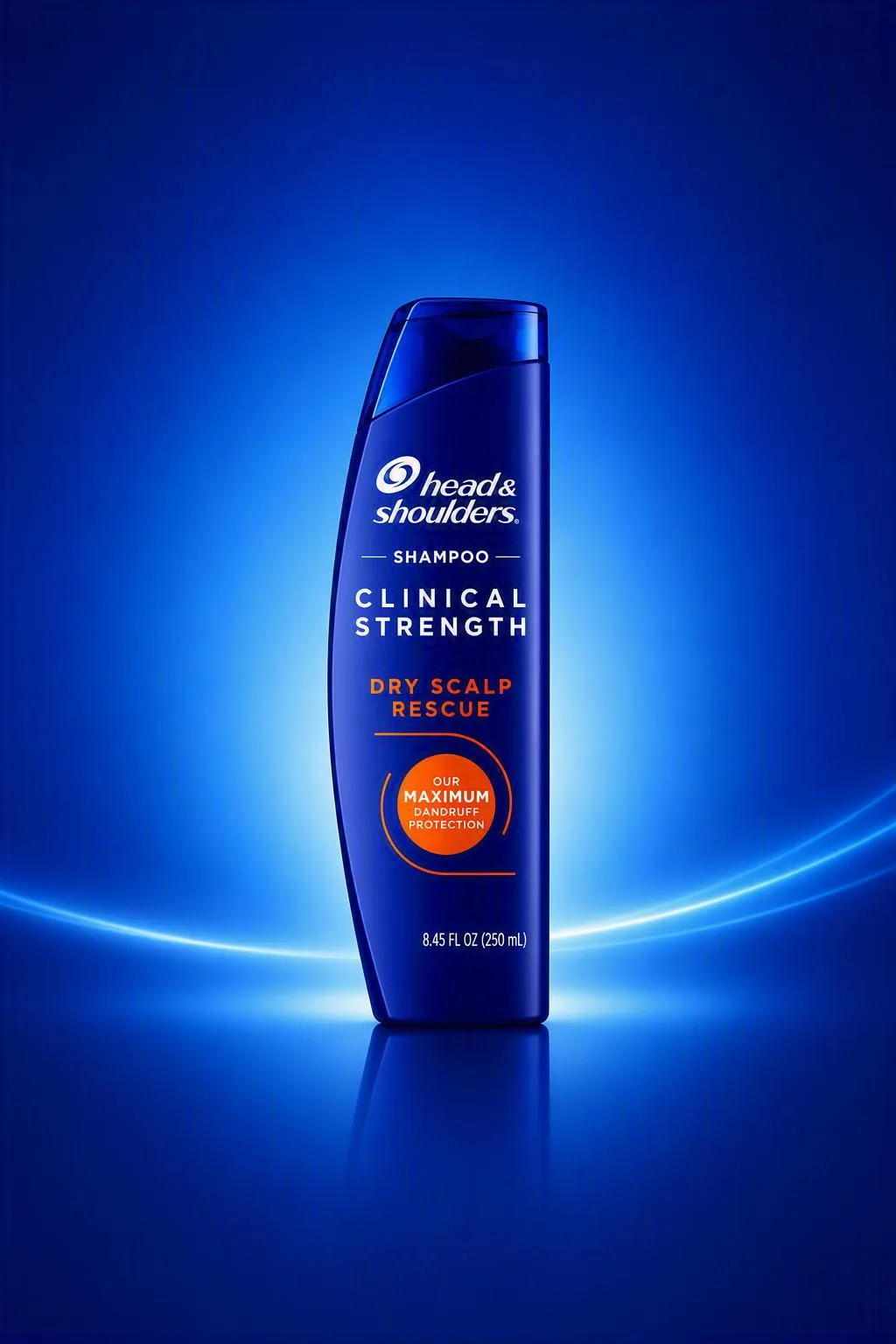
For those dealing with dry scalp concerns alongside stubborn dandruff, Head & Shoulders Clinical Strength Dry Scalp Rescue Shampoo can be a suitable option. Formulated with 1% Selenium Sulfide, the dermatologist-recommended active for stubborn dandruff, it helps target the root causes of persistent flakes while delivering clinical-strength dandruff protection.
The formula provides 100% dandruff-free results from the first wash and works 2X faster than a regular anti-dandruff shampoo, helping stop stubborn dandruff before it can return. With regular use, it helps leave the scalp feeling cleaner, more comfortable, and free from recurring dandruff concerns, while remaining gentle on the scalp and leaving hair fresh.
Key Takeaways
• Persistent dryness and flakes may be signs of stubborn dandruff rather than dryness alone.
• Treating the root causes of dandruff is key to reducing recurring flakes and scalp discomfort.
• Clinical-strength formulas with 1% Selenium Sulfide are designed to tackle stubborn dandruff effectively.
Consistency Matters More Than Quick Fixes
Whether the itch comes from dandruff or dryness, one-off treatments rarely solve the problem. A consistent scalp-care routine is often more effective than frequently switching products.
Regular cleansing, choosing products that match your scalp's needs, and avoiding habits that aggravate the scalp can all contribute to better long-term comfort.
Key Takeaways
• Consistency matters more than quick fixes. Frequent product switching can make scalp concerns harder to manage.
• The best results come from a routine tailored to your scalp's needs.
Conclusion
An itchy scalp can happen for different reasons, and that's where things often get confusing. The itch that comes with dandruff isn't the same as the tight, uncomfortable feeling of a dry scalp, even though they can look similar at first. That's why the same product doesn't always work for everyone.
If dandruff is the cause, using an anti-dandruff shampoo with clinically proven ingredients can help tackle the issue at its source. A dry scalp, on the other hand, usually benefits from moisture and gentle care. Knowing what's triggering the itch can save you from a lot of trial and error. For dandruff-related concerns, a consistent routine with science-backed solutions like Head & Shoulders can help keep flakes and irritation under control, even through India's hot, humid months.
FAQs
1. Which treatment works better for dandruff than dry scalp?
If dandruff is causing the itch, an anti-dandruff shampoo is usually the more effective choice because it targets the underlying cause of flakes and scalp irritation. A dry scalp, however, typically responds better to hydration-focused products and gentle hair care that help restore moisture and reduce tightness.
2. How do I know if my itchy scalp is caused by dandruff or dryness?
Dandruff usually causes larger flakes and may be accompanied by scalp oiliness, while dry scalp often produces smaller, powdery flakes and a feeling of tightness.
3. What is the best dandruff treatment for an itchy scalp?
A dedicated anti-dandruff shampoo used consistently can help manage dandruff-related scalp itch while keeping flakes under control.
4. Can dry scalp cause itching without dandruff?
Yes. Dryness alone can lead to irritation, tightness, flaking, and discomfort even when dandruff is not present.
5. Can dandruff and dry scalp happen at the same time?
Some people may experience signs of both conditions, especially when environmental factors and scalp imbalance occur together. In such cases, choosing products that cleanse effectively while supporting scalp comfort can be helpful.