
Oily Scalp: Causes, Symptoms & Dermatologist-Backed Treatments
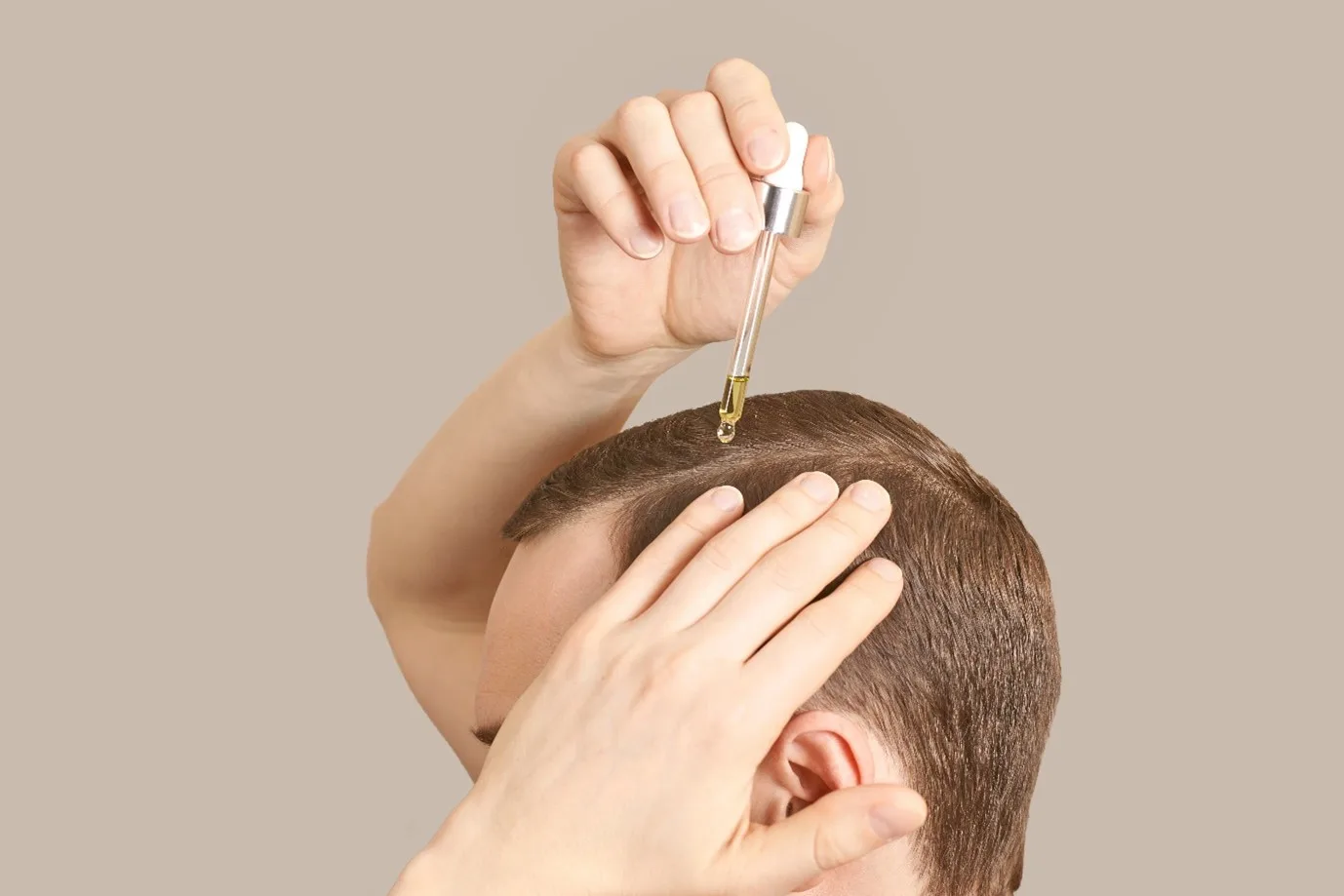
If your hair looks greasy just a day after washing, you are not alone, it could be because you have an oil scalp and you are probably making the problem worse by over-washing. Understanding what causes an oily scalp, what complications it creates, and which treatments genuinely work is the first step to getting it under control.
Table of Contents
What Is Oily Scalp and Why Does It Happen?
Oily Scalp Complications — What Can Go Wrong
How to Get Rid of Oily Scalp — What Actually Works
What Is Oily Scalp and Why Does It Happen?
Oily scalp meaning, simply put is when your sebaceous glands are producing more sebum than your scalp needs. The key driver is hormonal. Androgens, particularly DHT (dihydrotestosterone), stimulate oil-producing cells to increase lipid output. The enzyme 5-alpha-reductase converts testosterone into the more potent DHT directly within the scalp gland. This is why oiliness peaks at puberty, is more common in males, and worsens during PCOS, the menstrual cycle, or stress.
India-specific triggers add to this: monsoon humidity makes sebum more fluid and spreadable; urban pollution binds to oil creating a grimy buildup; helmet use traps heat and sweat against the scalp all day.
Key Takeaways
-
Oily scalp occurs when sebaceous glands overproduce sebum — the natural protective oil your scalp needs in normal amounts
-
The primary driver is hormonal: DHT (dihydrotestosterone) stimulates oil-producing cells, explaining why oiliness peaks at puberty, is more common in males, and worsens during PCOS or stress
-
India-specific triggers like monsoon humidity, urban pollution, and daily helmet use compound the problem significantly
Common Oily Hair Causes
Several factors determine how active your sebaceous glands become:
| Cause | How It Triggers Oiliness | India Relevance |
|---|---|---|
| Hormones (DHT) | Overstimulates sebaceous glands | Puberty, PCOS, stress-related shifts |
| Genetics | Inherited androgen receptor density sets baseline oil levels | Family history of oily skin or hair |
| Seborrhoeic Dermatitis | Malassezia overgrowth produces oily flakes | Worsens in monsoon humidity |
| Over-washing | Strips oils; scalp overcompensates with more sebum | Very common mistake in India |
| Product buildup | Heavy oils and styling products trap sebum in follicles | Heavy oiling habits feed Malassezia |
| High-glycaemic diet | Spikes insulin, boosting androgen activity | Refined carbs, dairy, and fried foods |
| Stress | Cortisol directly stimulates sebaceous glands | Urban work and academic pressure |
| Climate and pollution | Humidity spreads sebum; pollution sticks to oil | Monsoon; Mumbai and Delhi pollution |
Key Takeaways
- Hormones, genetics, and seborrhoeic dermatitis set your baseline oil level — factors largely outside your direct control
- Lifestyle triggers like over-washing, heavy oiling habits, a high-glycaemic diet, and stress can all actively worsen sebum production
- India's climate and pollution levels add an extra layer, with monsoon humidity and city pollution both accelerating scalp oil buildup
Oily Scalp Complications — What Can Go Wrong
Oily scalp and dandruff go hand in hand: excess sebum feeds Malassezia globosa, which metabolises it into oleic acid, triggering the irritation and rapid cell shedding behind oily dandruff. These are typically yellowish, greasy flakes that cling to the scalp rather than fall freely — quite different in appearance from the small, dry flakes of a dry scalp.
Does oily scalp cause hair loss? Not directly — but chronic seborrhoeic dermatitis and follicle clogging from excess sebum do weaken hair roots over time. Hair fall due to dandruff linked to oily scalp is usually temporary with the right treatment, but early action is always better than waiting for shedding to worsen. An itchy, oily scalp is most commonly seborrhoeic dermatitis; less often, contact dermatitis from a hair product or an eczema flare-up.
Key Takeaways
- Excess sebum feeds Malassezia globosa, the fungus behind oily dandruff — producing yellowish, greasy flakes that cling to the scalp
- Chronic seborrhoeic dermatitis and follicle clogging from excess oil can weaken hair roots over time, contributing to hair fall
- An itchy, oily scalp is most commonly a sign of seborrhoeic dermatitis, though contact dermatitis and eczema are also possible causes
How to Get Rid of Oily Scalp — What Actually Works
The best everyday routine to manage oily scalp and greasy hair combines a targeted shampoo with a few lifestyle adjustments:
Use a Piroctone Olamine (PO) Shampoo
Piroctone olamine is the most effective active for oily, dandruff-prone scalps. It targets Malassezia directly, helps regulate excess sebum, and reduces scalp inflammation. Clinical data shows over 80% dandruff reduction after six weeks. Head & Shoulders Cool Menthol Anti-Dandruff Shampoo and Deep Cleanse Shampoo are PO-formulated options. Use 2-3 times per week, lather into the scalp, and leave for 3-5 minutes before rinsing.
Myth: Washing less often will help your scalp make less oil over time as over washing strips away your natural oils. Fact: sebaceous glands are controlled by hormones, not surface oil. Under-washing simply allows buildup to worsen.
Key Takeaways
- A piroctone olamine (PO) shampoo used 2–3 times per week is the most clinically effective option as it targets Malassezia, reducing inflammation, and regulating sebum
- Washing less will not retrain your oil glands as sebaceous glands are hormone-driven, so the right shampoo and frequency matters far more than cutting back on washes
When to See a Dermatologist
Seek advice if you notice:
- No improvement after 2-4 weeks of home treatment
- Scalp becomes red, inflamed, or develops sores
- Hair loss does not improve alongside the oiliness
- Itching disrupts daily life or sleep
- Oiliness spreads to the face, eyebrows, or chest and is a sign of seborrhoeic dermatitis
Key Takeaways
- Seek advice if there is no improvement after 2–4 weeks of consistent anti-dandruff shampoo use, or if the scalp becomes red, inflamed, or develops sores
- Hair loss that does not improve alongside the oiliness, or itching severe enough to disrupt sleep, are both clear signals to get a professional assessment
- Oiliness spreading to the face, eyebrows, or chest may indicate seborrhoeic dermatitis requiring prescription-strength treatment
An oily scalp is rarely something you need to deal with. In most cases, the right shampoo used consistently, coupled with a few simple lifestyle adjustments, is enough to bring it firmly under control. A piroctone olamine-based shampoo like Head & Shoulders Cool Menthol Anti-Dandruff Shampoo or Deep Cleanse Shampoo, used two to three times per week, targets the root cause rather than just masking the grease. Start the routine, stay consistent, and most people see a noticeable difference within three to four weeks.
Frequently Asked Questions
Does an oily scalp cause hair loss?
Not directly, but sebum buildup encourages Malassezia overgrowth and follicle clogging, weakening roots over time. Hair fall is usually temporary; a piroctone olamine-based shampoo helps protect follicles. Persistent loss warrants a visit to a dermatologist.
How to get rid of oily dandruff?
Use a piroctone olamine anti-dandruff shampoo 2-3 times per week, avoid heavy oiling, and rinse. Results are typically visible within 3-4 weeks.
Why is my scalp so oily even after washing?
Over-washing strips natural oils and triggers reactive overproduction. Switch to a gentle piroctone olamine shampoo, wash every other day, and rinse with cool water as heat stimulates oil glands further.
Which shampoos work best for oily scalp and greasy hair, and how should I use them?
Piroctone olamine shampoos are the most clinically effective option as they target Malassezia, reduce inflammation, and help regulate sebum. Apply 2-3 times per week, massage into the scalp, and leave for 3-5 minutes. Head & Shoulders Cool Menthol and Deep Cleanse are strong choices.