
Why Oily Scalp is More Prone to Dandruff
You wash your hair in the morning, only to find it looking greasy again by the end of the day. Add recurring dandruff to the mix, and it can feel like no amount of shampooing solves the problem for long. An oily scalp is one of the most common environments for dandruff to thrive, which is why the two concerns often show up together.
But what exactly is the connection between excess oil and dandruff, and what can you do to manage both without leaving your hair feeling dry or stripped?
Why Does an Oily Scalp Lead to More Dandruff?
Your scalp naturally produces sebum, an oil that helps protect and moisturise the skin. The problem begins when too much sebum accumulates on the scalp.
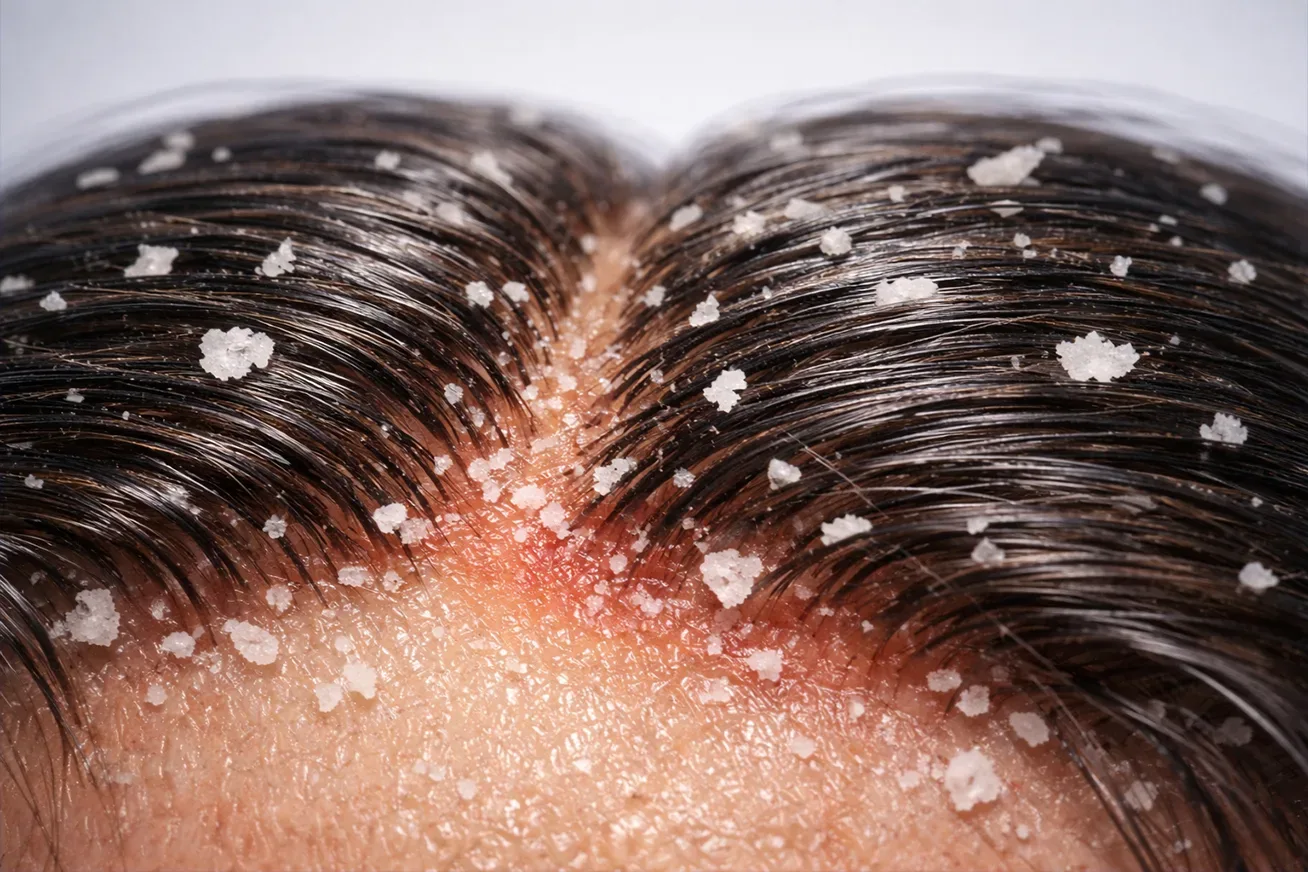
Excess oil can trap dead skin cells, sweat and everyday buildup, creating an environment where dandruff becomes harder to manage. Instead of shedding naturally, dead skin cells can clump together with oil and appear as larger, more noticeable flakes. As buildup increases, the scalp may also start to feel greasy, itchy, or uncomfortable between washes.
Stress, humidity, genetics, and lifestyle factors can all influence how much oil your scalp produces. This is why some people find themselves dealing with both oily hair and recurring dandruff at the same time.
Key Takeaways
• Excess sebum can contribute to scalp buildup and recurring dandruff.
• Oil can cause dead skin cells to clump together into larger flakes.
• Stress, weather, and lifestyle factors may influence oil production.
• Managing excess oil is often an important part of dandruff control.
How Can You Tell If Your Dandruff Is Related to an Oily Scalp?
Not all dandruff looks the same. Oily dandruff often has a few distinct signs that set it apart from other dandruff types.
• Your scalp feels greasy shortly after washing: Excess sebum can build up quickly, making hair look oily even when it has been washed recently.
• Flakes appear larger or stick to the scalp: Unlike dry dandruff, oily dandruff often forms flakes that cling to the scalp or hair rather than falling away easily.
• You notice scalp buildup: Oil, sweat and styling products can accumulate over time, leaving the scalp feeling heavy or less fresh.
• Itching accompanies the flakes: A greasy scalp and recurring buildup can sometimes make itching more noticeable.
Recognising these signs can help you choose products and routines specifically suited to oily scalp concerns.
Key Takeaways
• Oily dandruff often appears differently from dry dandruff.
• Larger, stickier flakes are a common sign of excess oil.
• Scalp buildup and quick-to-return greasiness may indicate an oily scalp.
• Identifying your dandruff type can help guide product selection.
Which Shampoos or Scalp Treatments Are Most Effective for Oily Scalp and Greasy Hair and How Should You Use Them?
When managing an oily scalp, the goal is not to eliminate all oil. Your scalp needs some level of natural oil to stay healthy. The focus should be on controlling excess oil and buildup without over-drying the scalp.
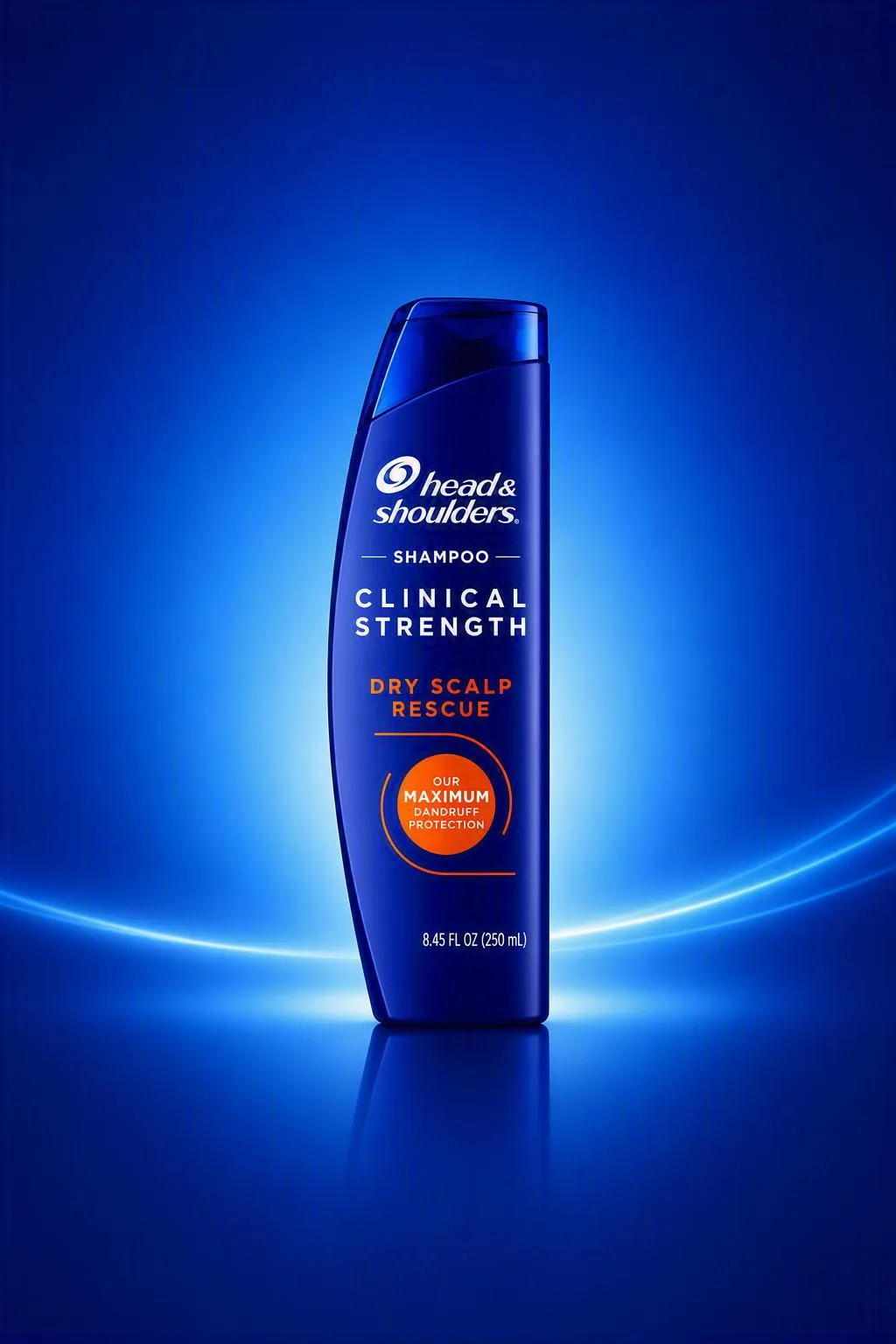
This is where choosing the right shampoo becomes important. Shampoos formulated with targeted ingredients can effectively remove excess oil and help keep the scalp fresh while ensuring that the scalp's natural moisture balance remains unharmed. Head & Shoulders Clinical Strength shampoos are formulated with 1% selenium sulfide, featuring a deep-cleansing formula that helps fight dandruff-causing Malassezia while being gentle enough for frequent usage. The superior formula works 4X stronger than regular anti-dandruff formulas while giving you dandruff-free hair from the first wash itself.
For best results, focus shampoo application on the scalp rather than just the hair lengths. Massage thoroughly to help lift away oil and buildup, then rinse completely to avoid residue remaining on the scalp.
Key Takeaways
• Oily scalps benefit from shampoos that address dandruff and excess oil together.
• Cleansing the scalp properly is just as important as choosing the right product.
• Consistent use can help maintain a cleaner scalp environment.
Oily Scalp Dandruff Treatment: What Else Can Help?
Shampoo is only one part of the equation. Daily habits can also influence how oily your scalp feels and how often dandruff returns.
Some simple practices that can help include:
• Wash your hair regularly to prevent excess oil buildup.
• Rinse thoroughly to remove shampoo residue and impurities.
• Avoid applying heavy styling products directly to the scalp.
• Cleanse your scalp after excessive sweating whenever possible.
These habits won't eliminate oil production, but they can help prevent the buildup that contributes to greasy hair and recurring dandruff.
Key Takeaways
• Daily habits can influence how oily your scalp becomes.
• Product buildups can make oily dandruff more difficult to manage.
• Consistent cleansing can help keep excess oil under control.
• Long-term management focuses on maintaining scalp balance.
What is the Best Everyday Routine to Manage an Oily Scalp and Greasy Hair?
Many people with oily scalps make the mistake of constantly switching products or relying on aggressive cleansing routines. In reality, a simple and consistent approach is often more effective.
A routine built around the following habits can help maintain a healthier scalp balance over time:
• Wash your hair regularly to help prevent excess oil buildup.
• Focus cleansing on the scalp rather than just the hair lengths.
• Use products designed for oily scalp concerns and dandruff control.
• Rinse thoroughly to remove product residue.
• Pay attention to factors such as stress, which may influence sebum production for some people.
The goal is not to strip the scalp of all oil but to keep excess oil from accumulating to the point where it contributes to recurring dandruff and scalp discomfort.
Key Takeaways
• Consistency is often more effective than frequently changing products.
• A balanced routine can help manage excess oil over time.
• Stress and lifestyle factors may affect scalp oil production.
• Managing oil is about balance, not complete removal.
Final Thoughts
An oily scalp and dandruff often go hand in hand because excess oil can contribute to the buildup and scalp conditions that make dandruff harder to control. While the problem may seem frustrating, understanding what's happening on your scalp can make it easier to choose the right care routine.
Head & Shoulders offers anti-dandruff solutions designed for oily scalp concerns, helping address excess oil and dandruff together. Combined with a consistent scalp-care routine, the right shampoo can help keep your scalp feeling cleaner, fresher, and more comfortable over time.
FAQs
1. Can dandruff shampoos help control excess scalp oil?
Yes. Anti-dandruff shampoos designed for oily scalp concerns can help remove excess oil and buildup while supporting dandruff control. Consistent use as part of a regular scalp-care routine can help maintain a cleaner, fresher-feeling scalp.
2. What's the best shampoo for an oily scalp with dandruff that actually reduces oil without drying my hair?
Head & Shoulders Lemon Fresh Anti-Dandruff Shampoo is designed for oily scalp concerns. Its formula helps remove excess oil and buildup while fighting dandruff, making it a suitable option for people looking to manage oily scalp concerns without leaving the scalp feeling stripped.
3. Can oily hair make dandruff worse?
Excess oil can contribute to scalp buildup and make dandruff more noticeable or persistent, particularly when oil mixes with dead skin cells and impurities on the scalp.
4. How often should I wash an oily scalp with dandruff?
The ideal frequency varies from person to person, but regular cleansing is generally recommended to help prevent excess oil and buildup from accumulating on the scalp.
5. Why does my scalp become oily so quickly after washing?
Oil production can be influenced by factors such as genetics, weather, stress, and lifestyle habits. Some people naturally produce more sebum than others, causing their scalp to become oily more quickly.