
Seborrheic Dermatitis on Scalp: Causes, Symptoms and Treatments
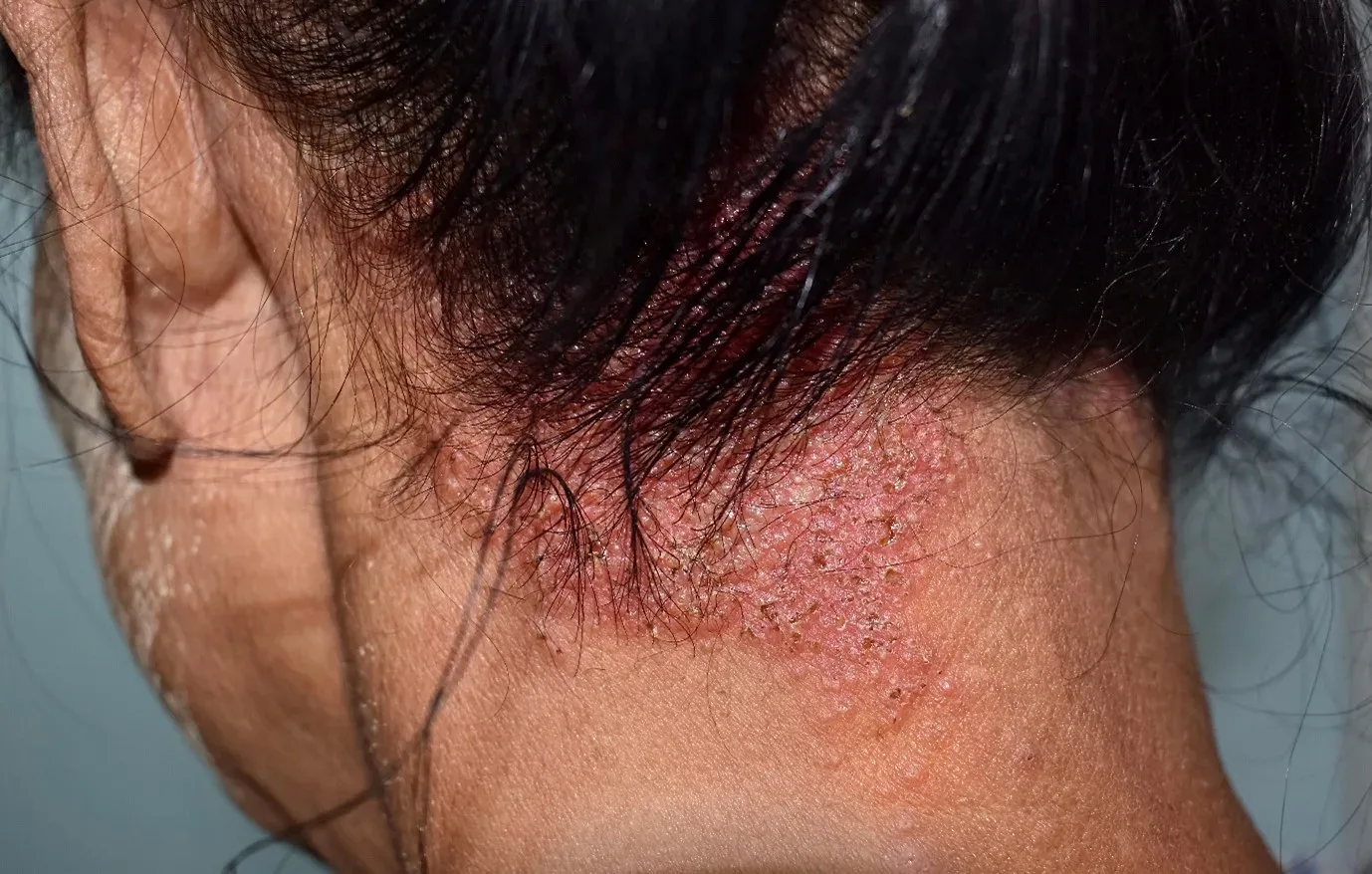
Seborrheic dermatitis may not be a term you hear every day, but it's a common scalp condition that many people experience. In infants, it often appears as cradle cap, while in adults it can develop on the scalp and other oil-prone areas of the skin. Because it can cause flaking, it is sometimes mistaken for dandruff.
Often confused with dandruff, it can cause flaking, redness, and itchiness on the scalp. The good news is that understanding what's behind these symptoms can make it easier to find the right treatment and keep flare-ups under control.
What is Seborrheic Dermatitis?
Seborrheic dermatitis is a chronic inflammatory skin condition that commonly affects areas rich in oil-producing glands, including the scalp, eyebrows, sides of the nose, ears, chest, and beard area.
On the scalp, it can lead to persistent flaking, itching, and visible irritation. Symptoms often come and go, with periods of improvement followed by occasional flare-ups. Although dandruff is often considered the mildest form of seborrheic dermatitis, seborrheic dermatitis itself tends to involve more noticeable inflammation and discomfort.
Key Takeaways
● Seborrheic dermatitis is a chronic inflammatory skin condition that commonly affects the scalp and other oil-rich areas of the body.
● It often causes persistent flaking, itching, redness, and visible scalp irritation.
● Symptoms tend to come and go, with flare-ups occurring periodically over time.
What Causes Seborrheic Dermatitis?
The underlying causes of seborrheic dermatitis are similar to those associated with dandruff: excess scalp oil and an overgrowth of naturally occurring microorganisms on the scalp. Your scalp contains sebaceous glands that produce sebum, a natural oil that helps protect and moisturise the skin. However, when excess oil accumulates, it can create an environment where Malassezia yeast thrives.
This yeast naturally exists on the scalp and typically causes no problems. In some individuals, however, its presence can trigger an inflammatory response. This may accelerate skin cell turnover, causing flakes, irritation, and visible scalp scaling.
Several factors may contribute to or worsen seborrheic dermatitis flare-ups, including:
● Stress
● Environmental pollution
● Sudden weather or temperature changes
● Hormonal fluctuations
● Certain medications
● A weakened immune system
● Genetic predisposition
While regular shampooing can help remove excess oil and flakes, effective management often requires products specifically formulated to target the underlying causes of scalp flaking.
Key Takeaways
● Excess scalp oil can create an environment where Malassezia yeast thrives and triggers inflammation.
● Inflammation may speed up skin cell turnover, leading to flakes, scaling, and irritation.
● Factors such as stress, weather changes, pollution, hormones, and genetics can contribute to flare-ups.
Symptoms of Seborrheic Dermatitis
This skin condition is often mistaken for psoriasis, hair dandruff, eczema, or even allergic reactions. The characteristics of these ailments often overlap and thus, the confusion. Seborrheic dermatitis is symbolised by:
● Redness of varying colours that can take the shape of small spots.
● Persistent itching which can turn severe.
● Scaly patches of skin, often near the hair line.
● Oiliness which is usually on or around the scaly skin.
● Flaking of dead skin cells.
Although it has similarities to dandruff, the difference is that seborrheic dermatitis generally lasts longer. It can flare up at any moment and is aggravated by a host of reasons. It is also not restricted to the scalp. Seborrheic dermatitis can break out on your face, nose, eyebrows, ears, chest, groin, navel, etc. Basically, wherever you have sebaceous glands, this condition can dig its claws in.
Key Takeaways
● Common signs include flaking, itching, redness, and scaly patches on the scalp.
● Symptoms can be more persistent and inflammatory than typical dandruff.
● The condition may also affect areas beyond the scalp, including the face, ears, chest, and beard area.
Treatment For Seborrheic Dermatitis
Because seborrheic dermatitis and dandruff share similar underlying causes, managing scalp flaking often starts with using an anti-dandruff shampoo formulated with an effective active ingredient.
Selenium Sulfide is a dermatologist recommended ingredient for stubborn dandruff because it targets Malassezia, the main cause of dandruff, helping stop flakes and itch at the source. For persistent dandruff concerns, you can try Head & Shoulders Clinical Strength Cooling Itch Relief Shampoo, powered by 1% Selenium Sulfide. Recognised as a dermatologist's No.1 Choice, it is designed to break the cycle of stubborn dandruff and a formula that is 4X stronger than regular anti dandruff shampoos. It helps deposit 1.5X more Selenium Sulfide on the scalp, allowing it to start working up to 2X faster against the main cause of dandruff and helping fight the root cause faster than ketoconazole. It also helps maintain the scalp barrier, making it gentle enough for regular use while providing long lasting protection against recurring dandruff.
Piroctone Olamine is another anti-dandruff ingredient that helps target the microorganisms associated with dandruff while maintaining scalp comfort. It is often considered a gentle option for routine dandruff management and scalp maintenance.
For everyday dandruff control and a refreshed scalp feel, Head & Shoulders Deep Cleanse Shampoo, formulated with Piroctone Olamine, helps cleanse away buildup while supporting a healthy scalp environment.
If symptoms persist despite regular use of anti-dandruff products, spread beyond the scalp, interfere with sleep, or are accompanied by significant redness and inflammation, it is important to consult a dermatologist. A healthcare professional can confirm whether the condition is seborrheic dermatitis or another scalp disorder and recommend the most appropriate treatment plan.
Key Takeaways
● Regular use of an anti-dandruff shampoo can help manage scalp flaking and discomfort.
● Selenium Sulfide and Piroctone Olamine are effective ingredients that help address the causes of dandruff-related symptoms.
● Seek medical advice if symptoms are severe, spread beyond the scalp, or do not improve with routine care.
Conclusion
Seborrheic dermatitis and dandruff share many of the same underlying triggers, which is why they can look so similar. However, seborrheic dermatitis often involves additional inflammation and may affect areas beyond the scalp. While flare-ups can be recurring, consistent scalp care and the use of appropriate anti-dandruff treatments can help keep symptoms under control. If symptoms persist or become severe, consulting a dermatologist can help ensure the right diagnosis and treatment approach.
FAQs
1. Is seborrheic dermatitis contagious?
No. Seborrheic dermatitis is not contagious and cannot be spread through physical contact, sharing personal items, or close interaction with others.
2. Can seborrheic dermatitis cause hair loss?
Seborrheic dermatitis does not directly cause permanent hair loss. However, persistent inflammation, intense scratching, and severe scalp irritation may contribute to temporary hair shedding in some individuals.
3. Does seborrheic dermatitis damage hair follicles?
Seborrheic dermatitis does not typically damage hair follicles permanently. However, severe inflammation and excessive scratching may contribute to temporary hair shedding.
4. Can seborrheic dermatitis be cured permanently?
Seborrheic dermatitis is considered a chronic condition with periods of improvement and recurrence. Although there is no permanent cure, consistent scalp care can help keep symptoms under control.
5. What ingredients should I look for in a shampoo for seborrheic dermatitis?
Anti-dandruff ingredients such as Selenium Sulfide and Piroctone Olamine are commonly used to help target the factors associated with scalp flaking and support long-term scalp health.