Everything You Need to Know About Dandruff: Types, Causes & Proven Treatments
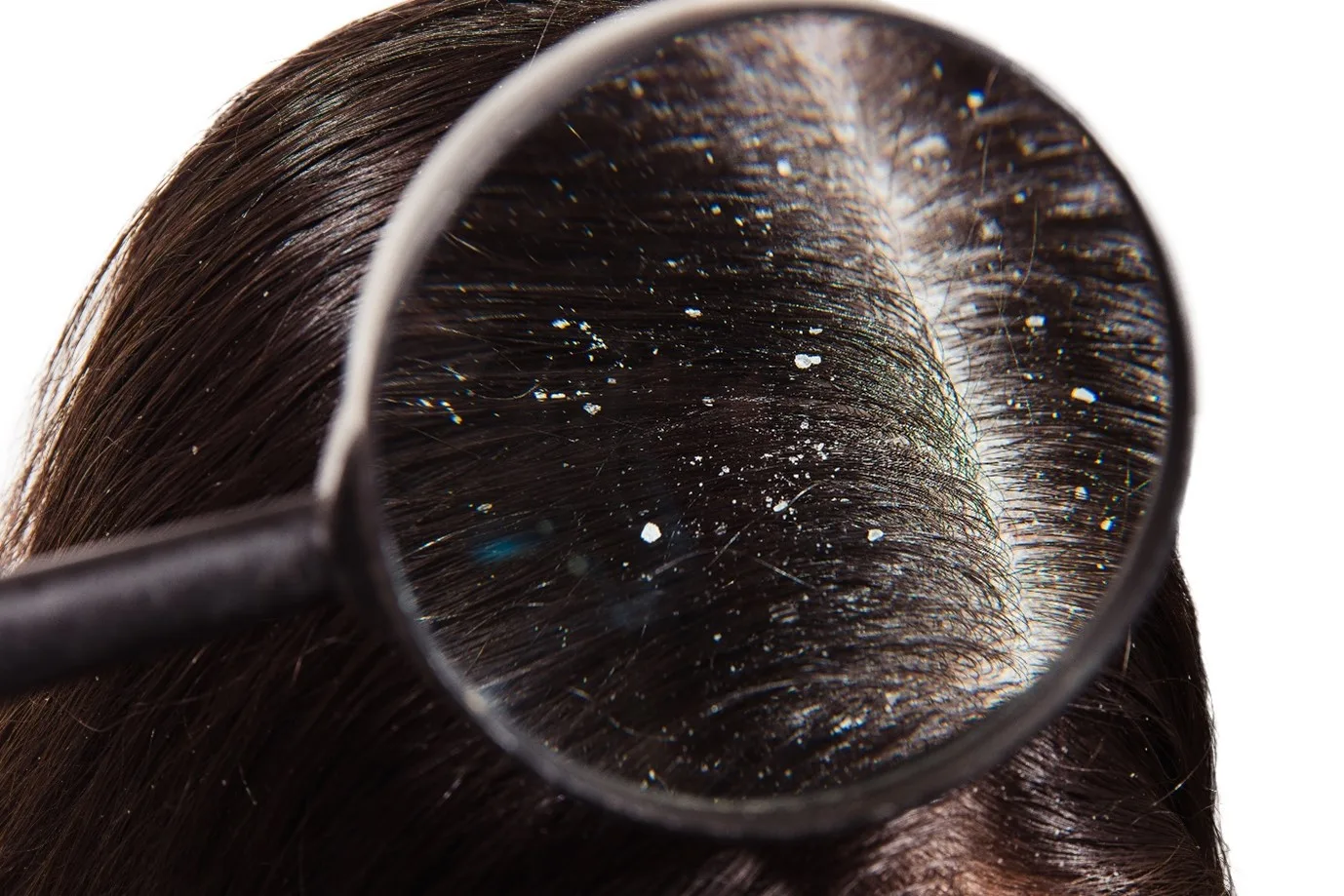
Around 50% of adults globally and up to 70% in India experience dandruff at some point. Two myths to clear up immediately: dandruff is not contagious, and it is certainly not caused by poor hygiene. Understanding what actually triggers it is the fastest route to lasting relief.
Table of Contents
Hair Dandruff Types — Know What You Are Dealing With
What Is Dandruff?
Dandruff is clinically a mild form of seborrhoeic dermatitis. It is driven by an oily scalp and a naturally occurring fungus called Malassezia globosa — not dryness, as many assume. When excess sebum builds up (triggered by stress, hormones, or weather changes), Malassezia breaks it down into oleic acid. Around 50% of people are sensitive to this acid; their immune system responds by accelerating skin cell turnover, producing the white or yellowish flakes and the itching associated with dandruff.
Key Takeaways
-
Dandruff is linked to an oily scalp and Malassezia globosa, not poor hygiene.
-
Excess oil and scalp sensitivity cause flakes and itching.
Hair Dandruff Types — Know What You Are Dealing With
Not all dandruff is the same, and if you are wondering why you have dandruff all of a sudden, identifying the type is the first step. Each of the five hair dandruff types has a distinct cause and needs a different fix:
| Type | Appearance | Key Cause | Common in India |
|---|---|---|---|
| Dry Scalp | Small white powdery flakes | Low moisture, over-shampooing | Winter, AC offices |
| Oily Dandruff | Yellowish greasy clumps | Excess sebum + Malassezia | Monsoon, heavy oiling |
| Fungal Dandruff | Large white flakes, intense itch | Malassezia yeast overgrowth | Humid, sweat-prone scalps |
| Seborrhoeic Dermatitis | Thick yellow-white scales, redness | Chronic inflammation + fungus | Stress-triggered, chronic |
| Product Build-up | Waxy, clumpy residue at roots | Excess oils, silicone products | Heavy oiling habits |
Key Takeaways
- Dandruff can be dry, oily, fungal, product build-up, or seborrhoeic dermatitis.
- Each type has different causes and treatment needs.
What Causes Dandruff?
Malassezia globosa:
The primary driver converts scalp sebum into oleic acid, triggering flaking.Excess sebum:
Androgens and DHT stimulate oil glands; high-glycaemic diets and dairy worsen oily dandruff.Skin conditions:
Psoriasis, eczema, and seborrhoeic dermatitis can mimic or amplify dandruff.Stress:
Cortisol spikes sebum production. Around 72% of seborrhoeic dermatitis sufferers cite stress as a trigger. Persistent itching and inflammation from untreated dandruff also weakens hair follicles, meaning dandruff causes hair fall indirectly, leading to heavy hair fall due to dandruff if ignored.Climate and environment:
Monsoon humidity accelerates Malassezia growth; hard water in Indian metros deposits minerals that strip scalp moisture; helmets and pollution trap sweat.Diet:
Low zinc, B-vitamins, or omega-3s can increase scalp inflammation.Risk factors:
More common in males; peaks in young adulthood; higher risk with Parkinson's disease or immunocompromised conditions.Key Takeaways
- Excess oil and Malassezia are the main triggers.
- Stress, diet, climate, and skin conditions can worsen dandruff.
How to Treat Dandruff
Anti-Dandruff Shampoo (Recommended First Step)
Whether you need to know how to remove dry dandruff, how to get rid of oily dandruff, or how to get rid of sticky dandruff, a clinically formulated shampoo is the most effective starting point. Look for Piroctone Olamine (PO) — a randomised controlled trial showed 0.75% PO shampoo achieved 80% dandruff reduction after six weeks. PO targets Malassezia via iron chelation and helps restore a healthy scalp microbiome. Leave the shampoo on for three to five minutes before rinsing; use at least three times a week. Head & Shoulders Cool Menthol Anti-Dandruff Shampoo, Deep Cleanse Shampoo, and 7-in-1 Anti-Dandruff Shampoo are powered by proven active ingredients that protect the scalp while eliminating dandruff-causing germs.
Key Takeaways
- Anti-dandruff shampoos are the most effective first step.
- Healthy scalp habits and supportive remedies can help prevent flare-ups.
Home Remedies (Supportive Use)
These can complement your shampoo routine but are unlikely to resolve dandruff on their own:
- Tea tree oil — antifungal (terpinen-4-ol); always dilute before applying.
- Coconut oil — lauric acid offers mild antifungal benefits; best for dry scalp dandruff only.
- Aloe vera gel — anti-inflammatory; soothes itching and reduces oleic acid irritation.
- Apple cider vinegar rinse — balances scalp pH; helpful for sticky or product build-up dandruff.
Key Takeaways
- Home remedies may soothe symptoms but work best alongside anti-dandruff shampoo.
- Tea tree oil, aloe vera, coconut oil, and apple cider vinegar can support scalp care.
How to Prevent Dandruff in Hair
- Cleanse regularly with an anti-dandruff shampoo to keep sebum levels in check.
- Manage stress — cortisol directly impacts sebum production.
- Eat a diet rich in zinc, omega-3s, and B-vitamins; limit high-glycaemic foods.
- Avoid heavy oiling on the scalp, especially during humid months.
- Choose scalp-appropriate products; avoid silicone-heavy formulas if prone to build-up.
See a dermatologist if there is no improvement after four weeks, if you develop red or crusty patches, or if you experience significant hair loss alongside dandruff.
Key Takeaways
- Regular cleansing and stress management help control dandruff.
- A balanced diet and scalp-friendly products can reduce flare-ups.
Dandruff may be common, but understanding its type, triggers, and treatments can make managing it far easier. From excess oil and fungal overgrowth to stress and climate, tackling the root cause with the right scalp care routine is key to long-term relief. With clinically proven anti-dandruff solutions and healthy scalp habits, you can reduce flakes, soothe irritation, and support a healthier scalp environment.
Frequently Asked Questions
What are the different types of dandruff?
There are five hair dandruff types: dry scalp dandruff, oily dandruff, fungal dandruff, seborrhoeic dermatitis, and product build-up dandruff. Each has a distinct cause and treatment approach. See the table above.
How to remove dandruff quickly?
Use an anti-dandruff shampoo with Piroctone Olamine. Clinical trials show itch relief within 24–48 hours and significant flake reduction in one to two weeks. Leave the shampoo on your scalp for three to five minutes before rinsing.
What ingredients should I look for in an anti-dandruff shampoo?
Piroctone Olamine targets Malassezia at the root while protecting the scalp barrier. Other proven actives include salicylic acid (exfoliates flakes), ketoconazole (antifungal), and selenium sulphide (slows cell turnover).
Can hard water cause dandruff?
Yes. Hard water, prevalent in many Indian cities, leaves mineral deposits on the scalp, causing dryness and irritation that can trigger or worsen dandruff. A clarifying shampoo used weekly or a shower filter can help.
What is the fungus that causes dandruff?
Malassezia globosa, a yeast present on virtually everyone's scalp. It feeds on sebum, releasing oleic acid. Around 50% of people are sensitive to this acid, triggering the immune response that causes flaking and itching.