
Common Reasons Your Dandruff Treatment Isn't Working
Few things are more frustrating than sticking to a dandruff routine and seeing little to no improvement. You may be using an anti-dandruff shampoo regularly, trying different remedies or making changes to your hair care routine, yet the flakes, itching or scalp discomfort continue to return. In many cases, the issue isn't that dandruff treatments don't work. It's that the treatment isn't matched to the scalp concern you're trying to address.
Are You Treating the Right Scalp Concern?
One of the most common reasons dandruff treatments fail is that not every flaky scalp is actually dandruff.
Different scalp concerns can often look similar at first, making it easy to choose a treatment that isn't addressing the real problem.
• You're dealing with scalp dryness rather than dandruff: Dryness can cause small flakes and tightness, but it doesn't always require the same approach as dandruff.
• You have oily scalp dandruff: Excess oil can mix with dead skin cells and buildup, creating larger, stickier flakes that require targeted anti-dandruff care.
• There may be another scalp concern involved: Persistent irritation, redness or recurring discomfort may indicate a condition that needs professional assessment.
Before changing products, it helps to understand what's actually causing your symptoms. The closer the treatment matches the concern, the better the chances of seeing improvement.
Key Takeaways
• Not all scalp flakes are caused by dandruff.
• Dryness, buildup, and dandruff can appear similar.
• Different scalp concerns often require different solutions.
• Identifying the root cause can help improve treatment outcomes.
Dandruff vs Dryness: What is Causing Your Itchy Scalp?
An itchy scalp doesn't always point to the same problem. While both dandruff and dryness can trigger itching, the reasons behind that itch are often different.
When itching is associated with dandruff, anti-dandruff shampoos can help address dandruff-related scalp concerns while supporting scalp health. Dryness-related itching, on the other hand, may require a routine focused on maintaining scalp moisture and avoiding practices that leave the scalp feeling stripped.
This is why treating an itchy scalp based on symptoms alone doesn't always deliver results. Looking at what's happening alongside the itch, such as flakes, oiliness or buildup, can help you choose a more suitable treatment approach.
Key Takeaways
• Dandruff-related itching and dryness-related itching may require different approaches.
• Itching alone doesn't always indicate dandruff.
• Additional symptoms can help identify the underlying concern.
• Choosing the right treatment starts with understanding the cause of the itch.
Dandruff Shampoo & Scalp Treatments: Are You Using the Right One?
Even when you're using an anti-dandruff shampoo, results can vary depending on whether the formula suits your scalp's needs.
Different anti-dandruff shampoos are designed for different concerns, which is why choosing a product based on your symptoms is often more effective than simply choosing the most popular option.
For example:
• If you have oily scalp dandruff: Head & Shoulders Lemon Fresh Anti-Dandruff Shampoo is designed for oily scalp concerns. It helps fight dandruff while cleansing away excess oil and buildup. Its lightweight cleansing formula and fresh lemon fragrance make it particularly suitable for people whose scalp feels greasy soon after washing.
• If you're dealing with hairfall alongside dandruff: Head & Shoulders Anti Hairfall Anti-Dandruff Shampoo combines anti-dandruff care with a formula designed to support stronger-looking hair.
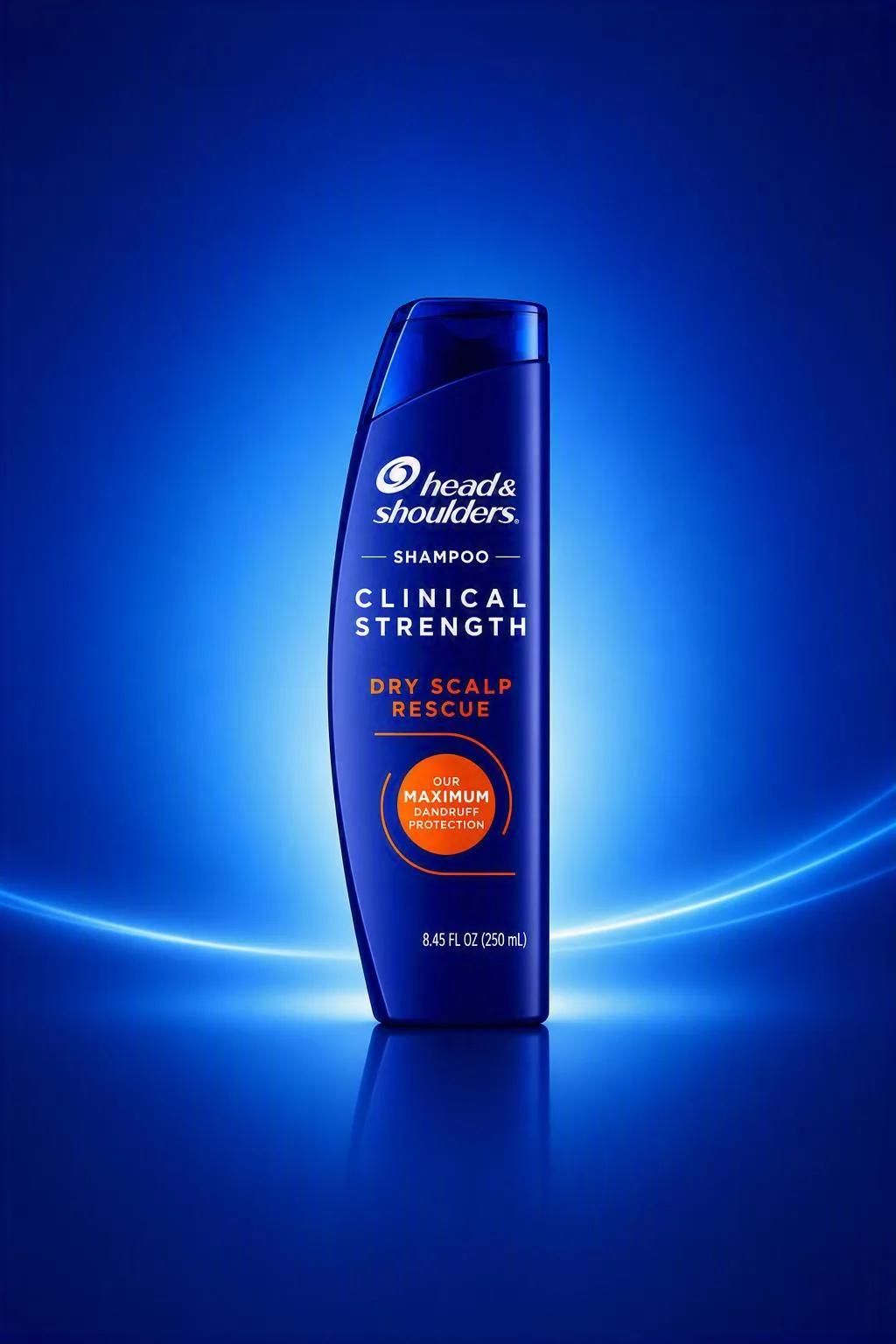
• If your dandruff keeps returning despite regular anti-dandruff care: You may need a more targeted approach. The Head & Shoulders Clinical Strength range contains 1% Selenium Sulfide, an ingredient designed to fight the main cause of dandruff. These formulas start working 2X faster to fight the main cause of dandruff, work 4X stronger than regular anti-dandruff shampoo and help break the cycle of stubborn dandruff while remaining gentle enough for every wash.
The goal is not to use a stronger shampoo by default. It is to choose one that matches your scalp concern and hair-care needs.
Key Takeaways
• Different anti-dandruff shampoos are designed for different concerns.
• Oily scalp dandruff may require products that address excess oil and buildup.
• Stubborn or severe dandruff may benefit from targeted formulas containing 1% Selenium Sulfide.
• Choosing products based on your symptoms can help improve results.
• The most effective routine is often one tailored to your scalp's specific needs.
Are You Following a Routine Consistently?
Sometimes the biggest issue is not the product at all but how it is being used.
Many people switch shampoos too quickly, stop treatment as soon as symptoms improve, or use products inconsistently. While it may be tempting to try multiple solutions, frequent changes can make it difficult to know what is actually working.
A consistent scalp-care routine gives anti-dandruff products the opportunity to do their job properly. Regular cleansing, following usage instructions and sticking with an appropriate routine can help support longer-term dandruff management.
It is also worth remembering that improvement does not always happen overnight. In many cases, building a routine and maintaining it is just as important as choosing the right product in the first place.
Key Takeaways
• Inconsistent use can limit the effectiveness of dandruff treatments.
• Frequently switching products may make results harder to evaluate.
• Building a routine is often more effective than constantly changing one.
• Long-term consistency can support better scalp health.
What Questions Should You Ask a Dermatologist About Dandruff Treatments?
If you have tried multiple treatments without success, it may be time to seek professional advice.
A dermatologist can help determine whether you are dealing with dandruff, dryness or another scalp condition altogether. When preparing for an appointment, consider asking:
• What is causing my flakes and itching?
• Is my scalp concern dandruff, dryness or something else?
• Are there signs of another scalp condition?
• Which anti-dandruff treatments are best suited to my scalp type?
• How long should I continue treatment before assessing results?
Many people looking for expert-backed options also explore dermatologist-approved shampoos. Head & Shoulders offers dermatologist-approved anti-dandruff shampoos designed to help address different scalp concerns while supporting scalp health.
Key Takeaways
• Persistent symptoms may require professional evaluation.
• A dermatologist can help identify the underlying cause of scalp concerns.
• Asking specific questions can help you make the most of a consultation.
• Dermatologist-approved anti-dandruff shampoos like Head & Shoulders can support a broader scalp-care routine.
Conclusion
If your dandruff treatment is not working, the issue may be more complex than simply finding a stronger shampoo. Misidentifying the problem, choosing a product that does not suit your scalp concerns or following an inconsistent routine can all affect results.
Taking time to understand your scalp, selecting the right treatment and sticking to a routine can often make a significant difference. When symptoms continue despite your best efforts, professional guidance can help point you in the right direction.
FAQS
1. How do I compare dandruff treatment options available in India?
Start by identifying your primary concern, whether that's dandruff, excess oil, dryness or itching. Choosing products that address your specific symptoms is often more effective than selecting treatments based on popularity alone.
2. What is the best oily scalp dandruff treatment?
For oily scalp dandruff, look for treatments that help manage excess oil and buildup alongside dandruff concerns. Products formulated for oily scalp conditions can help support a cleaner scalp environment.
3. How long should I try a dandruff treatment before switching?
It is usually best to use a product consistently and follow the recommended directions before deciding whether it is working for your scalp.
4. Can dandruff treatments make my scalp feel dry?
Some people may experience dryness depending on their scalp type and routine. Understanding whether you are dealing with dryness, dandruff or both can help you choose a more suitable treatment.
5. Why do my dandruff symptoms keep coming back?
Recurring symptoms can sometimes be linked to inconsistent routines, oily scalp concerns, product buildup, or treatments that do not address the underlying cause of the problem.