
Severe Dandruff vs Mild Dandruff: What's the Difference?
Dandruff can look and feel different from person to person. While mild dandruff may only show up as an occasional flake, severe dandruff can bring persistent itching, visible buildup and ongoing scalp discomfort.
Knowing the difference can help you understand your scalp better and choose a treatment suited to the frequency and severity of your symptoms. Mild dandruff may be manageable with a regular anti-dandruff routine, while severe or stubborn dandruff may require a more targeted ingredient such as Selenium Sulfide.
Severe Dandruff vs Mild Dandruff: How Do They Differ?
The biggest difference between mild and severe dandruff is the frequency and intensity of symptoms.
It’s also important to remember that dandruff does not always look the same. Depending on your scalp type, you may experience:
-
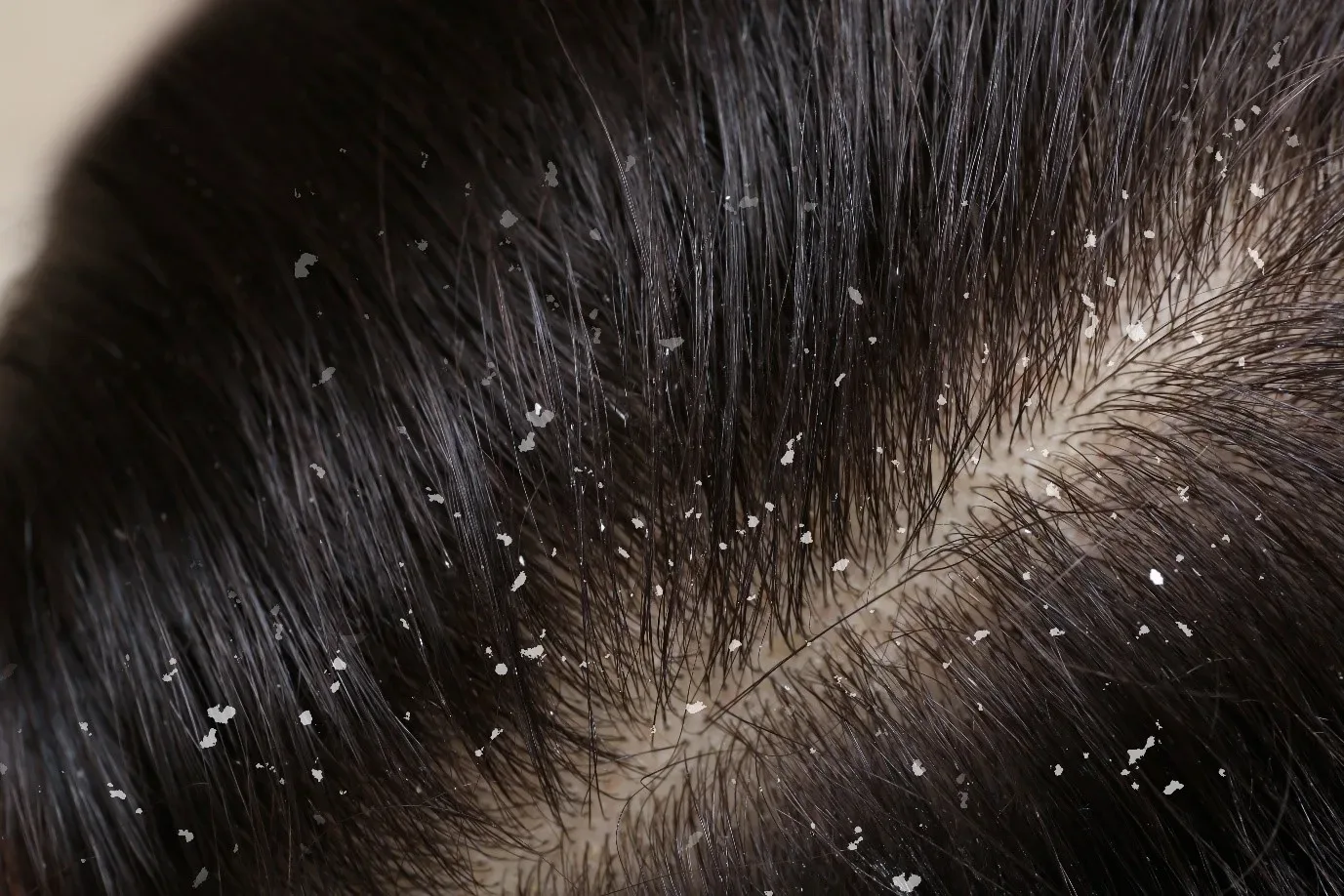
Flaky dandruff: Characterised by dry, loose white flakes that fall easily from the scalp and may be visible on clothing.
-
Itchy dandruff: Often accompanied by persistent scalp irritation and the urge to scratch, even when flakes are not highly visible.
-
Oily dandruff: Usually appears as larger flakes that stick to the scalp or hair, often alongside excess oil and buildup.
Understanding the type and severity of your dandruff can make it easier to identify a suitable treatment approach and scalp-care routine.
Key Takeaways
• Mild dandruff is usually occasional and easier to manage.
• Severe dandruff tends to involve more persistent flakes, itching and scalp discomfort.
• Dandruff may present as flaky, itchy or oily, depending on your scalp condition.
• Recognising the severity of your dandruff can help guide your treatment approach.
How to Treat Dandruff
Mild dandruff is often easier to manage when addressed early. Establishing a regular scalp-care routine can help keep occasional flakes from becoming a recurring problem. Severe dandruff, on the other hand, often requires a more targeted approach than occasional flakes. Frequent flaking, recurring itchiness and ongoing scalp discomfort may indicate that your scalp needs a formula developed specifically for stubborn dandruff.
Selenium Sulfide is an antifungal ingredient commonly used in shampoos formulated for stubborn or severe dandruff. It helps fight dandruff-causing microbes on the scalp and is particularly relevant when symptoms continue to return despite regular anti-dandruff care.
The Head & Shoulders Clinical Strength range contains 1% Selenium Sulfide. These formulas:
• Start working 2X faster to fight the main cause of dandruff
• Work 4X stronger than regular anti-dandruff shampoo
• Help break the cycle of stubborn dandruff
• Barrier-friendly and gentle enough to use for every wash
• Remove upto 100% of root cause of dandruff/ dandruff causing germs in four hours
• Thanks to the unique formulation of this range, this range offers 1.5X more deposition of 1% selenium sulfide
For stubborn dandruff accompanied by persistent itching, Head & Shoulders Clinical Strength Cooling Itch Relief for Severe Dandruff provides targeted care for flakes and ongoing itchiness.
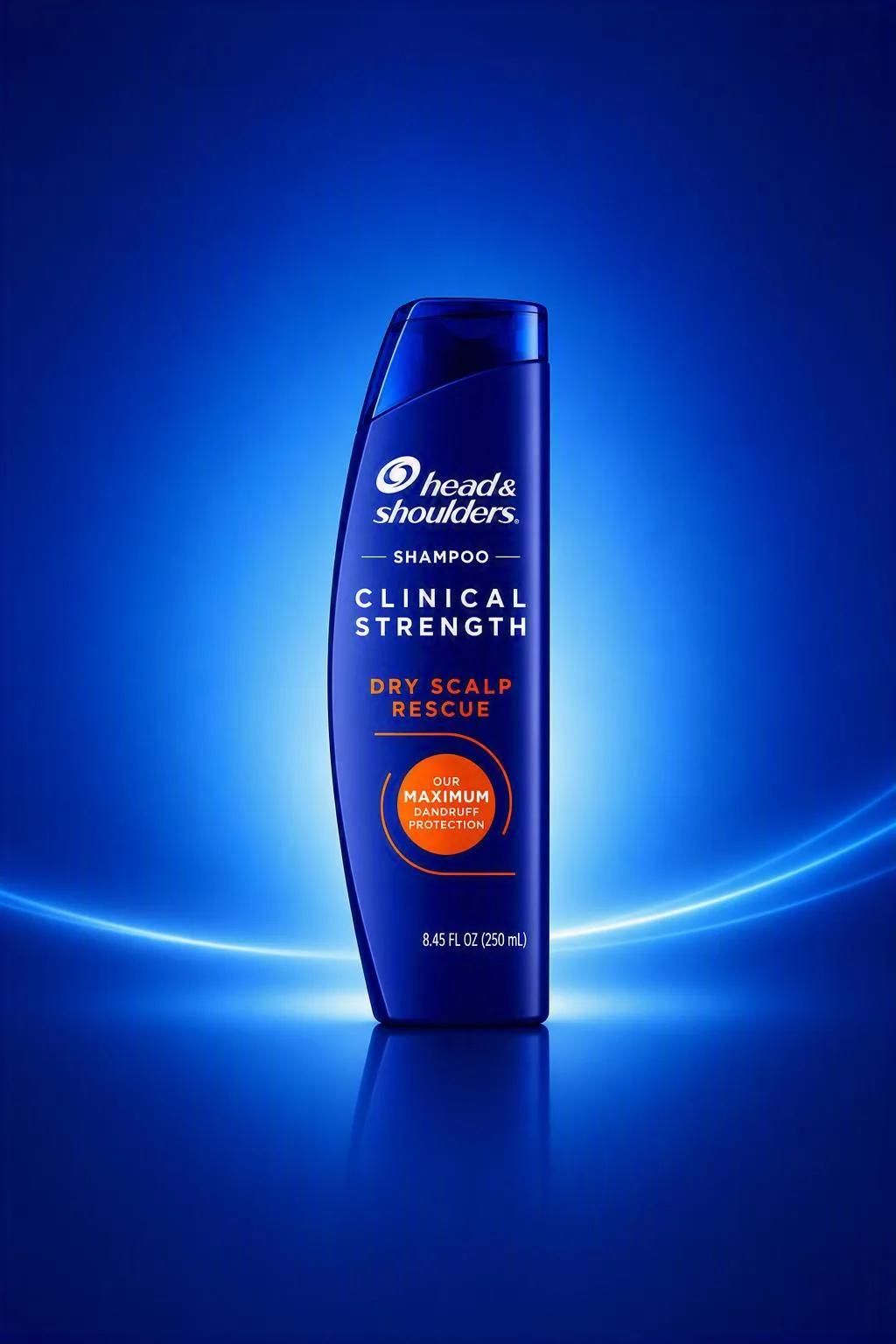
For stubborn dandruff accompanied by dryness, Head & Shoulders Clinical Strength Dry Scalp Rescue for Severe Dandruff is clinically proven to relieve stubborn dandruff and dryness.
The Head & Shoulders Clinical Strength Range boasts of an effective yet gentle formula which, while perfectly capable of tackling stubborn dandruff, can work effectively for mild to moderate dandruff as well. Owing to its barrier-friendly formula, it is suitable for frequent use and targets the root cause of dandruff.
Whichever shampoo you choose, regular use remains important. Follow the product directions and continue with an appropriate anti-dandruff routine even after visible flakes begin to improve.
Key Takeaways
• Severe dandruff often requires a more targeted treatment approach than mild dandruff.
• Selenium Sulfide is commonly used in shampoos formulated for stubborn or severe dandruff.
• The Head & Shoulders Clinical Strength range contains 1% Selenium Sulfide.
• Clinical Strength formulas start working 2X faster to fight the main cause of dandruff and work 4X stronger than regular anti-dandruff shampoo.
• Persistent itching, dryness, and other scalp concerns can help guide product selection.
When Does Mild Dandruff Become Severe?
Dandruff does not always remain the same over time. What starts as occasional flakes may become more noticeable if the underlying causes are not addressed or the scalp-care routine is not maintained consistently.
You may be moving from mild to severe dandruff if:
• Flakes become more frequent or visible.
• Itching begins to occur regularly.
• Symptoms return soon after washing your hair.
• Oiliness, dryness or scalp irritation becomes more noticeable.
• Your usual anti-dandruff shampoo no longer provides the same level of control.
• Scalp discomfort begins to affect your daily routine.
If these changes persist, consider moving from an everyday anti-dandruff formula to a treatment developed for stubborn dandruff. A Clinical Strength shampoo containing 1% Selenium Sulfide may provide more targeted action when regular anti-dandruff care is no longer enough.
Key Takeaways
• Mild dandruff can become more difficult to manage if symptoms continue to return.
• Persistent itching and recurring flakes are common signs of increased severity.
• Additional scalp concerns may indicate the need for a more targeted formula.
• Selenium Sulfide may be suitable when dandruff becomes stubborn or severe.
• Paying attention to changes in your symptoms can help you adjust your routine earlier.
When Should You Consider Seeing a Dermatologist?
While dandruff can often be managed with an appropriate scalp-care routine, some symptoms may require professional evaluation.
Consider consulting a dermatologist if:
• Dandruff persists despite regular use of an appropriate anti-dandruff shampoo.
• Scalp itching becomes severe or difficult to manage.
• You notice redness, tenderness, swelling or visible inflammation.
• Flakes become thick, greasy or widespread.
• Symptoms repeatedly return after treatment.
• Scalp discomfort begins to interfere with daily activities.
Some scalp conditions can resemble dandruff but require a different treatment approach. A dermatologist can help identify the underlying cause and determine whether your existing routine is suitable for your symptoms.
Head & Shoulders offers dermatologist-approved anti-dandruff shampoos for different scalp concerns. For stubborn or severe dandruff, the Head & Shoulders Clinical Strength range contains 1% Selenium Sulfide and is designed to help break the cycle of stubborn dandruff while remaining gentle enough for every wash.
Key Takeaways
• Persistent dandruff may benefit from professional evaluation.
• Severe itching, redness, swelling or scalp discomfort should not be ignored.
• Some scalp conditions can resemble dandruff.
• A dermatologist can help determine whether your treatment matches the underlying concern.
• Dermatologist-approved anti-dandruff shampoos can form part of an appropriate scalp-care routine.
Conclusion
The difference between mild and severe dandruff often comes down to how frequently symptoms return and how much discomfort they cause. Occasional flakes may respond to regular anti-dandruff care, while persistent itching, recurring flakes and ongoing scalp discomfort may call for a more targeted formula.
If symptoms continue despite consistent use of an appropriate anti-dandruff shampoo, consult a dermatologist for further evaluation.
FAQs
1. Which shampoo is best for severe dandruff and itchy scalp?
Head & Shoulders Clinical Strength Cooling Itch Relief for Severe Dandruff is formulated for stubborn dandruff accompanied by persistent itching. It contains 1% Selenium Sulfide, starts working 2X faster to fight the main cause of dandruff, works 4X stronger than regular anti-dandruff shampoo and helps break the cycle of stubborn dandruff.
2. Which treatments work best for severe dandruff and scalp irritation?
For severe or stubborn dandruff, look for a targeted ingredient such as Selenium Sulfide. The Head & Shoulders Clinical Strength range contains 1% Selenium Sulfide and includes formulas developed for persistent itching and scalp dryness. Regular use according to the product directions is important for ongoing dandruff management.
3. Is Head & Shoulders shampoo effective for severe dandruff and scalp irritation?
Yes. For stubborn or severe dandruff, the Head & Shoulders Clinical Strength range contains 1% Selenium Sulfide, starts working 2X faster to fight the main cause of dandruff and works 4X stronger than regular anti-dandruff shampoo. The formulas help break the cycle of stubborn dandruff while remaining gentle enough for every wash.
4. How do I treat severe dandruff that won’t go away?
Use an anti-dandruff shampoo formulated for stubborn dandruff and follow its usage directions consistently. Head & Shoulders Clinical Strength shampoos contain 1% Selenium Sulfide and are designed to fight the main cause of dandruff and break the cycle of stubborn flakes. If symptoms persist despite regular use, consult a dermatologist.
5. Are there dermatologist-approved shampoos for severe dandruff?
Yes. Head & Shoulders offers dermatologist-approved anti-dandruff shampoos for different scalp concerns. The Head & Shoulders Clinical Strength range contains 1% Selenium Sulfide and is formulated for stubborn or severe dandruff, with targeted options for persistent itching and dryness.