
Understanding Dandruff: Causes, Itchy Scalp Triggers & the Most Effective Anti-Dandruff Shampoos for Daily Use
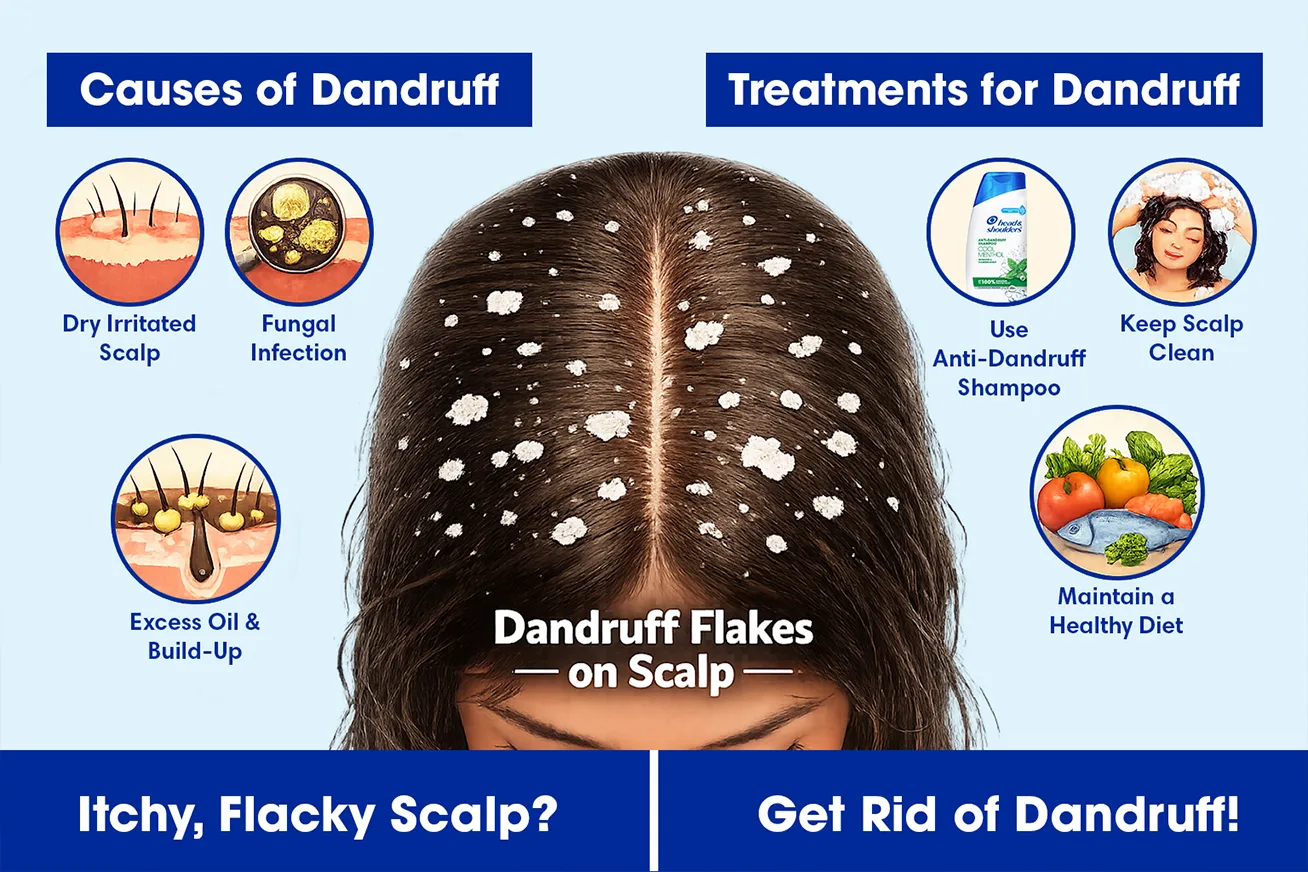
Dandruff is a widespread scalp condition affecting millions of people worldwide, with around half of the global population experiencing it at some point. It is commonly linked to flaking, itching, and, in some cases, excess oil or dryness, which can be both uncomfortable and embarrassing. Gaining insight into the science of dandruff, including its causes, symptoms and available treatments, can make it easier to manage. This article explores the main factors behind dandruff and how they combine to cause the condition.
What Causes Dandruff?
Dandruff is mainly linked to the overgrowth of a fungus called Malassezia. This fungus naturally exists on everyone’s scalp but may lead to issues when it multiplies excessively. A number of factors can increase the likelihood of developing dandruff:1. Sebum Production
Sebum is the natural oil produced by the scalp’s sebaceous glands. It helps keep the scalp hydrated and protected. However, when too much sebum is produced, it can create conditions that allow Malassezia to flourish. Increased oiliness may result in the following:-
Flakes: As the fungus feeds on sebum, it can irritate the scalp and accelerate skin cell turnover. When these cells accumulate on the scalp surface, they can cluster together and become visible flakes.
-
Itchiness: Irritation caused by fungal overgrowth can lead to discomfort and persistent itching.
2. Dryness
A dry scalp can also play a role in dandruff development. When moisture levels are low, the scalp may become itchy and flaky. Factors that can contribute to dryness include:-
Environmental Conditions: Cold temperatures and low humidity can reduce scalp moisture, leading to dryness and flaking.
-
An ineffective scalp moisture barrier: When dandruff-related irritation disrupts the scalp's condition, its ability to function as a protective barrier is reduced. This can increase moisture loss and leave the scalp more exposed to irritants such as pollution and bacteria.
3. Fungal Overgrowth
Malassezia is the main organism involved in dandruff. Although it is part of the normal scalp microbiome, certain conditions can encourage its overgrowth:-
Hormonal Changes: Shifts in hormone levels can raise oil production, supporting increased fungal activity.
-
Stress: Elevated stress may influence hormone balance and immune function, increasing susceptibility to dandruff.
-
Washing Habits: Longer gaps between washes or alternating with non anti-dandruff shampoos can allow Malassezia more time to multiply on the scalp.
Vulnerability to Dandruff
Certain factors can make some individuals more prone to dandruff:-
Genetics: Some people may be genetically predisposed to dandruff or seborrheic dermatitis, with a stronger reaction to irritants produced by Malassezia activity.
-
Skin Conditions: Those with conditions such as psoriasis or eczema may experience dandruff more easily due to an already weakened scalp barrier.
Symptoms of Dandruff
Dandruff symptoms can differ between individuals, but commonly include:-
Flakes: Noticeable white or yellowish flakes on the scalp and clothing.
-
Itchiness: Ongoing itching of the scalp.
-
Oily Scalp: A greasy appearance caused by excess sebum.
-
Dryness: A tight, dry sensation on the scalp, often accompanied by flaking.
Treatment Options
Managing dandruff usually involves lifestyle adjustments alongside the use of targeted products. Effective approaches include:1. Regular Shampooing
Washing the hair regularly with an anti-dandruff shampoo can help remove excess oil and visible flakes. Choose products that are specifically formulated for dandruff and contain active ingredients such as piroctone olamine. A popular option you can try is Head & Shoulders Deep Cleanse Dandruff Shampoo, which is formulated with piroctone olamine and designed to help manage dandruff, scalp itch and oiliness with consistent use.2. Moisturising the Scalp In Between Washes
When dryness or itching is a contributing factor, scalp moisturising serums can be beneficial, particularly those that also contain anti-dandruff active ingredients.Tips for Treating and Controlling Dandruff
To keep dandruff under control, consider the following:-
Regular Use of Head & Shoulders Anti-Dandruff Products: Include Head & Shoulders anti-dandruff shampoos in your routine. These products contain ingredients such as Piroctone Olamine, which targets the fungus linked to dandruff. Ongoing use may help reduce flaking and calm irritation.
-
Establish a Washing Routine: Aim to wash your hair regularly, ideally every few days, to keep the scalp clean and limit excess oil. This can help prevent the build-up of sebum and reduce fungal growth.
-
Stay Hydrated and Maintain a Balanced Diet: Ensure adequate water intake and follow a balanced diet that provides essential vitamins and minerals.
Conclusion
Dandruff develops due to a mix of factors, including excess oil, dryness, and fungal growth on the scalp. Knowing how these factors affect the scalp makes it easier to choose the right care and treatment. When both the root causes and visible signs, such as flakes, itching, oiliness and dryness, are dealt with, dandruff becomes easier to manage, and the scalp can stay healthier. Key Takeaways-
Dandruff is mainly linked to the overgrowth of Malassezia fungus, influenced by both oiliness and dryness.
-
Common symptoms include flaking, itching, and an oily or dry scalp.
-
Effective management includes regular shampooing, scalp moisturising, a balanced diet, and seeking professional advice if symptoms persist. Taking proactive steps can help manage dandruff and support a comfortable, healthy scalp.