
7 Science-Backed Ways to Reduce Dandruff Effectively
Humidity, pollution, hard water, sweaty commutes and monsoon rains are some of the challenges you deal with if you live in India. If you’ve ever wondered, ‘Why do I have dandruff all of a sudden?’ or if you happen to be searching for how to remove dandruff quickly, you’re not alone. In fact, 1 in 2 people globally experience dandruff. The good news? Science-backed scalp care can help control flakes at the source.
Table of Contents
Why Is Dandruff So Common in India?
How to Identify Your Dandruff Type
7 Proven Ways to Reduce Dandruff Fast in India
Common Mistakes Indians Make with Dandruff
Monsoon, Winter & Seasonal Dandruff Guide
Why Is Dandruff So Common in India?
India’s climate creates ideal conditions for the fungus that causes dandruff — Malassezia. Warm, humid weather can increase sweat and oil production, allowing the yeast to thrive.
Urban pollution and hard water may also affect the scalp microbiome, weakening the skin barrier. Shampoos like the Deep Clean Shampoo are formulated with oxygenated charcoal to help reduce dandruff. Add stress, heavy oiling habits, helmets, hormonal shifts, spicy diets, and dandruff can become more persistent.
Key Takeaway
- Warm weather encourages fungal growth
- Pollution and hard water can disrupt scalp balance
- Lifestyle habits may trigger flare-ups
How to Identify Your Dandruff Type
-
Oily/Sticky dandruff:
Yellow, sticky flakes common in humid cities. If you’re asking how to remove sticky dandruff from the scalp or how to get rid of sticky dandruff, start with scalp-targeted cleansing. -
Dry dandruff:
Small, powdery flakes seen during winter or prolonged AC exposure. People searching for how to remove dry dandruff often fall into this category. -
Fungal dandruff:
Persistent itching and recurring flakes, especially during the monsoon or on sweat-prone scalps.
Key Takeaway
- Oily dandruff = greasy, yellowish flakes
- Dry dandruff = fine white flakes
- Fungal dandruff = recurring itch and stubborn shedding
7 Proven Ways to Reduce Dandruff Fast in India
1. Use a Clinically Proven Anti-Dandruff Shampoo with PO
Piroctone Olamine (PO) targets Malassezia, addressing dandruff’s root cause rather than simply washing away flakes. Use an anti-dandruff shampoo 2–3 times weekly, massage it into the scalp, and leave it for 3–5 minutes before rinsing.
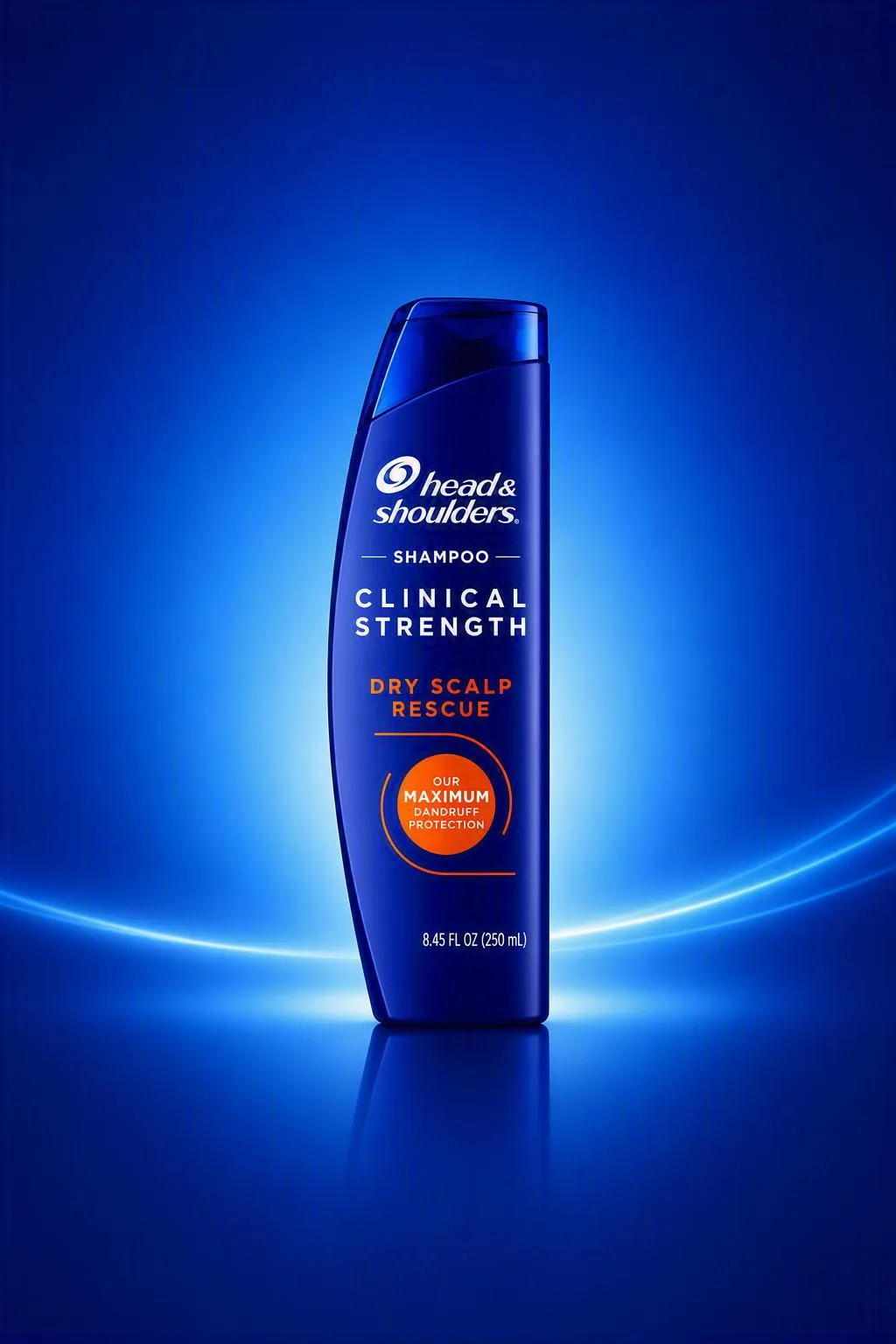
If you’re asking, ‘What ingredients in dandruff shampoos help with flaking, and how often should I wash my scalp? — PO is a proven ingredient worth looking for. Head & Shoulders variants such as Cool Menthol, Deep Cleanse and 7-in-1 use scalp-focused science to help manage flakes.
2. Build an Climate-Friendly Scalp Routine
Pre-wash brushing, lukewarm water and gentle scalp massage can help remove build-up without irritating the skin. During the monsoon, be sure to wash more frequently and avoid heavy oiling.
Wondering how to prevent dandruff in hair? Keep routines practical: quick morning cleansing for sweaty scalps, deeper evening care when needed.
3. Complement with Proven Home Remedies
Tea tree oil has antifungal properties, neem supports scalp hygiene, and coconut oil may moisturise dry scalps. These are useful remedies to remove dandruff — but they should support, not replace, anti-dandruff shampoos.
For those exploring how to cure dandruff naturally, consider balancing natural ingredients with science-based care. The Neem Anti-Dandruff Shampoo from Head & Shoulders bridges herbal familiarity with clinical cleansing.
4. Tackle Itchy Scalp the Right Way
The itch-scratch-inflammation cycle can worsen dandruff. Diluted Apple Cider Vinegar (ACV) rinses, applying aloe vera gel and resisting scratching may help calm discomfort.
5. Feed Your Scalp from Within
Zinc-rich foods such as chickpeas and pumpkin seeds, omega-3 sources like fish and flaxseeds, and probiotic foods such as curd and fermented rice support scalp health. Hydration matters too.
Indian staples, including dal, amla and methi, can be helpful additions if you’re exploring how to remove dandruff completely through lifestyle support.
6. Manage Stress, Sleep and Lifestyle Triggers
Stress can influence hormones, increase sebum production and encourage Malassezia overgrowth. Good sleep, exercise and helmet hygiene matter, especially for Indian commuters.
Searching for how to get rid of dandruff in men? Frequent helmet use, regular workouts, or an oily scalp may require consistent cleansing and a dedicated scalp care routine.
7. Know When to See a Dermatologist
If symptoms continue after 4–6 weeks, or you notice redness, patches or severe hair fall, consult a dermatologist. Conditions such as seborrhoeic dermatitis or psoriasis may resemble dandruff.
Head & Shoulders can be a practical first line of defence before escalation to specialist care.
Key Takeaway
- Use clinically proven ingredients
- Build a climate-friendly routine
- Support scalp health inside and out
Common Mistakes Indians Make with Dandruff
-
Over-oiling an already oily scalp:
Heavy oiling can worsen dandruff in some people by creating a scalp environment where Malassezia thrives, especially in humid Indian weather. -
Switching shampoos too often:
Constantly changing products may prevent active ingredients from working effectively, as most anti-dandruff shampoos need consistent use over several weeks. -
Relying only on DIY remedies:
Natural remedies may help support scalp health, but using them without addressing the fungal trigger behind dandruff may limit results. -
Washing hair too little or too much:
Infrequent washing can lead to oil, sweat, and product build-up, while excessive washing may irritate the scalp and worsen dryness or flaking.
-
Ignoring lifestyle and environmental triggers:
Stress, helmet use, pollution, hard water, humidity, and poor scalp hygiene can all aggravate dandruff if not managed alongside treatment.
Monsoon, Winter & Seasonal Dandruff Guide
Dandruff can change with the seasons, so adjusting your scalp care routine throughout the year can help keep flakes under control.
-
Monsoon:
Increased humidity can worsen dandruff by encouraging sweat, oil build-up, and fungal growth. Wash your hair more frequently and dry your scalp thoroughly after washing or rain exposure. -
Winter:
Cold weather and dry indoor air can leave the scalp dehydrated and flaky. Focus on moisture balance while continuing regular anti-dandruff cleansing. -
Summer:
Sweat, heat, and pollution can lead to scalp build-up and irritation. Choose a routine that supports deeper cleansing and keeps the scalp feeling fresh.
What’s the simplest routine to prevent dandruff on a shaved or balding scalp? Use a gentle Piroctone Olamine-based shampoo 2–3 times weekly, cleanse sweat promptly, moisturise lightly and protect the scalp from sun exposure.
Final Thought
Dandruff may be common in India, but with the right science-backed routine, it can be managed effectively. From using a Piroctone Olamine–based anti-dandruff shampoo to improving scalp habits, nutrition and lifestyle, small changes can make a noticeable difference. If flakes persist despite consistent care, consult a dermatologist to rule out underlying scalp conditions.
FAQs
1. How to get rid of oily dandruff?
Use a Piroctone Olamine -based anti-dandruff shampoo 2–3 times weekly, avoid heavy oiling, and consider a diluted apple cider vinegar rinse. Skip coconut oil on oily scalps, as it may worsen greasy flakes.
2. How to prevent dandruff in winter?
Use lukewarm water, reduce over-washing, try a light pre-wash oil if needed, and continue using a gentle anti-dandruff shampoo to control fungal build-up.
3. Home remedies for dandruff and itchy scalp?
Tea tree oil, neem and apple cider vinegar rinses may support scalp comfort. Use them alongside, not instead of, clinically proven anti-dandruff shampoo care.
4. Does the monsoon season make dandruff worse?
Yes. Increased humidity can encourage Malassezia growth. Wash hair more regularly, avoid heavy oils and keep the scalp dry after rain exposure.
5. Why do I have dandruff all of a sudden?
Sudden dandruff can be linked to stress, weather changes, hormonal shifts, product build-up, diet changes or scalp imbalance. Persistent symptoms should be checked by a dermatologist.