
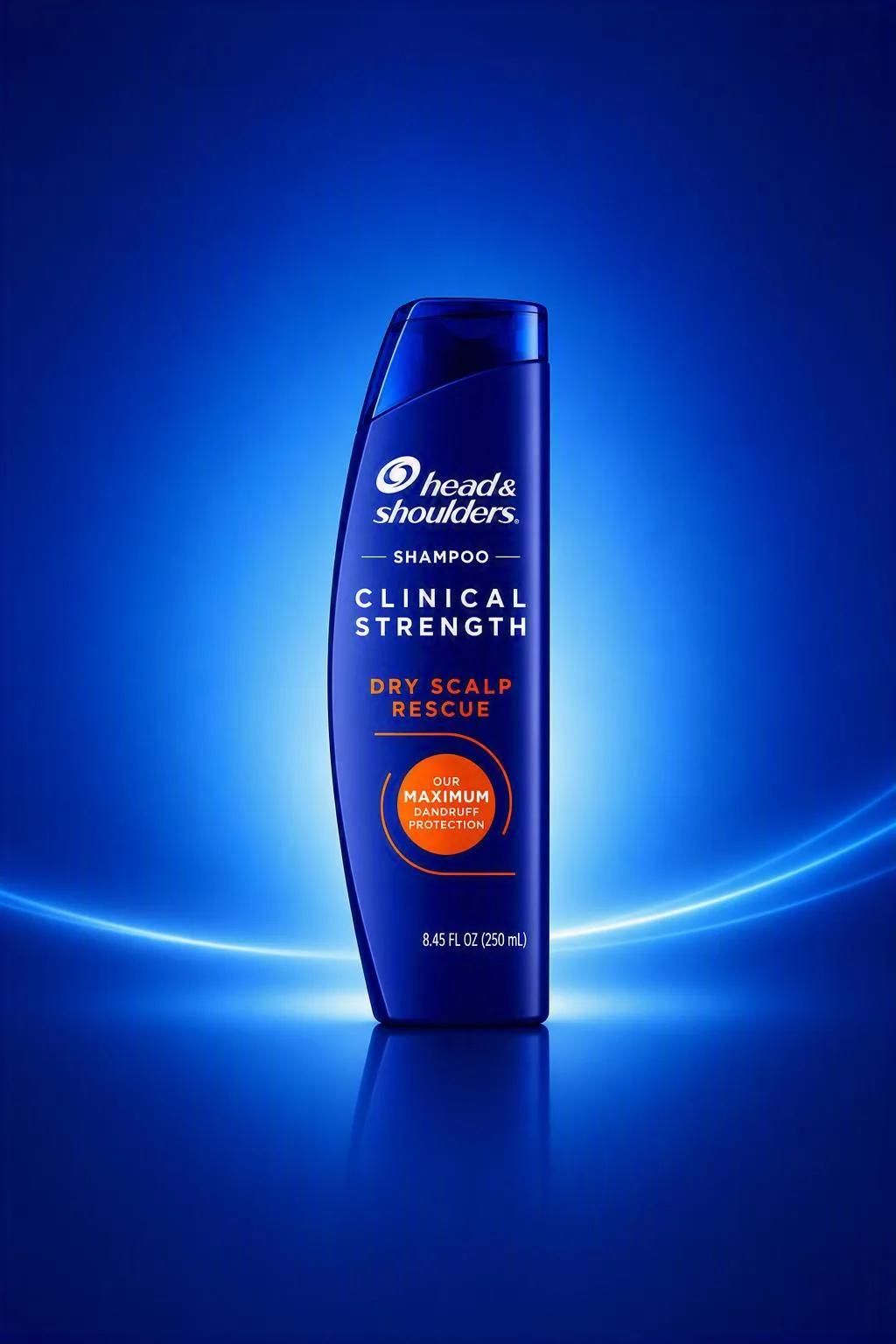
What is Selenium Sulfide and How Does it Help Control Dandruff?
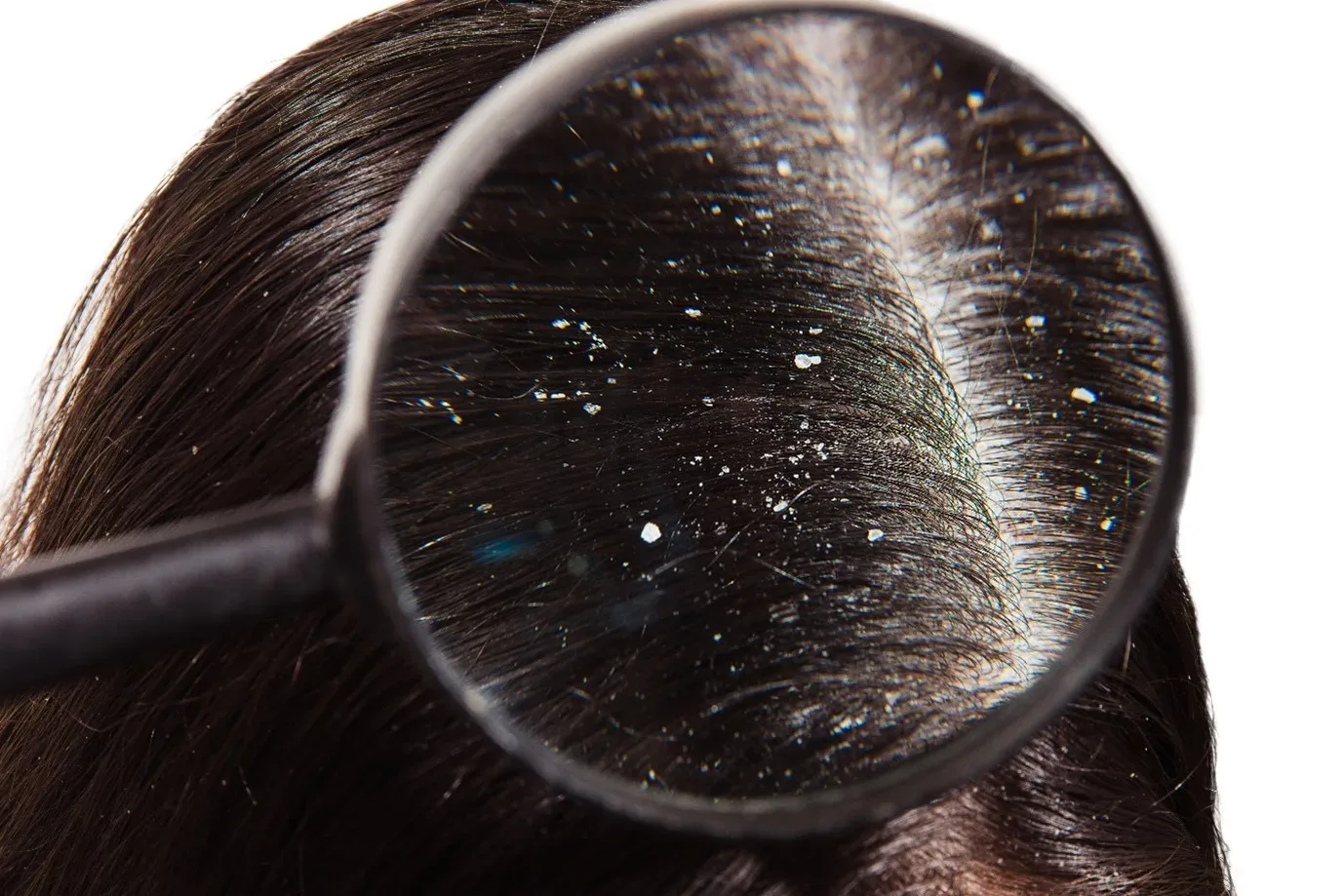
Out of all the anti-dandruff ingredients that are proven to provide relief against dandruff, selenium sulfide is a popular one. It has been used in dandruff treatments for many years and is often found in products designed for stubborn or recurring flakes.
So, what makes selenium sulfide different from regular shampoo ingredients, and why is it still commonly used today? Let's take a closer look at how it helps keep dandruff under control and who may benefit from using it.
What is Selenium Sulfide?
Selenium sulfide is an anti-dandruff ingredient used in certain shampoos to help reduce scalp flaking, itching, and irritation associated with dandruff.Dandruff is often linked to the overgrowth of Malassezia, a naturally occurring yeast found on the scalp. Selenium sulfide helps manage this imbalance while also slowing excessive skin cell turnover, which is one of the main reasons visible flakes appear.
Because it targets multiple factors associated with dandruff, selenium sulfide is commonly used in products designed for persistent or severe symptoms.
Key Takeaways
• Selenium sulfide is an ingredient used to help control dandruff.
• It works by reducing excessive scalp cell shedding.
• It also helps manage scalp conditions linked to Malassezia overgrowth.
How Does Selenium Sulfide Help Control Dandruff?
Selenium sulfide helps control dandruff by reducing the rapid shedding of scalp skin cells and limiting the growth of microorganisms associated with flaking and irritation.
Slows Excessive Cell Turnover
In dandruff-prone scalps, skin cells can shed much faster than normal. Instead of being invisible, these dead skin cells accumulate and become visible flakes. Selenium sulfide helps slow this process, reducing the amount of flaking over time.
Helps Manage Malassezia Activity
Research has shown that dandruff is often associated with an imbalance involving Malassezia yeast. Selenium sulfide helps control this activity, which can contribute to fewer flakes and less irritation.
Reduces Scalp Discomfort
By addressing some of the underlying factors linked to dandruff, selenium sulfide may help reduce symptoms such as itching and scalp irritation.
Key Takeaways
• Helps reduce visible flakes by slowing the rapid buildup of dead skin cells on the scalp.
• Helps control dandruff-related itch and irritation by addressing key scalp imbalances.
How Effective Is Selenium Sulfide Shampoo for Severe Dandruff and Scalp Irritation?
Selenium sulfide shampoos are often considered effective for managing persistent dandruff symptoms, particularly when flakes and irritation continue despite regular cleansing.
For individuals dealing with severe dandruff, treatment success often depends on consistency rather than a single product or ingredient alone. Factors such as scalp type, oil production, washing frequency, climate, and overall hair care habits can all influence results.
While selenium sulfide can be beneficial for some people, scalp care is rarely a one-step process. Many individuals find that maintaining a regular anti-dandruff routine and using products suited to their scalp concerns delivers the most sustainable results.
If symptoms remain severe or continue for an extended period despite appropriate care, consulting a dermatologist may be advisable to identify other underlying scalp conditions.
Key Takeaways
• Selenium sulfide may help manage persistent dandruff symptoms.
• Consistent scalp care habits are important for long-term flake control.
• Ongoing irritation should be assessed by a dermatologist.
How to Build an Effective Anti-Dandruff Routine?
A good anti-dandruff routine is not just about washing your hair more often. It is about using the right ingredients consistently to break the cycle of recurring flakes before they become a constant problem.Here's how an effective anti-dandruff routine may look like:
• Use an anti-dandruff shampoo that can target the shampoo at its root and stay consistent with it.
• Wash your hair regularly. For dry scalp, twice a week usually works well while for oily scalp, at least three times a week may be required. The final frequency will depend upon your scalp type, the climate you live in, your lifestyle, and various other factors.
• Follow up with a conditioner for your hair lengths.
• Try to keep your scalp sweat-free, especially if you live in a humid climate or work out regularly.
For those dealing with stubborn dandruff, Head & Shoulders Clinical Strength Itch Relief Shampoo offers Ultimate Dandruff Defence with a formula powered by 1% Selenium sulfide, an ingredient trusted by dermatologists for tackling the root cause of persistent dandruff. The formula is designed to work 2X faster than a regular anti-dandruff shampoo, helping you break the cycle of stubborn dandruff while providing effective flake and itch relief. Many users also notice visible results quickly, with a scalp that feels cleaner and up to 100% dandruff-free from the first wash when used as directed.
At the end of the day, consistency is what keeps dandruff under control. Choosing a targeted solution with proven ingredients like 1% Selenium sulfide can help you stay ahead of flakes, itch, and recurring scalp issues while enjoying healthier-looking, more comfortable hair.
Key Takeaways
• Consistency is one of the most important factors in managing dandruff effectively.
• Keeping your scalp free of oil, sweat, and dirt is important.
• Products containing selenium sulfide, such as Head & Shoulders Clinical Strength Itch Relief Shampoo, can help target stubborn flakes and itch.
Signs You Should Consult a Dermatologist for Dandruff
You should consider consulting a dermatologist if dandruff symptoms remain persistent, severe, or accompanied by significant scalp discomfort.Professional evaluation may be useful if you experience:
• Continuous flaking despite regular anti-dandruff care.
• Severe scalp redness or irritation.
• Thick scales or patches on the scalp.
• Symptoms that frequently return after treatment.
• Noticeable impact on daily comfort or confidence.
A dermatologist can determine whether another scalp condition may be contributing to the symptoms.
Key Takeaways
• Persistent or severe dandruff may require professional evaluation.• A dermatologist can help identify whether another scalp condition is contributing to your symptoms.
Conclusion
Selenium sulfide is a widely recognised anti-dandruff ingredient that helps manage visible flakes, scalp irritation, and excessive skin cell shedding. Its ability to address multiple factors associated with dandruff has made it a commonly used option for persistent symptoms. However, effective dandruff management often involves more than a single ingredient. A consistent scalp care routine, suitable anti-dandruff products, and attention to seasonal triggers such as heat and humidity can all contribute to healthier-looking, more comfortable scalps over time.
FAQS
1. How long does selenium sulfide take to work on dandruff?
Many people notice an improvement in flakes and scalp itching within a few washes, although results can vary depending on the severity of dandruff. Consistent use is usually important for maintaining long term control.
2. Is selenium sulfide good for stubborn dandruff?
Yes. Selenium sulfide is often used in shampoos designed for stubborn or recurring dandruff because it helps tackle the main causes of visible flakes while also reducing excessive scalp cell shedding.
3. Can selenium sulfide help with an itchy scalp?
Yes. Selenium sulfide helps relieve itch associated with dandruff by targeting its root causes. For stubborn itching, Head & Shoulders Clinical Strength Itch Relief Shampoo with 1% selenium sulfide helps control dandruff while providing a cooling sensation that soothes the scalp.
4. How often should I use a selenium sulfide shampoo?
Usage can vary by product and individual scalp needs. Many selenium sulfide shampoos are designed for regular use, but it is best to follow the directions provided on the product label.
5. Can dandruff come back after stopping selenium sulfide shampoo?
Dandruff is often a recurring scalp condition. If the underlying causes are not managed, flakes and itching may return over time, which is why ongoing scalp care is important.
6. Can sweat and humidity trigger dandruff flare ups?
Yes. Hot and humid weather can increase sweating and oil build up on the scalp, which may make dandruff symptoms more noticeable in some people. Maintaining a consistent anti dandruff routine can help keep symptoms under control.