
Shampoos for Oily Scalp With Dandruff: What Dermatologists Recommend for Daily Use
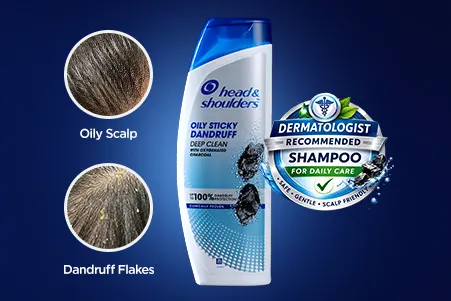
Managing an oily scalp with dandruff often feels tricky. Frequent washing can leave the scalp feeling dry or uncomfortable, while washing less often allows oil, flakes, and itch to build up quickly. Many people face this concern daily and often wonder whether one shampoo can manage oiliness and dandruff without making either problem worse.
Dermatologists take a more scalp-focused approach. Instead of stripping oil aggressively, they recommend shampoos that control excess sebum, target dandruff-causing microbes, and support the scalp’s natural barrier. When chosen carefully, the right shampoo can stay gentle enough for daily use while keeping flakes under control.
Why Does Oily Scalp Develop Dandruff Quicker?
An oily scalp may mean the scalp health is out of balance. Excess sebum creates the ideal environment for Malassezia, a naturally occurring yeast that feeds on oil. When it multiplies, the scalp reacts with flaking, itching, and irritation. This is why dandruff often appears worse when the scalp feels greasy.
Hormonal changes, stress, humid weather, and using heavy styling products can increase oil production further. Washing with harsh cleansers can also trigger rebound oiliness, making dandruff more stubborn over time.
Key takeaways
● Oily scalps encourage dandruff-causing microbes
● Harsh shampoos can worsen oil production
● Balanced cleansing helps break the oil–flake cycle
What dermatologists Look For in a Daily Shampoo for Oily Scalp
For everyday use, dermatologists prioritise formulas that cleanse effectively without stripping the scalp. They prefer cleansing and purifying ingredients that can effectively remove build up and excess oil while maintaining the scalp’s hydration. One such ingredient is Piroctone Olamine, which is often recommended because it targets dandruff while remaining kind to the scalp. It helps reduce visible flakes and itch without triggering dryness, which is essential for people who wash frequently.
Key takeaways
● Mild cleansing and antifungal ingredients suit daily washing
● Gentle cleansing prevents rebound oiliness
● Your shampoo shouldn’t leave your scalp excessively dry
● Scalp comfort matters as much as flake control
Also Read: What is oily scalp and sticky dandruff
Do anti-dandruff shampoos really reduce scalp oiliness?
This is a common concern. Many assume anti-dandruff shampoos dry the scalp, but modern formulations work differently. By controlling dandruff-causing microbes, these shampoos reduce irritation. When irritation drops, oil glands often become less overactive.
Clinical observations show that regular use of a suitable anti-dandruff shampoo can lead to a cleaner, more balanced scalp over time. The key lies in consistency rather than switching products too often.
Key takeaways
● Anti-dandruff shampoos can help balance oil levels
● Reduced irritation often means less oil over time
● Regular use delivers better results than product hopping
Is Daily Use of Anti-dandruff Shampoo Safe for Oily Scalps?
Dermatologists now confirm that daily use is safe when the formula stays gentle and well balanced. Oily scalps tend to accumulate sebum quickly, and skipping washes can worsen dandruff and itch.
Using a mild anti-dandruff shampoo daily helps prevent oil build-up and keeps flakes from returning. The scalp stays fresh without feeling tight or over-cleansed, especially when the shampoo avoids harsh sulphates.
Key takeaways
● Daily washing suits oily scalps when the formula is gentle
● Consistency prevents oil and flake build-up
● Mild shampoos protect the scalp barrier
Also Read: Diet to prevent oily scalp
Can Anti-Dandruff Shampoos Make Your Scalp Oilier?
The fear of extra oil often comes from shampoos that either leave heavy residues, or strip your scalp off all its essential natural oils, which then prompts the scalp to secrete more sebum in order to compensate for the dryness. Lightweight and balanced formulas rinse clean and focus on scalp care while maintaining the scalp’s natural balance.
Clarifying shampoos designed for oily scalps can work well, even on colour-treated hair, when they use balanced cleansing agents. Dermatologists advise avoiding using conditioners on the scalp and keeping them limited to hair lengths.
Key takeaways
● Lightweight formulas suit oily, dandruff-prone scalps
● Clean-rinsing shampoos prevent greasy residue
● Conditioner placement affects scalp oiliness
What Dermatologists Often Recommend for Oily Scalp with Dandruff
Many dermatologists suggest shampoos containing ingredients that can remove excess buildup and fight against dandruff-causing fungus at the same time. This combination helps to fight existing dandruff while helping to keep the scalp fresh for longer. One ingredient that dermatologists often recommend is piroctone olamine, as it helps maintain daily scalp hygiene without stripping away essential moisture and this is where Head & Shoulders stands out. Formulated for frequent use, it supports a cleaner, fresher scalp while managing oil and irritation, making it a reliable everyday solution. Trusted globally, Head & Shoulders is recommended by 8 out of 10 dermatologists.*
Formulas like those found in Head & Shoulders Deep Cleanse Dandruff Shampoo are specifically designed for oily scalps prone to sticky, recurring dandruff. Powered by oxygenated charcoal, it delivers 100% protection^ from oily, sticky dandruff by deeply cleansing excess oil and impurities that clog the scalp. Its safe and effective formula works five layers deep to remove dandruff at the source and help prevent it from coming back with regular use.
^Only visible flakes. With regular use of at least 3 times a week
Key takeaways
● Piroctone Olamine supports daily dandruff control
● Balanced formulas help manage oil and flakes together
● Regular use improves long-term scalp comfort
Practical Tips to Make the Most Out of Your Shampoo
Even the best shampoo works better with the right habits. Massage the product gently into the scalp and leave it on for a short time before rinsing. This allows active ingredients to work properly.
Avoid very hot water, as it can stimulate the oil glands. Keep styling products away from the scalp whenever possible, and clean brushes regularly to prevent oil transfer.
Key takeaways
● Gentle massage improves ingredient performance
● Warm, not hot, water protects scalp balance
● Clean tools help reduce oil build-up
Final thoughts
Managing an oily scalp with dandruff does not require harsh treatments or complicated routines. Dermatologists recommend gentle, effective shampoos that support daily cleansing while addressing flakes at the source. With the right formula and consistent use, it becomes easier to maintain a clean, comfortable scalp that feels balanced every day.
FAQs
Which shampoo for oily scalp do dermatologists recommend for everyday use?
Dermatologists usually suggest gentle anti-dandruff shampoos with ingredients like piroctone olamine that cleanse effectively without stripping the scalp.
Can anti-dandruff shampoos make my scalp oilier?
When well formulated, they help regulate oil by reducing irritation rather than increasing greasiness.
Is there one shampoo that treats dandruff without drying the scalp?
Yes. Modern anti-dandruff shampoos are designed to treat flakes while keeping the scalp comfortable. Try Head & Shoulders, which uses balanced formulas with ingredients like piroctone olamine to help control dandruff without stripping essential moisture, making it suitable for regular use on an oily, dandruff-prone scalp.
Which clarifying shampoo for oily scalp is gentle enough for colour-treated hair?
For an oily scalp that’s also colour-treated, choose a clarifying shampoo with gentle, sulphate-free cleansing agents. These formulas help remove excess sebum and product build-up without stripping colour or causing dryness.