
New Year, Healthier Scalp: How to Build a Daily Scalp Care Routine for 2026

A new year often brings fresh fitness goals and cleaner eating habits, but scalp care rarely makes the list. Yet your scalp is the foundation of healthy hair. When it stays balanced, hair feels stronger, looks healthier, and sheds fewer flakes. In 2026, the focus shifts away from quick fixes and towards simple, consistent habits that fit into everyday life.
Building a scalp care routine does not require expensive treatments or complicated steps. What matters most is regular care that works with your lifestyle. When daily, weekly, and monthly habits align, scalp concerns like dryness, breakage, and recurring dandruff become far easier to manage.
Why Consistency Matters More Than Occasional Treatments
Daily exposure to pollution, sweat, styling products, and stress affects the scalp more than we realise. Without regular cleansing and care, these factors build up and weaken the scalp barrier. Simple habits performed regularly keep the scalp clean, calm, and resilient throughout the year.
Many people treat scalp issues only when discomfort appears. This stop-start approach often leads to recurring dandruff and uneven scalp health. A consistent routine supports the scalp’s natural balance and helps prevent issues before they become visible.
Key takeaways:
● Regular scalp care prevents recurring issues better than occasional treatments
● Daily exposure to dirt and styling residue affects scalp balance
● Simple, consistent habits support long-term scalp health
Daily Habits That Protect the Scalp and Hair
Healthy hair starts with everyday awareness. Gentle handling plays a key role in reducing breakage and scalp irritation. Avoid tight hairstyles that pull at the roots, especially on busy days. Letting hair breathe reduces unnecessary stress on the scalp.
Keep your scalp clean at all times. Daily cleansing does not always mean shampooing, but it does mean keeping the scalp fresh. Rinsing after workouts, limiting heat styling, and brushing gently help distribute natural oils keep the scalp comfortable. Staying hydrated and managing stress also support scalp health, as both directly influence oil balance and flake formation. Additionally, consume food rich in vitamins and antioxidants.
Key takeaways:
● Gentle styling reduces tension and breakage
● Daily freshness supports scalp comfort
● Shampoo your scalp regularly
● Hydration and stress management influence scalp balance
● Consume fresh fruits and vegetables rich in vitamins and antioxidants.
How Often Should You Shampoo and Condition?
There is no one-size-fits-all rule, but consistency matters more than frequency. For most people, shampooing two to three times a week keeps the scalp clean without stripping moisture. Those with oilier scalps may benefit from more frequent washing, while dry scalps may need fewer washes.
Conditioning focuses on the hair lengths rather than the scalp, helping maintain softness and manageability. Clean hair allows the scalp to regulate oil naturally, reducing the conditions that allow flakes to form. Regular cleansing prevents product build-up, which often contributes to itching and dull hair.
Key takeaways:
● Shampoo frequency depends on scalp type
● Consistent cleansing supports oil balance
● Conditioning replenishes hydration and keeps hair manageable without weighing it down
The Role of Weekly Oiling and Scalp Massage in a Hair Care Routine
Weekly oiling can support scalp comfort when done correctly. Light oils applied in small amounts help soften the scalp and improve circulation. Gentle scalp massage encourages blood flow without overstimulating oil glands.
Leaving oil on for too long or applying heavy layers can trap dirt and worsen scalp issues. Washing the hair within a few hours keeps the scalp clean while still allowing the oil to nourish. This balanced approach supports scalp health without causing build-up.
Key takeaways:
● Weekly oiling supports scalp comfort when done lightly
● Gentle massage improves circulation
● Timely cleansing prevents oil build-up
Monthly Scalp Reset for Long-Term Balance
A monthly reset helps clear stubborn build-up that daily routines may miss. This may include deeper cleansing or reassessing your hair products based on seasonal changes. Weather shifts often affect scalp dryness and oil production, making regular adjustments essential.
Using an anti-dandruff shampoo once a month or a few times a month helps keep flakes under control, even when dandruff is not visible. Anti-dandruff shampoos are formulated to deeply clean and purify your scalp while removing excess oil. Consistent use supports scalp balance and reduces the chances of flakes returning unexpectedly. This proactive approach keeps the scalp comfortable throughout the year.
Key takeaways:
● Using an anti-dandruff shampoo periodically removes lingering build-up
● Seasonal changes affect scalp needs; you may need to update hair care products accordingly
● Preventive care stops dandruff from returning
How to Choose the Right Products for Everyday Scalp Care?
Product choice plays an important role, but simplicity works best. Shampoos designed to maintain scalp balance help support daily hygiene without disrupting moisture. Ingredients with known scalp-care benefits offer added reassurance when used regularly.
Choose hair care ingredients keeping in mind your scalp and hair’s specific needs and any existing challenge. For dry scalp, hydrating shampoos work well. For oily or dandruff-prone scalp, on the other hand, it is important to pick shampoos containing ingredients that work to reduce dandruff and purify the scalp.
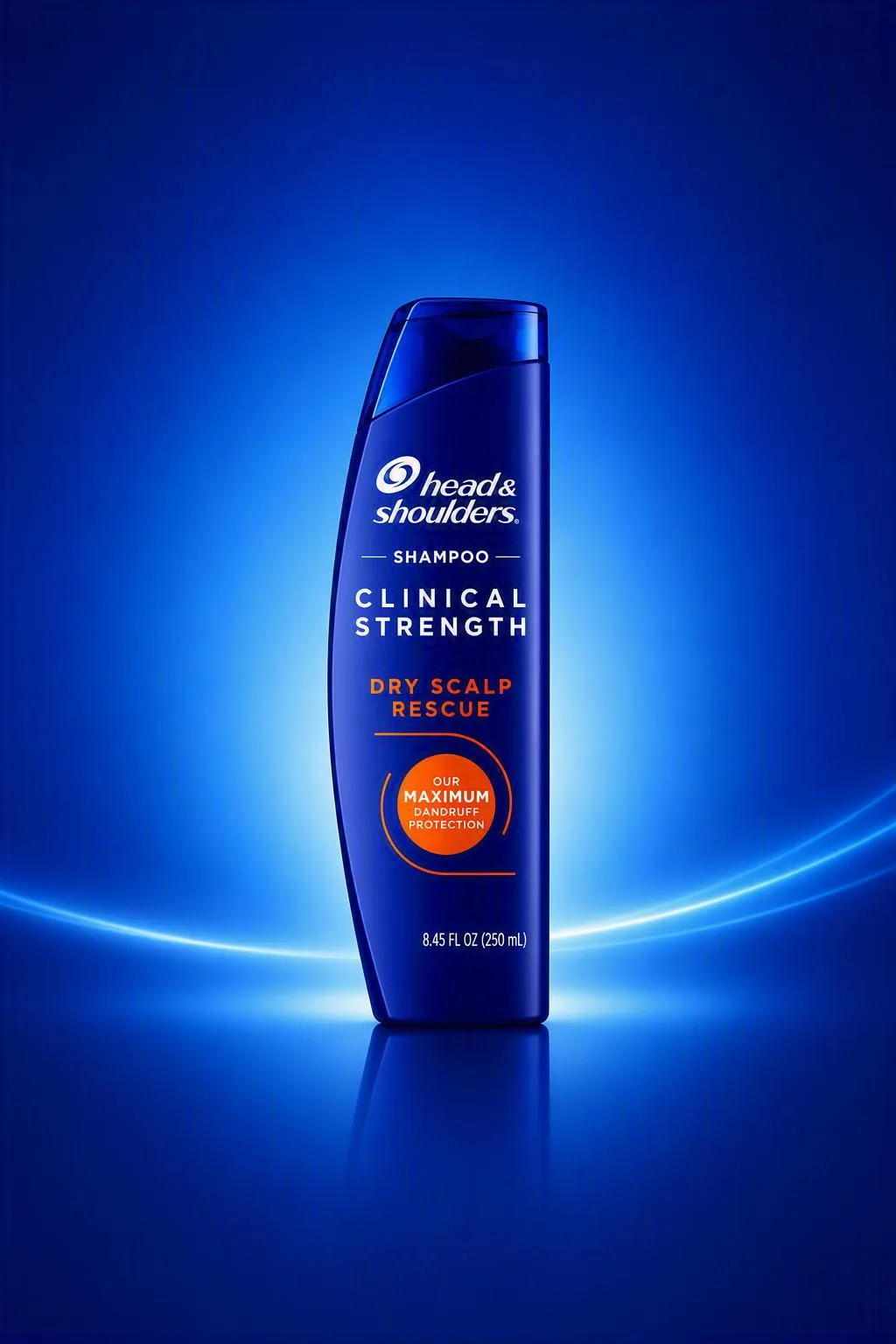
Neem, for example, has long been recognised for its cleansing and protective properties. Head & Shoulders Neem Shampoo, with its anti-dandruff benefits, fits easily into regular routines by helping cleanse the scalp while supporting moisture balance. When used consistently, it helps protect the scalp and reduce the likelihood of dandruff returning, without feeling heavy or harsh.
Key takeaways:
● Simple formulations support daily scalp hygiene
● Pick your hair care products depending on your specific, individual needs
● Balanced products protect moisture levels
● Consistent use helps prevent recurring flakes
Building a Routine That Lasts Throughout the Year
The most effective scalp care routine is one you can maintain all year. Daily awareness, weekly nourishment, and monthly resets work together to keep the scalp balanced and hair healthier over time. Small, regular actions deliver better results than occasional intensive treatments.
As 2026 begins, focusing on steady habits rather than quick fixes sets the tone for long-term scalp comfort. When scalp care becomes part of everyday self-care, healthy hair naturally follows.
Key takeaways:
● Sustainable routines deliver lasting results
● Daily, weekly, and monthly habits work together
● Consistency keeps the scalp balanced year-round
Final Thoughts
A healthier scalp in 2026 is achievable with small habits done consistently, not from occasional fixes. By keeping routines simple and regular, you reduce breakage, support hair growth, and prevent dandruff from becoming a recurring concern. A steady approach to scalp care makes healthy hair easier to maintain, no matter the season.
FAQs
How can I create a simple daily, weekly, and monthly hair care schedule?
Follow gentle daily habits, shampoo regularly, use a conditioner, and add a monthly scalp reset to prevent build-up and breakage.
What should I do daily to keep my hair healthy and prevent damage?
Avoid tight styles, limit heat styling, use a heat protectant while styling, stay hydrated, and handle hair gently to protect the scalp and strands.
How often should I shampoo and condition my hair?
Shampoo two to three times a week based on your scalp type and condition regularly to keep hair soft and manageable.
Should I oil my hair weekly, and what’s the right way to do it?
Use a light oil once a week, massage gently, and wash it out within a few hours to avoid build-up.
Should I use an anti-dandruff shampoo every month?
Yes, regular or monthly use helps maintain scalp balance and prevents dandruff from returning.