
Best Dermatologist-Recommended Shampoos for Itchy Scalp (2026 Guide)
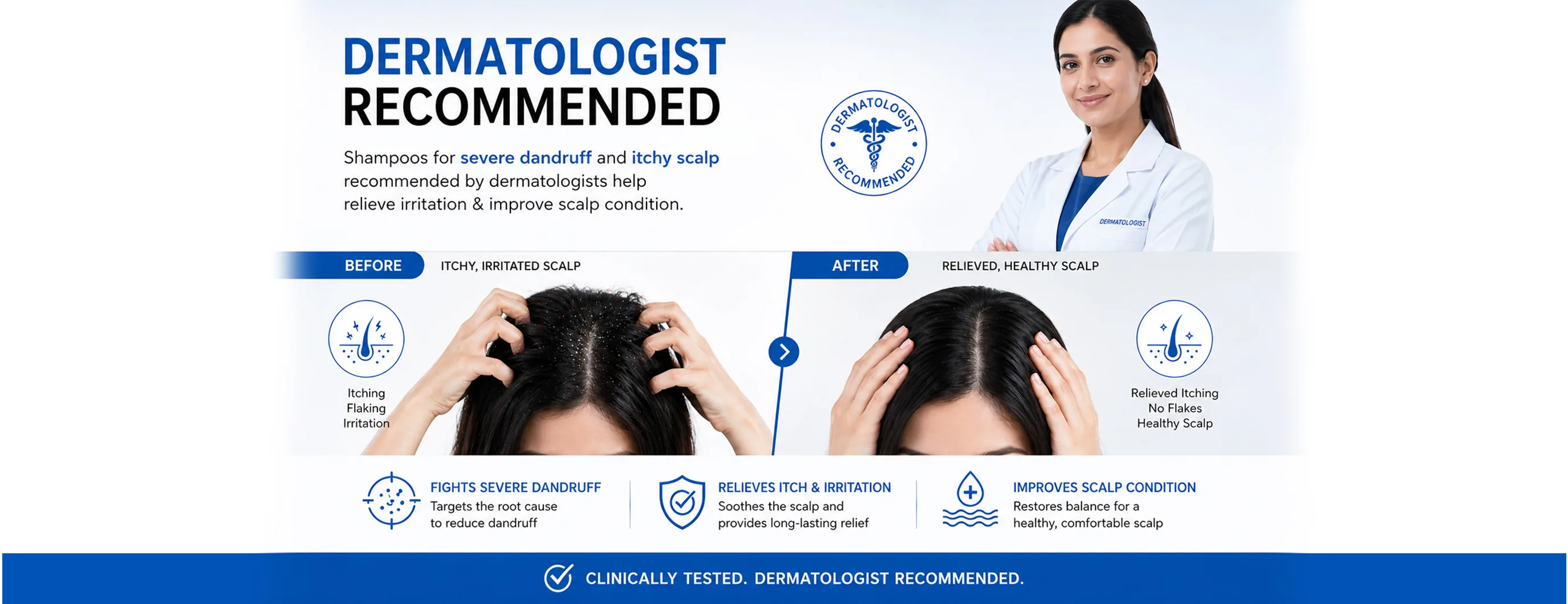
An itchy scalp can feel distracting, uncomfortable, and sometimes embarrassing. The urge to scratch often appears suddenly and may continue throughout the day, especially when flakes, dryness, or irritation is present. Many people assume the problem comes only from dandruff, but dermatologists explain that several scalp conditions can trigger persistent itching.
In 2026, scalp care has become more ingredient-focused. Dermatologists now encourage people to look beyond fragrance and instead choose shampoos based on scalp health. The right formula helps calm irritation, control flakes, and restore balance without stripping the scalp.
Why Your Scalp Itches So Much
Scalp itching rarely happens without a clear reason. Dermatologists explain that itching usually indicates irritation, inflammation, or an imbalance on the scalp surface. Everyday habits, environmental factors, and certain hair products can all affect scalp health. Understanding the common causes helps you choose the right shampoo and care routine to reduce irritation and keep the scalp comfortable.
Common Causes of Scalp Itchiness
● Dandruff caused by fungal overgrowth One of the most frequent causes of itching is dandruff. It occurs when a naturally present yeast called Malassezia grows too quickly on the scalp. This imbalance can lead to flakes, redness, and persistent itching.
● Dry scalp and moisture loss Changes in weather, frequent hot showers, and harsh shampoos can strip the scalp of its natural oils. When the scalp becomes too dry, it often feels tight and itchy.
● Product build-up on the scalp Styling products, conditioners, and even certain shampoos can leave residue behind. Over time, this build-up may clog hair follicles and irritate the scalp, leading to itching and discomfort.
● Sensitivity to strong ingredients or fragrances Some scalps react more strongly to artificial fragrances, dyes, or harsh cleansing agents in shampoos. These ingredients can cause irritation, redness, and itchiness even after a single use.
Key Takeaway
● Dandruff caused by fungal overgrowth is a leading cause of itchy scalp
● Dry scalp and moisture loss often trigger irritation
● Product build-up may block follicles and cause itching
● Sensitive scalps react to strong ingredients or fragrances
What Dermatologists Look for in Shampoos for Itchy Scalp
Dermatologists usually recommend shampoos that address the root cause of itching rather than simply masking the symptoms. In most cases, this means using formulas with clinically recognised anti-dandruff or soothing ingredients.
Active ingredients such as ketoconazole and piroctone olamine help control the yeast responsible for dandruff and flakes. Salicylic acid helps remove build-up and dead skin, which allows the scalp to renew itself more effectively.
Alongside these active ingredients, soothing components like aloe vera, tea tree oil, and hydrating botanicals can calm irritation and maintain scalp comfort.
Dermatologists also emphasise pH-balanced formulas that cleanse gently without damaging the scalp barrier. These shampoos help maintain a healthy scalp environment and reduce the risk of future itching.
Key Takeaway
● Ketoconazole, and Piroctone olamine help control dandruff-related itching
● Salicylic acid removes scalp build-up and dead skin
● Aloe vera and tea tree oil soothe irritation
● pH-balanced shampoos support long-term scalp health
Shampoo Ingredients That Can Trigger Scalp Irritation
While choosing the right ingredients matters, avoiding harsh ones is equally important. Many people experience scalp itching because certain shampoo ingredients strip natural oils or irritate sensitive skin.
Sodium lauryl sulfate (SLS), a strong cleansing agent, can remove excessive oil from the scalp. While it creates a rich lather, it may leave the scalp dry and more prone to itching.
Artificial fragrances and dyes may also irritate the scalp, especially for people with sensitivity or eczema. Alcohol-based formulas sometimes worsen dryness and inflammation as well.
Parabens and certain preservatives rarely cause problems for everyone, but dermatologists suggest avoiding heavily fragranced or chemically intense formulas if scalp itching persists. Choosing simpler ingredient lists with fewer additives often reduces the risk of irritation.
Key Takeaway
● Strong sulfates like SLS may strip natural scalp oils
● Artificial fragrances and dyes can irritate sensitive scalps
● Alcohol-heavy formulas may increase dryness and itching
● Simpler formulas with fewer additives reduce irritation risk
Shampoos Experts Recommend for Itchy Scalp Relief
Dermatologists often suggest medicated anti-dandruff shampoos because they target the microbial imbalance that causes itching and flaking. Regular use helps reduce the yeast responsible for dandruff while calming inflammation.
For many people, the most effective routine involves using a treatment shampoo two to three times per week while alternating with a gentle everyday cleanser.
Some modern anti-dandruff shampoos also focus on minimal formulations designed for sensitive scalps. Gentle formulas such as Head & Shoulders BARE Anti-Dandruff Shampoo Soothing Hydration focus on simple ingredient lists while still providing dandruff protection. This sulfate-free, silicone-free, and dye-free formula contains only nine ingredients and helps cleanse and hydrate the scalp while keeping flakes under control. The lightweight orchid and aloe scent offers a fresh feel while maintaining a mild formula that works well for dry or sensitive scalps. Using dermatologist-tested formulas consistently often reduces itching significantly within a few weeks.
Key Takeaway
● Medicated anti-dandruff shampoos treat the root cause of itching
● Using treatment shampoos 2–3 times weekly supports scalp recovery
● Gentle everyday shampoos help maintain scalp balance
● Minimal-ingredient formulas may suit sensitive scalps
How to Use Anti-Dandruff Shampoo for Long-Term Relief
Even the best shampoo will not work effectively if used incorrectly. Dermatologists often advise leaving anti-dandruff shampoo on the scalp for at least one to two minutes before rinsing. This allows active ingredients to work properly.
Regular washing is also important. Some people avoid washing frequently when itching begins, but this can allow oil and yeast to build up further. When using treatment shampoos, alternating them with gentle shampoo options helps maintain moisture and prevents dryness.
Scalp massage during washing can also improve circulation and help ingredients reach the scalp surface more effectively.
Key Takeaway
● Leave shampoo on the scalp briefly before rinsing
● Wash regularly to prevent oil and yeast build-up
● Alternate medicated and gentle shampoos for balance
● Massage the scalp gently during washing
When Should You Consult a Dermatologist?
Occasional itching usually improves with the right shampoo routine. However, persistent itching, redness, or thick scaling may require medical attention.
Conditions such as seborrhoeic dermatitis, psoriasis, or fungal infections can cause intense itching that does not improve with regular shampoos. A dermatologist can diagnose the condition and recommend targeted treatments.
Seeking help early often prevents the problem from worsening and helps restore scalp comfort faster.
Key Takeaway
● Persistent itching may signal an underlying scalp condition
● Psoriasis or seborrhoeic dermatitis can require medical treatment
● Dermatologists can recommend stronger medicated solutions
● Early treatment helps restore scalp balance sooner
Final Thoughts
An itchy scalp can disrupt everyday comfort, but the right shampoo routine often provides relief. Dermatologists emphasise treating the root cause rather than masking symptoms. Choosing shampoos with proven anti-dandruff ingredients, avoiding harsh chemicals, and following a consistent routine can make a noticeable difference.
As scalp care continues to evolve in 2026, ingredient-focused formulas and gentle cleansing approaches remain the most effective path toward a healthier, calmer scalp. When the scalp stays balanced, itching reduces naturally, allowing hair to feel fresher, cleaner, and more comfortable every day.
FAQs
What shampoo do dermatologists recommend for an itchy scalp?
Dermatologists usually recommend anti-dandruff shampoos that contain active ingredients such as piroctone olamine, ketoconazole, or salicylic acid. These ingredients help control the yeast linked to dandruff and itching while cleansing the scalp gently and restoring its natural balance.
Which shampoo ingredients cause an itchy scalp, and which brands do dermatologists advise avoiding?
Ingredients such as sodium lauryl sulfate (SLS), strong artificial fragrances, dyes, and high alcohol content can irritate sensitive scalps and trigger itching. Dermatologists generally advise avoiding heavily fragranced or harsh cleansing formulas and instead choosing gentle, balanced shampoos designed for scalp health.
Why does my scalp itch so much, and what shampoo should I use?
Scalp itching usually happens due to dandruff, dryness, product build-up, or sensitivity to hair care ingredients. Using an anti-dandruff shampoo with soothing ingredients and proven scalp-care actives can help restore balance and reduce itching.
What harsh chemicals in shampoos can cause scalp irritation?
Strong sulfates, artificial fragrances, parabens, and certain preservatives may trigger irritation in sensitive scalps. Switching to gentler formulas that are sulfate-free or fragrance-light can help reduce itching and maintain scalp comfort.