
Smoking, Dandruff and Hair Loss: Understanding the Connection
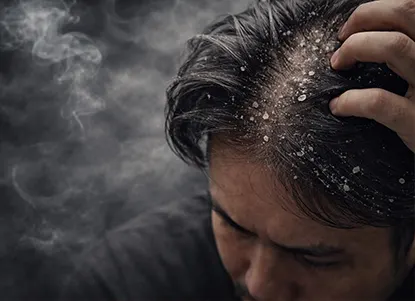
We often associate smoking with its effects on the lungs and skin, but its impact doesn’t stop there. Your scalp and hair are equally vulnerable. If you’ve been noticing flakes, itchiness, or increased hair fall, it’s worth asking: Is there a link between smoking and hair loss, and can smoking cause dandruff too?
The short answer is yes. Smoking affects circulation, oil production, and scalp health, all of which play a role in dandruff and hair thinning. In this guide, we break down the science behind smoking and hair loss, how smoking causes dandruff, and what you can do to protect your scalp.
How Smoking Affects Your Scalp and Hair
Your scalp is living tissue. It depends on oxygen, nutrients, and balanced oil production to stay healthy. Smoking disrupts all three.
Here’s what happens beneath the surface:
● Reduced blood circulation: Nicotine constricts blood vessels, limiting oxygen and nutrients reaching hair follicles
● Increased oxidative stress: Free radicals damage scalp cells and weaken hair roots
● Hormonal imbalance: Smoking can influence androgen levels, which are linked to hair thinning
● Weakened immune response: Makes the scalp more prone to irritation and microbial imbalance.
Over time, these effects create the perfect environment for both dandruff and hair loss.
Smoking and Hair Loss: What’s the Real Link?
The connection between smoking and hair loss is both direct and indirect.
1. Poor Nutrient Delivery to Hair Follicles
Hair follicles need a steady supply of nutrients like biotin, zinc, and protein. Smoking restricts blood flow, which weakens follicles and shortens the hair growth cycle.2. Increased Hair Fall and Thinning
When follicles are deprived of oxygen, hair becomes:● Brittle
● More prone to breakage
● Slower to regrow
This can result in noticeable thinning over time.
3. Premature Ageing of Hair
Smoking accelerates ageing, which affects hair too. You may notice:● Early greying
● Loss of hair density
● Duller texture
Can Smoking Cause Dandruff?
Yes, whether smoking can cause dandruff is a valid concern, and the answer is increasingly supported by scalp health research.Dandruff isn’t just about dryness; it’s often linked to oil imbalance and microbial activity. Smoking interferes with both.
How Smoking Causes Dandruff:
● Triggers excess oil production: Nicotine can overstimulate sebaceous glands, leading to an oily scalp● Disrupts scalp microbiome: Encourages the overgrowth of dandruff-causing microbes
● Slows skin cell turnover: Leads to accumulation of dead skin cells (flakes)
● Increases scalp sensitivity: Makes itchiness and irritation worse
So when we say smoking causes dandruff, it’s not just one factor; it’s a chain reaction affecting the entire scalp ecosystem.
Smoking, Dandruff, and Hair Loss: The Combined Impact
When dandruff and hair loss occur together, smoking often acts as a common underlying trigger.
| Factor | Effect of Smoking | Result on Scalp & Hair |
|---|---|---|
| Blood flow | Reduced circulation | Weak hair roots, hair fall |
| Oil production | Imbalanced sebum | Oily dandruff, build-up |
| Scalp barrier | Weakened defence | Irritation, flakes |
| Hair cycle | Disrupted growth phases | Thinning and shedding |
This combination can make dandruff more persistent and hair fall more noticeable.
Signs Your Scalp Is Being Affected by Smoking
Not sure if smoking is impacting your scalp? Look out for these common signs:
● Recurring dandruff despite regular washing
● Oily scalp with sticky flakes
● Increased hair fall during combing or washing
● Itchy, irritated scalp
● Hair that feels thinner or weaker over time
If these symptoms sound familiar, your scalp may be reacting to internal stressors like smoking.
Managing Dandruff Caused by Smoking
While quitting or reducing smoking is the most effective long-term solution, you can still take steps to manage scalp health. A consistent routine can help control flakes and maintain scalp balance:1. Use a proven anti-dandruff shampoo
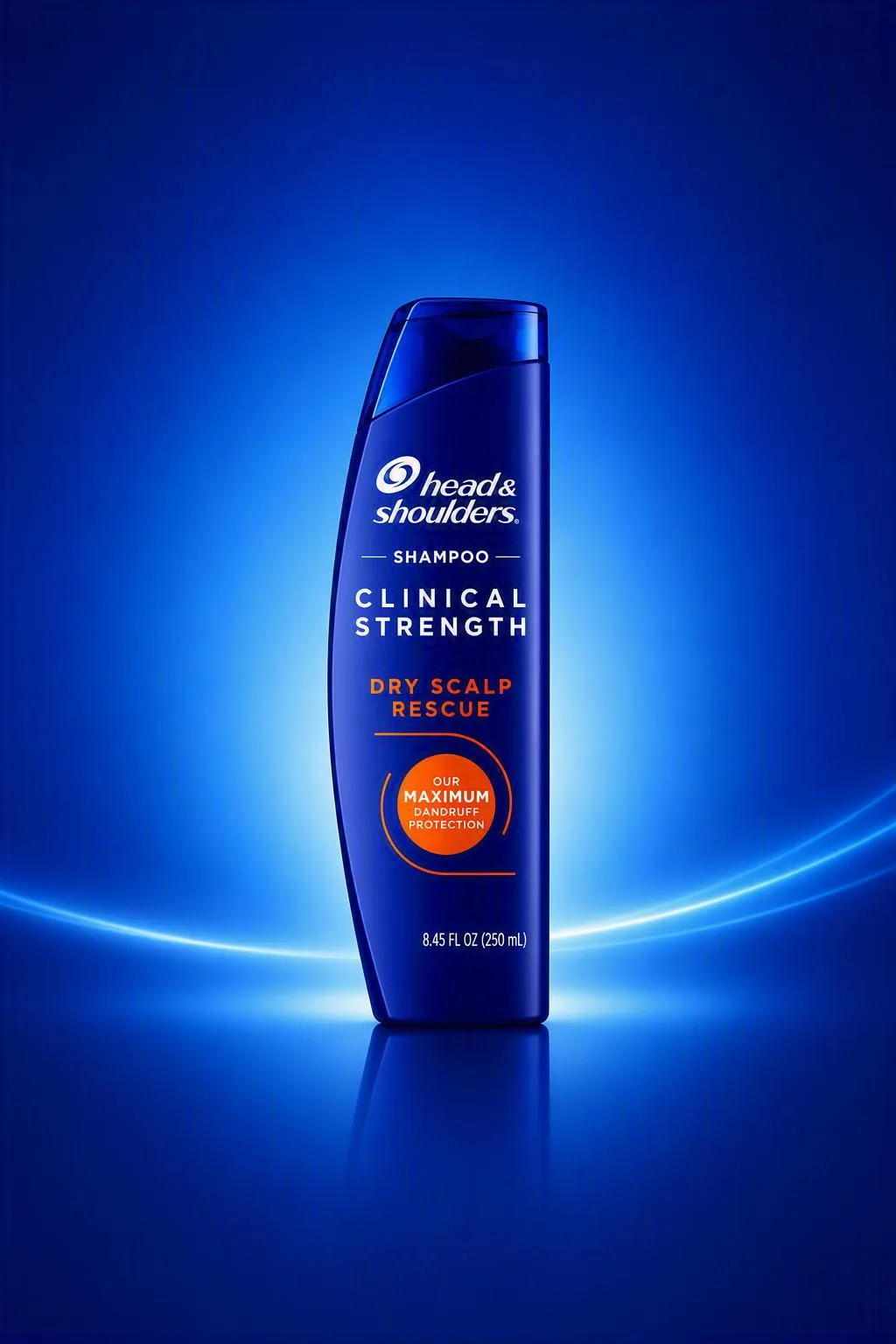
Opt for trusted formulations like Head & Shoulders, known for targeting the root cause of dandruff while being gentle enough for regular use.2. Cleanse regularly
Washing your hair 2–3 times a week helps prevent oil and build-up accumulation.3. Focus on the scalp, not just the hair
Massage shampoo into the scalp to ensure active ingredients work effectively.Why Choosing the Right Shampoo Matters
When dealing with dandruff linked to lifestyle factors like smoking, surface-level cleansing isn’t enough.
Head & Shoulders stands out as a reliable solution because:
● It targets the root cause of dandruff, not just visible flakes
● Helps restore scalp balance disrupted by oil and microbes
● Is backed by decades of expertise and trust in India
Using the right shampoo consistently can significantly reduce flakes, even when external triggers like smoking are present.
Lifestyle Changes That Support Scalp Health
Haircare alone isn’t enough; your lifestyle plays a crucial role.
● Reduce smoking frequency: Even a gradual reduction can improve circulation
● Stay hydrated: Helps maintain scalp moisture balance
● Eat nutrient-rich foods: Include leafy greens, nuts, and protein
● Manage stress levels: Stress can worsen both dandruff and hair fall
These changes work synergistically with your haircare routine.
Pro Tips to Protect Your Hair and Scalp
● Avoid scratching your scalp, it worsens flakes and irritation● Limit heavy styling products that cause build-up
● Use lukewarm water instead of hot water
● Be consistent with your anti-dandruff routine.
Final Thoughts
The connection between smoking and hair loss is real and often underestimated. Add to that the fact that smoking causes dandruff, and it becomes clear how deeply lifestyle habits can affect your scalp.If you’re dealing with persistent flakes, oiliness, or hair thinning, addressing both internal and external factors is key. While reducing smoking is the most impactful step, pairing it with a consistent routine using trusted solutions like Head & Shoulders can help restore balance and improve overall scalp health.