
Fungal Dandruff: Signs, Treatments & Prevention Tips
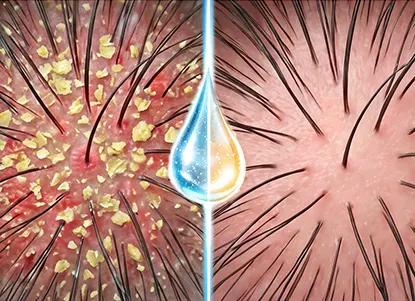
If you've ever found yourself scratching your scalp and noticing those pesky white or yellowish flakes falling down, chances are you've encountered dandruff. But today, we're focusing on a particularly stubborn type, known as fungal dandruff. We'll dig into what fungal dandruff really is, how it connects to regular dandruff and fungus, how to spot it, and most importantly, how to treat and prevent it effectively.
What Is Fungal Dandruff and How Is It Different?
Fungal dandruff isn't just your typical excessively dry or oily scalp. There's a fungus called Malassezia that is normally present harmlessly on everyone's scalp. However, sometimes it can go a bit overboard, especially when the scalp's environment changes—due to oiliness, sweat, humidity, and so on. This overgrowth disrupts the scalp's natural balance, leading to dandruff caused by fungi.
When this fungus gets a little too active, you might experience more severe flaking, itching, oiliness, or even inflammation; not just the occasional dry skin flakes. That's why fungal dandruff can be more persistent and tends to come back quickly.
Why Does Dandruff Due to Fungus Happen?
Here are some common culprits behind dandruff due to fungus:
1. Excess scalp oil (sebum)
The fungus thrives on the oils produced by your scalp. If your scalp is naturally oily or becomes oily due to sweat, pollution, or weather conditions, it creates a perfect breeding ground for the fungi.2. Stress & Hormonal Shifts
Stress might not cause dandruff directly, but it affects oil production and immunity, giving fungi a chance to grow.3. Weather Changes
Hot, humid climates boost oiliness. On the other hand, cold weather can dry out the scalp, triggering the scalp to produce an excessive amount of sebum to compensate for the dryness.4. Using Too Many Hair Products
Hair creams, styling gels, and serums, while great for styling, can clog the scalp and trap fungus-friendly moisture.5. Not Washing Hair Enough
Skipping washes allows oil, sweat, and dead skin to accumulate, making fungal growth easier.6. Medical Conditions
People with eczema, psoriasis, or compromised immunity may experience worse fungal dandruff.How To Tell If You Have Fungal Dandruff
If you're trying to figure out whether you have fungal dandruff or just a case of dry skin, here are some telltale signs to look out for:
● You might notice greasy or yellowish oily, sticky dandruff instead of dry flakes. This is because fungal dandruff often comes hand in hand with excess oil.
● Another sign is scalp itching, irritation, or a burning sensation. Fungal overgrowth can lead to inflammation, which causes these uncomfortable feelings.
● If you have an oily scalp along with those stubborn flakes, that’s another clue. Many people with fungal dandruff experience this combination.
● Keep an eye on how quickly the flakes return after washing. If you find yourself shampooing and then seeing flakes again within a day or two, it could be a sign that fungus is at play.
● Lastly, some people may experience scalp sensitivity or redness. The fungus can irritate the skin, leading to these symptoms.
If any of these signs resonate with you, it’s more likely that you’re dealing with dandruff caused by fungi.
Treatment Of Fungal Dandruff
When it comes to tackling fungal dandruff, the key is to focus on the fungus itself. Here’s a safe and effective way to handle it:
1. Use a Specialised Anti-dandruff Shampoo
Dermatologists often suggest shampoos that are packed with antifungal or scalp-cleansing ingredients like oxygenated charcoal. Aim to use these shampoos two to three times a week (or follow the instructions on the label) and remember to let the shampoo sit on your scalp for two to three minutes before rinsing. This gives the active ingredients a chance to do their job.
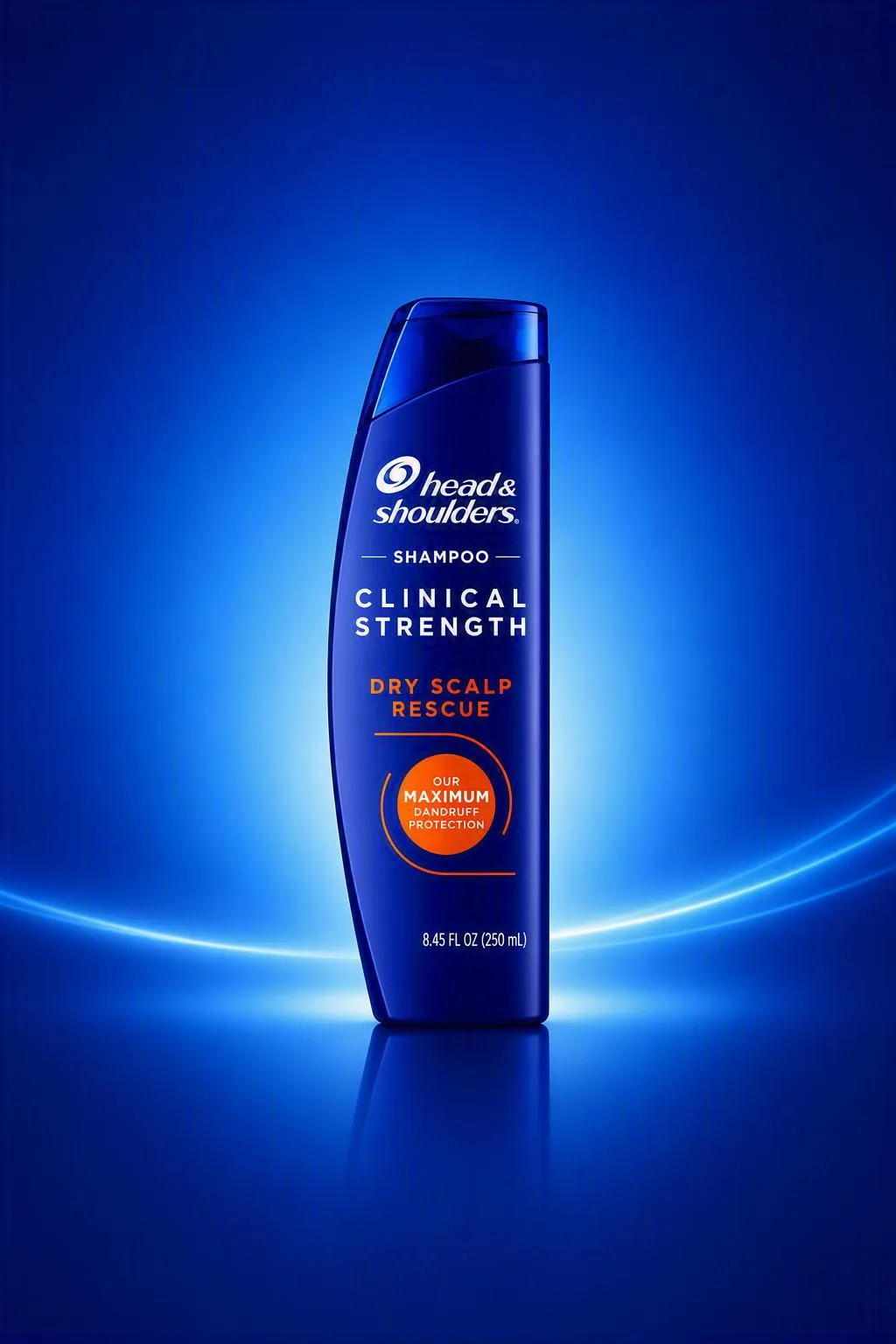
For instance, consider trying the Head & Shoulders Deep Cleanse Shampoo with Oxygenated Charcoal. This shampoo promises up to 100% protection against oily, sticky dandruff*. Its unique charcoal formula works to pull out excess oil, impurities, and the buildup that causes dandruff, making it a great choice if your dandruff is linked to oiliness and fungal growth.
This type of shampoo can be a solid pick if you think you’re dealing with fungal dandruff. It helps to deeply cleanse the scalp, cut down on oiliness, and create an environment that’s less inviting for fungus to thrive.
*Only visible flakes. With regular use of at least 3 times a week
2. Keep Up with Regular Scalp Hygiene
Make sure to wash your hair regularly based on your scalp type. If you have an oily or dandruff-prone scalp, washing your hair two to three times a week with a therapeutic shampoo can help keep the fungus in check and prevent buildup. Don’t forget to rinse thoroughly with cool water.
3. Steer Clear of Over-oiling The Scalp
When you’re dealing with fungal dandruff, especially if your scalp is flaking or itching, it’s best to avoid heavy oils or hair treatments that leave a residue. Oils can actually feed the fungus by adding extra sebum and trapping moisture.
4. Opt for Gentle, Non-irritating Products
Steer clear of harsh chemicals and heavy styling products that can throw your scalp off balance. Instead, go for mild shampoos and conditioners that are free from potentially triggering ingredients to help your scalp bounce back.
5. Adjust Your Hair Wash Frequency
If you notice your dandruff getting better, you can cut back to maintenance mode and go back to how you prefer washing your hair. But if those pesky flakes come back quickly, it’s time to ramp up your washing routine again.
6. When to See a Dermatologist
If you’re not seeing any improvement after three to four weeks of using the right shampoo, or if your scalp starts to look inflamed, red, or painful, it’s a good idea to consult a dermatologist. Sometimes, stubborn dandruff needs stronger medicated shampoos, scalp treatments, or even oral antifungals (with a doctor’s guidance).
Tips To Prevent Dandruff From Recurring
Once you’ve got your dandruff due to fungi under control, keeping it that way is crucial. Here’s how to lower the chances of those fungal dandruff flare-ups:
● Wash your hair regularly, but don’t go overboard with drying or cleaning.
● Use a gentle daily shampoo or a therapeutic one as needed, depending on how oily your scalp gets.
● Make sure to keep your scalp clean after workouts or heavy sweating. Rinse it out promptly if you sweat a lot.
● Avoid heavy oils or products that leave residue on your scalp, especially if you’re prone to dandruff.
● Always use clean combs or brushes, and steer clear of sharing hair tools.
● Keep your scalp hygiene balanced and don’t let oil, sweat, and dirt build up for too long.
Why This Approach Works
Fungal dandruff isn’t just about having a dry scalp ; it’s really about an imbalance in your scalp’s ecosystem. When fungus starts to take over, simply using regular shampoos often doesn’t cut it. A targeted shampoo (like the charcoal-based one) works in two key ways:
● It helps eliminate excess oil, buildup, and impurities.
● It contains active ingredients that specifically target and suppress fungal growth.
When you combine regular scalp hygiene with the right products, you create an environment where fungus struggles to survive, helping to keep those pesky flakes in check.
Summing it Up
If you find that your dandruff is stubborn, oily, flaky, or itchy, it could be fungal dandruff. The solution isn’t just occasional rinses or DIY remedies. What you really need is a consistent, medically-informed approach to scalp care.