
Oily Dandruff Explained: Causes, Symptoms & Solutions for Relief
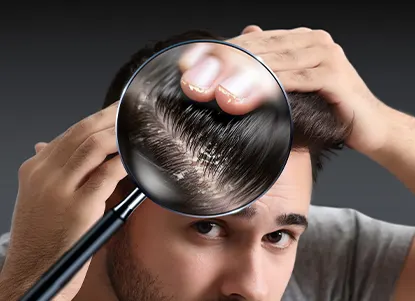
Most of us have probably faced dandruff-related issues at least once in our lives. However, not all dandruff problems are the same. The most common type of dandruff is dry dandruff, which is characterised by white flakes that tend to flake off and drift around. If your scalp feels greasy and the flakes are sticky or yellowish, you're likely dealing with oily dandruff—a persistent issue often tied to excess sebum (oil) production. Unlike dry dandruff, which flakes off easily, oily scalp dandruff sticks to the scalp and hair shafts, making it more noticeable and harder to treat.
If this is something you struggle with, this article is the perfect read for you. In this blog, we will talk about the causes, symptoms, and proven oily scalp dandruff treatments. But first, let’s start with the basics.
What Is Oily Dandruff?
Oily dandruff refers to greasy, sticky clumps of flakes that appear yellowish and stick to your nails upon scratching. While dry dandruff results from a dry scalp, oily dandruff is caused by the overproduction of sebum, mixed with dead skin cells. These oily flakes can trigger itching, irritation, and redness.
Causes Of Oily Scalp Dandruff
Understanding the root cause of an oily scalp is the first step toward choosing the right oily dandruff treatment. Oily scalp dandruff is a condition that is typically a result of multiple internal and external factors that lead to excessive oil production and scalp imbalance.
Factors contributing to the development of oily scalp dandruff include:
-
Overactive oil glands:
Excess oil production traps dead skin cells on the scalp, leading to greasy buildup and flakes that stick to the hair and scalp. -
Hormonal changes:
Fluctuations in hormones—especially androgens—can stimulate excess oil production. This often occurs during puberty, menstruation, pregnancy, or periods of high stress. -
Fungal growth:
Oily dandruff is strongly linked to the overgrowth of a yeast called Malassezia. This naturally occurring fungus lives on most scalps but thrives in greasy environments. When Malassezia grows out of balance, it can lead to scalp inflammation, irritation, and increased flaking. -
Infrequent washing:
Infrequent or improper washing can lead to a buildup of oil, dead skin cells, sweat, and styling products. This accumulation not only clogs pores but also contributes to scalp irritation and creates a perfect environment for fungal overgrowth. -
Heavy styling products:
Hair products like thick oils, styling gels, pomades, and waxes can coat the scalp, trap oil, and block pores. This buildup abrupts the scalp’s natural shedding process, leading to oily scalp dandruff. -
Environmental factors:
Exposure to pollution and high humidity can increase scalp oil production, making dandruff more difficult to manage.
Symptoms Of Oily Dandruff
Here’s how you can tell if you’re dealing with oily dandruff:
● Yellowish, greasy flakes that stick to your scalp and hair
● Itching or mild discomfort, especially around the hairline or behind the ears
● Oily or greasy scalp and hair appearance
● Persistent flakes even after washing
● In some cases, redness or irritation
Who’s More Likely to Experience Oily Dandruff?
Oily dandruff can affect anyone, but some people are more prone to it. People with naturally oily skin, hormonal imbalances, or underlying skin conditions like psoriasis or eczema may be more vulnerable to frequent flare-ups. Adolescents and young adults are also more susceptible due to increased sebum production during puberty. Observing your skin and hair type and overall health conditions, you can determine how likely you are to experience oily, sticky dandruff.
Oily Scalp Dandruff Treatments That Actually Work
The ideal approach to oily scalp dandruff treatment focuses on controlling oil production, removing buildup and keeping the scalp clean. Here are a few things that have proven to be helpful with oily dandruff.
1. Targeted shampoos
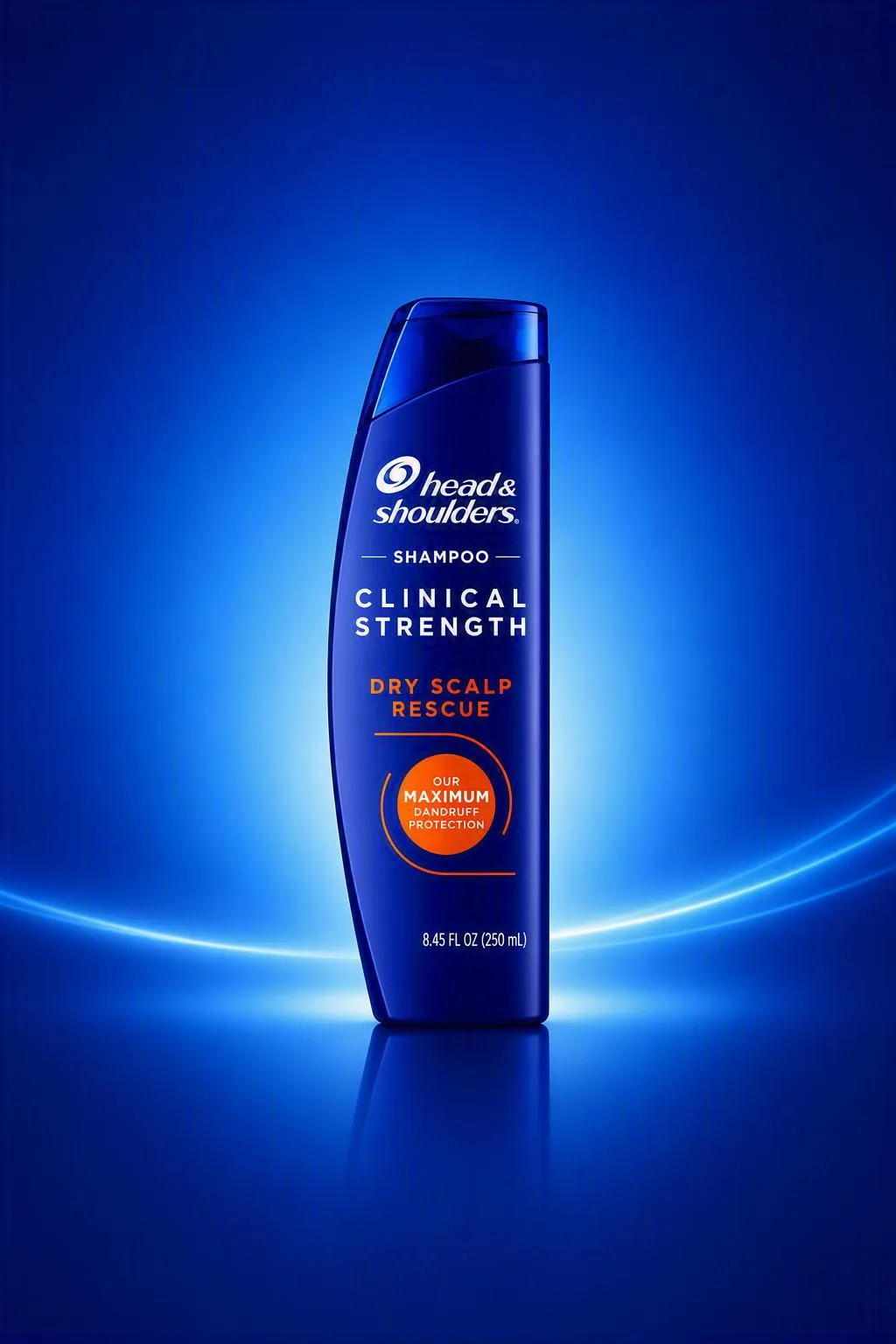
This is the easiest and, if done right, a highly effective oily dandruff treatment method. You can use targeted shampoos that are specifically formulated for oily dandruff. Look for ingredients like oxygenated charcoal and Piroctone Olamine that are known for their deep cleansing properties. The Deep Cleanse Anti-Dandruff Shampoo by Head & Shoulders contains both these ingredients and is specially formulated to treat oily dandruff. It fights dandruff-causing microbes and treats the problem at the root, preventing it from coming back. It goes 5 layers deep and gives up to 100% freedom from oily scalp dandruff*.
*Only visible flakes. With regular use of at least 3 times a week.
2. Regular hair washing
Regularly washing your hair is crucial for regulating oil production and preventing the buildup of dead skin cells and styling products. Use gentle, targeted shampoos to cleanse your scalp twice or thrice a week, or as required for your hair type. When it comes to hair washing frequency, listen to your hair’s unique needs.
Pro tip: Do not use hot water to wash your hair. It can dry out the scalp and trigger even more sebum production. Opt for lukewarm water and cleanse thoroughly.
3. Steer clear of heavy hair products
If you style your hair frequently and need to use styling products for it, you may want to switch to lighter and gentler products. Heavy oils, waxes, and creams can trap oil and debris on the scalp, worsening oily dandruff. Instead, opt for lightweight, non-comedogenic products that won't clog pores or contribute to excess buildup.
Summing It Up
Dealing with recurring oily scalp dandruff can feel like a never-ending struggle, but with the right products and approach, it is manageable. By understanding the root causes and sticking to a consistent anti-dandruff routine, you can get permanent relief from oily dandruff. If you're noticing persistent symptoms, consider switching to a shampoo formulated specifically for oily scalp dandruff treatment and stay consistent with it. And when in doubt, consult a dermatologist to find the best approach for your scalp’s needs.