
Seborrheic Dermatitis vs Dandruff: Key Differences You Should Know
Flakes on your shoulders, an itchy scalp, and persistent irritation often get labelled as “dandruff.” But in many cases, what people call dandruff might actually be something slightly different. Understanding seborrheic dermatitis vs dandruff is essential if you want to choose the right hair care routine and the right shampoo.
While both conditions involve flaking and scalp irritation, they are not always identical. In fact, the confusion around dandruff vs seborrheic dermatitis is one of the most common reasons people struggle to treat scalp flakes effectively.
In this guide, we’ll break down the key differences between seborrheic dermatitis and dandruff, their causes, symptoms, and how you can manage them with the right hair care approach.
What Is Dandruff?
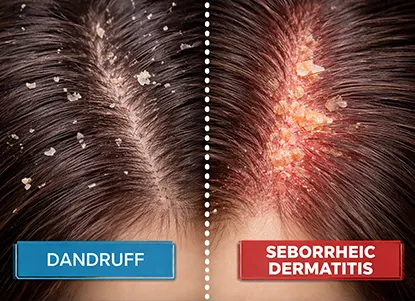
Dandruff is a common scalp condition characterised by mild flaking and itching. It usually appears as small white flakes that fall from the scalp onto the hair or clothing.
Dandruff is typically linked to an overgrowth of a yeast-like fungus called Malassezia, which lives naturally on the scalp. When this fungus multiplies excessively, it disrupts the scalp’s natural balance and speeds up skin cell turnover, causing flakes.
Common Signs of Dandruff
People with dandruff often notice:
-
Small, dry white flakes on the scalp or shoulders
-
Mild itching on the scalp
-
Flakes that appear more when the scalp is dry
-
Symptoms that worsen in winter or dry weather
Dandruff tends to be milder and more localised than seborrheic dermatitis and is usually limited to the scalp.
What Is Seborrheic Dermatitis?
Seborrheic dermatitis is a more intense inflammatory skin condition that affects oily areas of the body. While it commonly appears on the scalp, it can also occur on the eyebrows, sides of the nose, ears, and chest.
This condition also involves the Malassezia fungus, but the body’s inflammatory response is stronger, which leads to redness, greasy flakes, and irritation.
Common Signs of Seborrheic Dermatitis
Seborrheic dermatitis symptoms are usually more noticeable and persistent:
-
Yellowish or greasy flakes
-
Red, inflamed skin
-
Persistent itching
-
Flaky patches on the scalp, eyebrows, ears, or beard area
-
Skin that looks oily or irritated
This is why many people wonder, “are dandruff and seborrheic dermatitis the same?” The short answer is no.
Seborrheic Dermatitis vs Dandruff: Quick Comparison
To clearly understand seborrheic dermatitis vs dandruff, here’s a simple comparison table:| Feature | Dandruff | Seborrheic Dermatitis |
|---|---|---|
| Severity | Mild | Moderate to severe |
| Flake Type | Small, dry, white flakes | Greasy, yellowish flakes |
| Redness | Rare | Common |
| Itching | Mild | Moderate to intense |
| Skin Inflammation | Minimal | Noticeable inflammation |
| Affected Areas | Mostly scalp | Scalp, eyebrows, nose, ears, chest |
This comparison highlights the main distinction in dandruff vs dermatitis: dandruff is typically a scalp issue, while seborrheic dermatitis is a broader inflammatory condition.
Why Do These Conditions Happen?
Both dandruff and seborrheic dermatitis share similar underlying triggers, but their severity varies depending on how the scalp reacts. Common causes include:
1. Malassezia Overgrowth
This natural yeast feeds on scalp oils. When it multiplies excessively, it can trigger irritation and flakes.2. Excess Oil Production
Oily scalps create the perfect environment for yeast to thrive, increasing the likelihood of flakes.3. Weather Changes
Cold, dry climates often worsen dandruff symptoms.4. Stress and Hormones
Hormonal fluctuations and stress can affect scalp oil levels and skin sensitivity.5. Product Build-Up
Heavy styling products or infrequent washing can trap oil and dead skin cells.How to Tell If You Have Dandruff or Seborrheic Dermatitis
If you’re unsure whether your flakes are simple dandruff or something more persistent, pay attention to these clues.
It’s More Likely Dandruff If:
-
The flakes are dry and powdery
-
The scalp is not very red
-
Flaking is mostly limited to the scalp
-
Symptoms improve quickly with anti-dandruff shampoo
It May Be Seborrheic Dermatitis If:
-
Flakes look yellow or greasy
-
Skin appears red or irritated
-
Flakes appear in other oily areas of the face
-
The condition keeps coming back frequently
Understanding these signs can help clarify the confusion around whether dandruff and seborrheic dermatitis are the same.
The Role of Scalp Oil in Flake Formation
One factor that plays a big role in both conditions is excess scalp oil. When oil combines with dead skin cells and fungal growth, it can create the sticky, stubborn flakes people often mistake for severe dandruff.
This is why deep-cleansing anti-dandruff shampoos are often recommended for oily scalps.
How the Right Shampoo Can Help
Regular cleansing with an effective anti-dandruff shampoo is one of the most important steps in managing flakes.
A shampoo formulated for deep scalp cleansing can:
-
Remove excess oil
-
Reduce fungal growth
-
Lift away stubborn flakes
-
Restore scalp balance
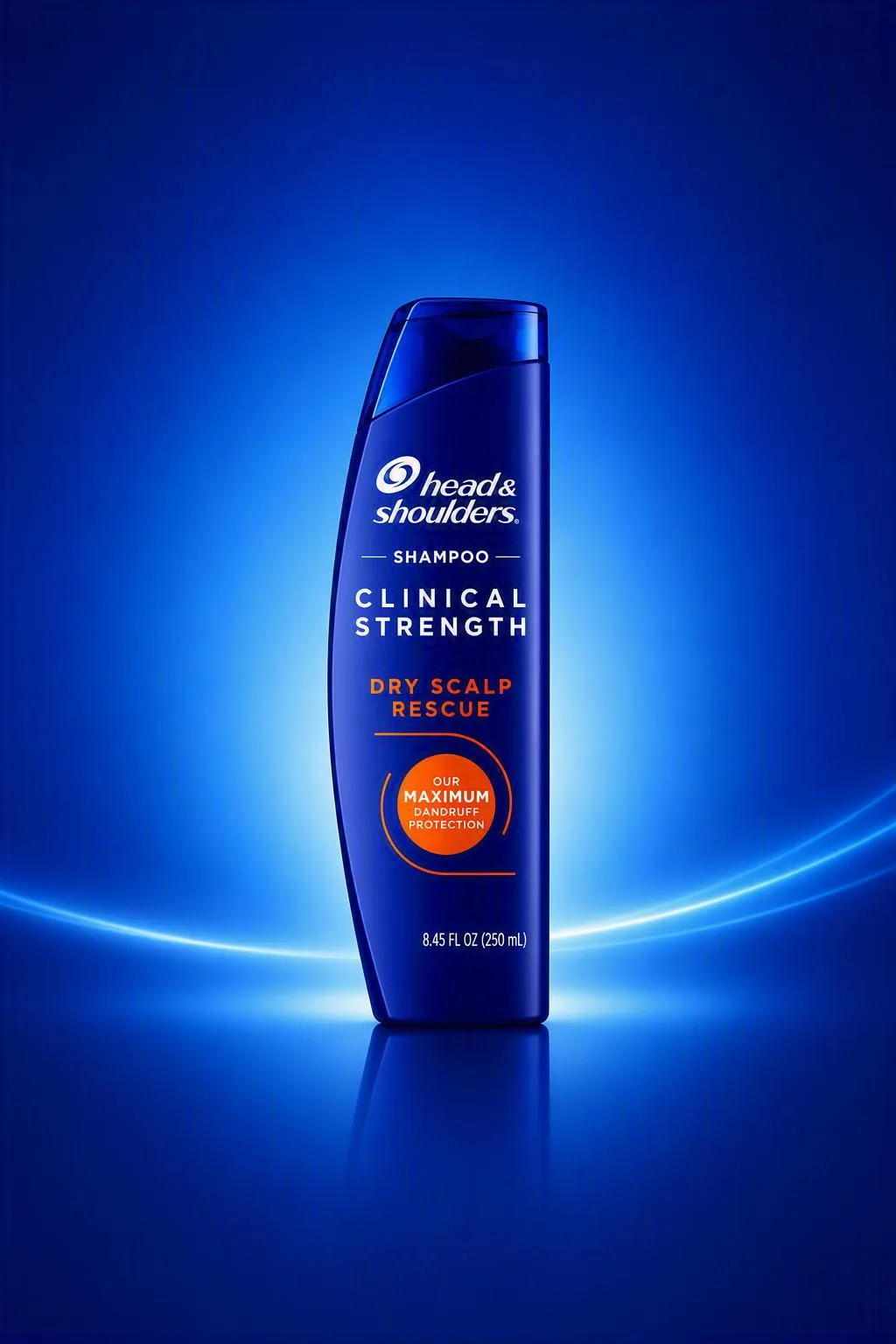
For people dealing with oily, sticky flakes, Head & Shoulders Deep Cleanse Shampoo is specifically designed to tackle stubborn dandruff. Powered with oxygenated charcoal, it helps detoxify the scalp while removing oil build-up that can worsen flaking.
Why It Works Well for Oily Dandruff
Head & Shoulders Deep Cleanse Shampoo helps by:
-
Deeply cleansing oily scalp residue
-
Removing sticky dandruff flakes
-
Helping restore scalp freshness
-
Supporting long-lasting flake protection
As India’s most trusted legacy anti-dandruff brand, Head & Shoulders has built a reputation for reliable dandruff protection across a wide range of scalp types.
Scalp Care Tips to Manage Flakes
Whether you’re dealing with dandruff or mild seborrheic dermatitis, a consistent scalp care routine can make a noticeable difference.
Practical Tips for a Healthier Scalp
-
Wash your hair regularly to control oil build-up
-
Use a clinically proven anti-dandruff shampoo
-
Avoid heavy styling products that clog the scalp
-
Reduce excessive scratching, which can irritate skin
-
Maintain a balanced diet and manage stress levels
Consistency is key—most scalp conditions improve with regular, targeted care rather than occasional treatment.
When Should You See a Dermatologist?
In most cases, dandruff can be managed with the right shampoo and routine. However, it’s best to consult a dermatologist if:
-
Flaking becomes severe or painful
-
The scalp develops thick, crusty patches
-
Symptoms spread to multiple parts of the body
-
Anti-dandruff shampoos don’t improve the condition
Persistent seborrheic dermatitis may require medicated treatments prescribed by a professional.
Final Thoughts
Understanding the seborrheic dermatitis vs dandruff debate can help you choose the right approach to treating scalp flakes. While both conditions share similarities, dandruff is usually milder and limited to the scalp, whereas seborrheic dermatitis involves stronger inflammation and can affect multiple oily areas of the skin.
If your flakes are mild, consistent use of an effective anti-dandruff shampoo—such as Head & Shoulders Deep Cleanse Shampoo—can help control oil, remove flakes, and maintain a healthy scalp environment.
With the right knowledge and scalp care routine, you can keep flakes under control and enjoy healthier, more comfortable hair days.
FAQs
1. How to tell the difference between dandruff and seborrheic dermatitis?
Dandruff usually appears as small, dry white flakes with mild itching and is limited to the scalp. Seborrheic dermatitis often causes greasy yellow flakes, redness, and inflammation, and may also affect areas like the eyebrows, ears, and sides of the nose.
2. Is seborrheic dermatitis oily or dry scalp?
Seborrheic dermatitis is typically linked to an oily scalp. Excess sebum creates an environment where yeast can thrive, leading to greasy flakes and irritation.
3. Can seborrheic dermatitis be cured permanently?
Seborrheic dermatitis is usually a chronic condition, meaning it may come and go over time. However, it can be effectively managed with the right scalp care routine and medicated or anti-dandruff shampoos.
4. What calms down seborrheic dermatitis?
Regular cleansing with an anti-dandruff shampoo, reducing scalp oil build-up, and avoiding harsh hair products can help calm seborrheic dermatitis. In more persistent cases, dermatologists may recommend medicated treatments.
5. Is it better to wash hair more or less with seborrheic dermatitis?
Washing hair regularly is generally recommended because it helps remove excess oil, flakes, and yeast build-up from the scalp. Using a targeted anti-dandruff shampoo can further help keep symptoms under control.