Everything About Dandruff: Types, Causes, Treatments and How to Get Rid of It
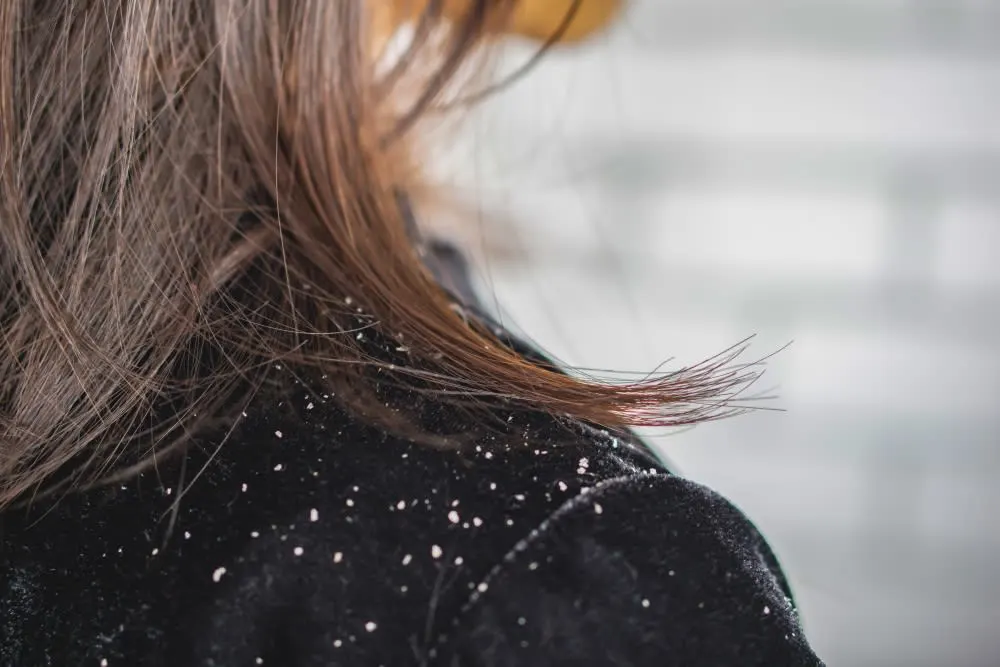
Dandruff affects 3-12% of the global population, is more common in males, and peaks in young adulthood. It is not caused by poor hygiene. Understanding the science behind it is the fastest route to getting it under control.
Table of Contents
What Is Dandruff and How Does It Form?
Hair Dandruff Types — Know What You Are Dealing With
Causes of Dandruff — Beyond the Basics
Treatment — Active Ingredients and How They Work
Dandruff vs. Lice — How to Tell the Difference
Prevention and Why Dandruff Keeps Coming Back
What Is Dandruff and How Does It Form?
Dandruff is a mild form of seborrheic dermatitis. At its root is Malassezia globosa — the fungus that causes dandruff. This yeast lives naturally on every scalp and feeds on sebum, breaking it down into oleic acid. In sensitive individuals, oleic acid irritates the scalp, triggering a cycle that keeps repeating:
-
Irritated scalp produces more oil which leads to more food for Malassezia
-
Malassezia overgrows resulting in skin cells to die and shed faster than normal
-
Dead cells mix with oil and yeast and you get visible flaking and more irritation
The dandruff and scalp microbiome connection is key: when Malassezia dominates — driven by excess oil, humidity, or hormonal shifts — the balance tips and the cycle begins. Why do I have dandruff all of a sudden? Usually a change in one of these factors is enough to trigger it.
Key Takeaways
-
Dandruff is a mild form of seborrheic dermatitis driven by Malassezia globosa creating a self-reinforcing cycle of oil, irritation, and flaking
-
When Malassezia dominates the scalp microbiome, the balance tips and flaking begins
-
Sudden flare-ups are usually triggered by a change in stress, season, or hair product
Hair Dandruff Types — Know What You Are Dealing With
Identifying which type you have is the first step to choosing the right treatment:
| Type | Appearance | Key Cause | India Relevance |
|---|---|---|---|
| Dry Scalp Dandruff | Small, white, powdery flakes | Moisture loss, cold or dry air, over-shampooing | Winter, AC offices, hard water cities |
| Oily Dandruff | Yellowish, greasy clumps stuck to scalp | Excess sebum + Malassezia overgrowth | Monsoon humidity, heavy oiling habits |
| Fungal Dandruff | Large white flakes, intense itching | Malassezia yeast overgrowth | Sweat-prone scalps, helmet users |
| Cradle Cap (Infants) | Red-yellow plaques, greasy scales | Common in first 3 months; resolves by 8-12 months | Common in Indian newborns |
| Beard Dandruff | Flakes in facial hair and on chin | Same Malassezia-sebum cycle on facial skin | Common in Indian men with beards |
Key Takeaways
-
Five distinct types: dry scalp, oily, fungal, cradle cap, and beard dandruff — each needing a different treatment
-
Oily dandruff is most common in India's monsoon humidity; dry scalp worsens in winter and AC environments
-
Identifying your type before treating is essential — the wrong approach can worsen symptoms
Causes of Dandruff — Beyond the Basics
Malassezia globosa is the root cause, but several factors determine how aggressively it grows:
-
Androgen hormones — higher levels drive more oil; levels spike during PCOS, puberty, and stress
-
Stress — cortisol raises sebum production, feeding Malassezia and worsening flaking directly
-
Washing frequency — both over washing and under washing trigger dandruff through different pathways
-
Neurological conditions — Parkinson's disease significantly increases dandruff risk
-
India-specific triggers — monsoon humidity, pollution, hard water, and heavy oiling all accelerate the Malassezia cycle
Can dandruff cause headaches? Persistent scalp inflammation and intense itching can cause tension and discomfort that some people experience as a headache. Treating the dandruff typically resolves this.
Key Takeaways
-
Androgens, stress-driven cortisol, and washing frequency imbalances are the most common triggers beyond Malassezia
-
India-specific factors — humidity, pollution, hard water, and heavy oiling — all accelerate the cycle
-
Neurological conditions and a family history of dermatitis also increase risk significantly
Treatment — Active Ingredients and How They Work
The most effective treatments target the fungus that causes dandruff directly. Here is how the key active ingredients compare:
| Ingredient | How It Works | Best For |
|---|---|---|
| Piroctone Olamine (PO) | Iron chelation starves Malassezia; antioxidant properties; rebalances scalp microbiome after 3 weeks | All dandruff types — H&S's active ingredient |
| Salicylic Acid | Exfoliates dead skin cells and reduces scaling | Buildup dandruff, dry flaking |
| Coal Tar | Slows cell overproduction; anti-inflammatory | Chronic dandruff, scalp psoriasis |
| Ketoconazole | Inhibits fungal cell membrane synthesis | Severe or prescription cases |
| Selenium Sulphide | Reduces yeast activity and slows cell turnover | Oily and fungal dandruff |
Treatment hierarchy: mild dandruff responds to a shampoo change. Moderate cases need OTC PO shampoo 2-3 times per week, left on for 3-5 minutes. Severe cases, including heavy hair fall due to dandruff or spreading redness, may require prescription treatments such as betamethasone or calcineurin inhibitors.
Are there dermatologist-approved shampoos for severe dandruff? Yes, Piroctone Olamine shampoos are the first-line dermatologist recommendation. If there is no improvement after 4-6 weeks, see a specialist who can assess whether prescription-strength treatment is needed.
Key Takeaways
-
Piroctone Olamine (PO) starves Malassezia, reduces inflammation, and rebalances the microbiome after three weeks
-
Mild cases need a shampoo change; moderate cases need OTC PO shampoo 2-3x per week; severe cases may need prescription treatment
-
Leaving shampoo on for 3-5 minutes is the step most people skip and the most important one
Dandruff vs. Lice — How to Tell the Difference
| Feature | Dandruff | Lice |
|---|---|---|
| What it is | Skin condition (flaking) | Parasitic insect infestation |
| Flake/nit attachment | Loose — falls off easily | Firmly cemented to hair shafts |
| Colour | White or yellowish | Tan or brown (live); white (hatched) |
| Location | Anywhere on scalp | Behind ears, nape of neck |
| Contagious? | No | Highly contagious |
| Common in | Adults | Children aged 3-12 |
Key Takeaways
-
Dandruff flakes fall off easily; lice nits are cemented to the hair shaft and will not dislodge
-
Dandruff is not contagious; lice are highly contagious and spread through direct contact
-
Lice cluster behind the ears and nape; dandruff appears across the whole scalp
Prevention and Why Dandruff Keeps Coming Back
Dandruff is a chronic condition — stop managing the triggers, and the cycle restarts. Consistent use of a PO-based shampoo, even after symptoms improve, is the most reliable way to prevent dandruff in hair from returning.
Additional tips that help:
-
Scalp massage boosts circulation; 15 minutes of daily sun exposure may reduce Malassezia activity
-
Track stress triggers 72% of seborrhoeic dermatitis sufferers cite stress as a direct cause of flare-ups
-
For a shaved or balding scalp: wash daily with a gentle PO shampoo and moisturise post-wash the same Malassezia-sebum cycle applies to hairless skin
Key Takeaways
-
Stop managing the triggers and Malassezia overgrows — the cycle restarts
-
Consistent PO shampoo use, even after symptoms clear, is the most reliable prevention strategy
-
Scalp massage, stress tracking, and daily sun exposure all support a healthier scalp between washes
Dandruff is a chronic condition, but it is one of the most manageable. The right shampoo, like the Head & Shoulder like the Lemon Fresh Anti-Dandruff Shampoo, if used correctly and consistently can resolve most cases within three to four weeks. A Piroctone Olamine-based shampoo like Head and Shoulders targets Malassezia at the root, rebalances the scalp microbiome, and prevents the cycle from restarting. The sooner you identify your dandruff type and start the right treatment, the sooner it stops being something you think about at all.
Frequently Asked Questions
What are the different hair dandruff types?
Five types: dry scalp dandruff (white powdery flakes), oily dandruff (yellowish greasy clumps), fungal dandruff (Malassezia-driven intense itching), cradle cap (infants), and beard dandruff. Each type has a different root cause and treatment approach.
Does dandruff cause hair fall or hair loss?
Dandruff itself does not directly cause hair loss, but the itching and chronic inflammation it triggers can damage follicles and cause temporary shedding. Treating the underlying condition with a PO-based shampoo typically reverses the hair fall within 3-6 months.
How to remove dandruff quickly?
The fastest approach is a PO anti-dandruff shampoo — itch relief is typically felt within 24-48 hours, with visible flake reduction in 1-2 weeks. Leave the shampoo on the scalp for 3-5 minutes before rinsing, and use 2-3 times per week for consistent results.
What is the fungus that causes dandruff?
Malassezia globosa — a yeast naturally present on every scalp that feeds on sebum and produces oleic acid, triggering irritation and flaking in around 50% of people. A PO-based shampoo is the most effective way to control it.