
10 Dermatologist-Approved Home Remedies for Dandruff That Actually Work
Dandruff is not caused by poor hygiene. It is linked to Malassezia globosa, a scalp fungus that feeds on oils and triggers flakes, itching, and irritation. Home remedies to cure dandruff may help manage symptoms, but dermatologists recommend pairing them with anti-dandruff shampoo for better control. Dermatologists note that natural remedies may support scalp health, but persistent dandruff often benefits from clinically proven anti-dandruff actives. Which is why pairing home remedies with clinically proven methods, such as anti-dandruff shampoos, is a better approach. Listed below are 12 science-backed home remedies, with the research behind each.
Table of Contents
Understanding Dandruff Before Treating It
12 Science-Backed Home Remedies for Dandruff
Dandruff Home Remedies — Seasonal Guide for India
Common Mistakes When Using Dandruff Home Remedies
When Home Remedies Aren’t Enough
Understanding Dandruff Before Treating It
| Type | Signs | Best Approach |
|---|---|---|
| Dry dandruff | Fine white flakes | Hydration + gentle cleansing |
| Oily/Sticky dandruff | Yellow, greasy buildup | Oil control + antifungal care |
| Fungal dandruff | Itching, redness, scaling | Anti-fungal treatment |
Humidity, pollution, hard water, over-oiling, and irregular washing can worsen dandruff in India. Mild cases may respond to remedies to remove dandruff; severe itching, scalp redness, or heavy hair fall due to dandruff may need medical care.
Key Takeaway
- Dandruff has three distinct types — dry, oily/sticky, and fungal — each requiring a different treatment approach
- Indian climate factors like humidity, pollution, hard water, and over-oiling are common triggers that worsen existing flaking
- Persistent symptoms, severe itching, or heavy hair fall due to dandruff should be assessed by a dermatologist rather than managed at home alone
10 Science-Backed Home Remedies for Dandruff
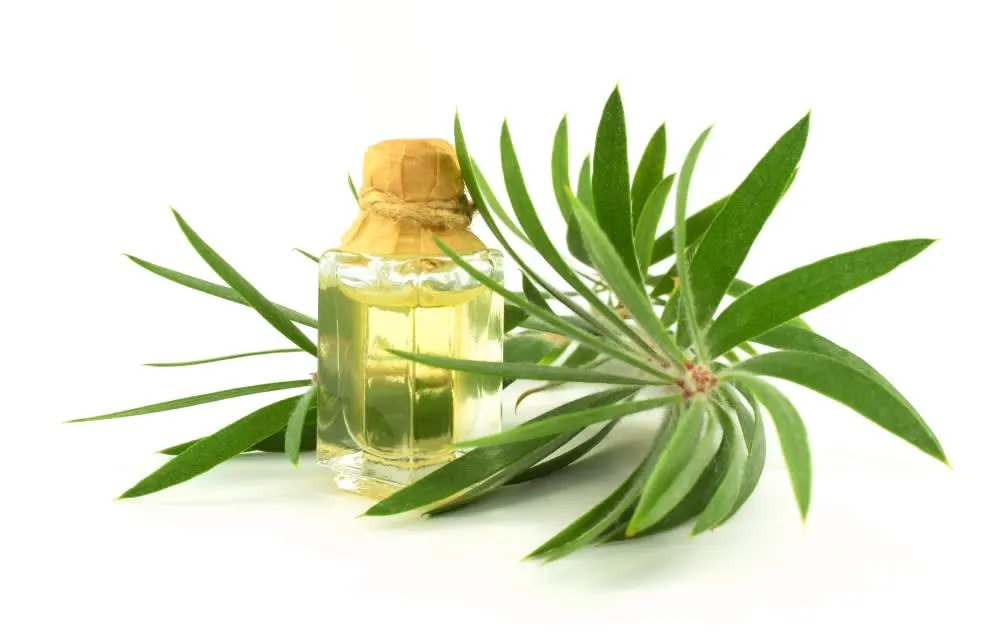
1. Tea Tree Oil
— Rich in terpinen-4-ol, known for antimicrobial activity. Studies show reduced flaking. Mix 2–3 drops per tablespoon of carrier oil, apply for 20 minutes, rinse. Never use undiluted.2. Coconut Oil
— Lauric acid supports scalp moisture. A 2021 study linked coconut oil to better scalp health. Use as a pre-wash treatment for how to remove dry dandruff. However, if you want to get rid of oily dandruff, avoid using coconut oil.3. Aloe Vera
— A 2019 review of 23 trials highlighted its soothing and moisture-retention benefits. Apply fresh gel or an aloe-honey-yogurt mask. Good among home remedies for dandruff and itchy scalp.4. Neem
— Neem’s azadirachtin compound shows antifungal properties. Apply neem paste for 30 minutes or use cooled neem water post-wash. Helpful for how to prevent dandruff in hair. Shampoos like the Neem Anti-Dandruff Shampoo are formulated with neem to help you with your dandruff issue.5.Lemongrass Oil
— Research suggests lemongrass oil may reduce dandruff severity. Add a few diluted drops to shampoo. Patch test first.6. Lemon Juice
— Vitamin C and mild acidity help balance scalp pH and lift buildup. Dilute with water, leave for 10 minutes, rinse. Avoid sun exposure immediately after use. The Lemon Fresh Anti-Dandruff Shampoo may be just the solution you need for a clean scalp with lemony freshness.7. Apple Cider Vinegar (ACV)
— Acetic acid may balance scalp pH and loosen buildup. Mix 1:1 with water, leave for 15 minutes, rinse. A useful answer for how to remove sticky dandruff from the scalp.8. Fenugreek (Methi) Seeds
— Rich in lecithin, protein, and nicotinic acid. Soak overnight, make a paste, and apply for 30 minutes. A traditional option for how to cure dandruff naturally.9. Aspirin / Salicylic Acid
— Salicylic acid exfoliates flakes and oil. Crush 2 uncoated aspirin tablets into shampoo, leave 3 minutes, rinse. Do not overuse on sensitive scalps.10. Baking Soda
— Acts as a mild exfoliant to remove excess oil and dead skin. Use sparingly; high pH may dry the scalp.
In Summary
From tea tree oil and aloe vera to neem, ACV, and omega-3-rich foods, these science-backed remedies may help manage dandruff by targeting flakes, excess oil, dryness, and scalp irritation. While natural treatments can support scalp health and help control symptoms, consistency and proper usage matter, and stubborn dandruff may still need clinically proven anti-dandruff care.
Why Home Remedies Aren’t Enough
- Home remedies may help soothe the scalp, reduce dryness, or temporarily minimise visible flakes, but they do not always address the underlying causes of dandruff.
- Dandruff is often linked to an overgrowth of Malassezia, a naturally occurring yeast on the scalp. Most home remedies are not clinically proven to control this microbial imbalance.
- Results from DIY treatments can vary significantly from person to person, depending on scalp type, dandruff severity, and consistency of use.
- Some ingredients commonly used in home remedies, such as lemon juice or undiluted essential oils, may irritate sensitive scalps and potentially worsen symptoms.
- Persistent dandruff, recurring flakes, scalp redness, itching, or irritation may require a more targeted and scientifically formulated approach.
- If there’s no improvement after 4 weeks, switch to a clinically proven anti-dandruff shampoo.
- For ongoing dandruff concerns, choosing a trusted anti-dandruff solution such as Head & Shoulders can help target flakes, itchiness, and scalp imbalance while supporting long-term scalp health. The Lemon Fresh Anti-Dandruff Shampoo or the Cool Menthol Anti-Dandruff Shampoo are two products you can consider to tackle dandruff.
Why You Should Use Anti-Dandruff Shampoos?
- Dermatologists often recommend anti-dandruff shampoos because they contain clinically tested active ingredients designed to address the root causes of dandruff.
- Unlike regular shampoos, anti-dandruff shampoos do more than simply remove visible flakes from the hair and scalp.
- They help target factors associated with dandruff, including excess oil, scalp build-up, and the overgrowth of Malassezia, a fungus linked to flaking and irritation.
- The active ingredients in anti-dandruff shampoos can help reduce visible dandruff flakes and provide relief from scalp itchiness.
- Regular use helps maintain a healthier scalp environment, making dandruff less likely to return.
- Consistent use can help control recurring flakes, minimise scalp discomfort, and keep hair looking clean and fresh.
- Anti-dandruff shampoos offer a more targeted and scientifically backed approach than home remedies alone.
- Formulas with Piroctone Olamine target the fungus behind flakes while complementing home remedies to cure dandruff.
- If home remedies have not provided lasting relief from dandruff, itching, or irritation, switching to an anti-dandruff shampoo can be an effective next step.
Dandruff management is not about quick fixes; it’s about understanding your scalp type, choosing the right remedies, and staying consistent with your routine. From tea tree oil, neem, and aloe vera to clinically proven anti-dandruff shampoos, combining natural support with science-backed care can help keep flakes under control. Pairing healthy scalp habits and supportive home remedies with a proven anti-dandruff shampoo can help provide more comprehensive and reliable dandruff control.
If symptoms persist, worsen, or lead to heavy hair fall due to dandruff, consult a dermatologist for the right diagnosis and treatment plan.
FAQs
What are the best home remedies for dandruff and an itchy scalp?
Tea tree oil, aloe vera, and apple cider vinegar are among the most effective home remedies for dandruff and itchy scalp because they target irritation, scalp pH, and flaking.
How to get rid of sticky dandruff?
If you want to know how to get rid of oily or sticky dandruff, use diluted ACV, avoid heavy oiling, and choose an anti-dandruff shampoo. Sticky dandruff often means excess sebum.
How to cure dandruff naturally?
To know how to cure dandruff naturally, use remedies like neem, tea tree oil, or aloe 2–3 times weekly. Natural methods control symptoms but may not permanently cure dandruff.
Are there natural remedies or medical treatments for dry scalp and dandruff that actually help hair growth?
Yes — indirectly. Treating dandruff reduces inflammation that can contribute to shedding and creates a healthier environment for hair growth.
Does stress make dandruff worse or trigger more flakes, and how can I manage it?
Yes. Stress can raise cortisol, increase sebum, and worsen Malassezia growth. Prioritise sleep, exercise, helmet hygiene, and post-gym hair washing.
Can I prevent hair loss if I have dandruff, and which products work best?
Dandruff can lead to scalp irritation and itching, which may contribute to hair fall caused by scratching and scalp stress. Head & Shoulders Lemon Fresh Anti-Dandruff Shampoo and Cool Menthol Anti-Dandruff Shampoo can help you fight flakes and reduce scalp discomfort.
Show References
- Home remedies for a dry scalp. MedicalNewsToday.https://www.medicalnewstoday.com/articles/home-remedies-for-a-dry-scalp
- Dandruff Treatment. WebMD. https://www.webmd.com/skin-problems-and-treatments/understanding-dandruff-treatment