
How to Treat Severe Dandruff Effectively: Proven Solutions for Long-Lasting Relief
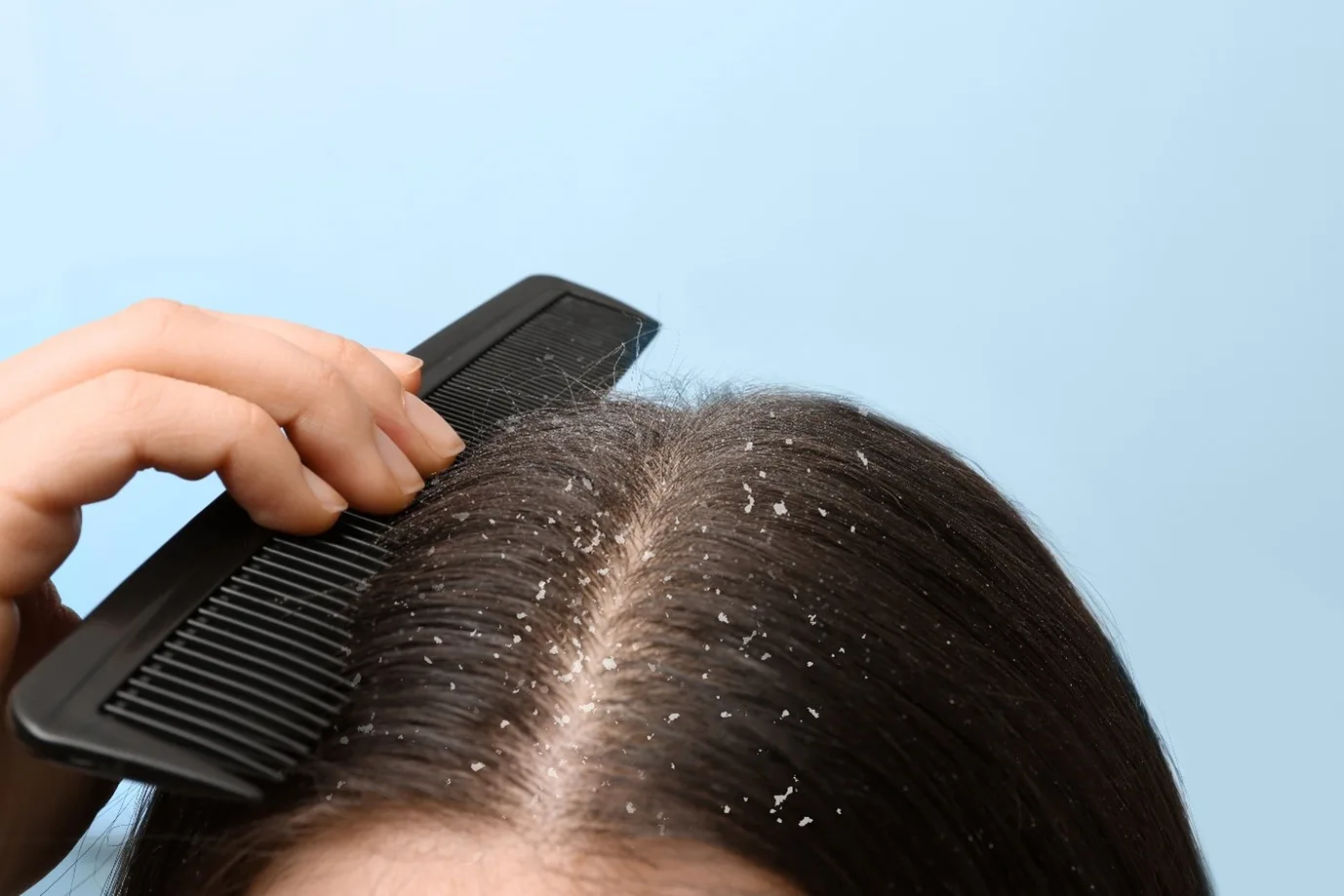
A few flakes on your shoulders can be annoying, but severe dandruff is a different challenge altogether. Persistent white or yellow flakes, intense itching, scalp irritation, and recurring flare-ups can affect confidence and make hair care difficult.
In India, hot weather, humidity, sweat, pollution, and frequent oiling can sometimes worsen scalp issues. The good news is that severe dandruff can often be controlled with a targeted scalp care routine and scientifically proven anti-dandruff ingredients.
This guide explains how to identify severe dandruff, the most effective treatment options, and when it may be time to seek professional advice.
What Causes Severe Dandruff?
Severe dandruff is often linked to an overgrowth of a naturally occurring scalp fungus called Malassezia. This can disrupt the scalp's natural balance and trigger excessive shedding of skin cells. Other factors that may worsen dandruff include:
• Oily scalp conditions
• Infrequent shampooing
• Product buildup
• Seasonal weather changes
• Stress
• Sensitive scalp conditions
• Underlying skin disorders such as seborrheic dermatitis
Identifying the root cause can help determine the most effective treatment approach.
Key Takeaways
• Severe dandruff is often triggered by an imbalance in the scalp's natural environment.
• Excess oil, product buildup, stress, and certain skin conditions can make symptoms worse.
• Identifying the underlying cause can help you choose a more effective treatment routine.
Signs You May Have Severe Dandruff
While mild dandruff appears as occasional flakes, severe dandruff often presents with:
• Large, visible white or yellow flakes
• Persistent scalp itching
• Redness and irritation
• Oily patches on the scalp
• Flakes that quickly return after washing
• Scalp discomfort or sensitivity
If these symptoms continue despite regular hair washing, it's time to adopt a targeted dandruff treatment routine.
Also read: severe scalp conditions
Key Takeaways
• Severe dandruff goes beyond occasional flaking.
• Persistent itching and irritation are common warning signs.
• Symptoms that quickly return after washing often need targeted treatment.
How To Treat Severe Dandruff That Won't Go Away?
Treating stubborn dandruff requires consistency and the right anti-dandruff shampoo. Follow these steps:
1. Use a Clinically Proven Anti-Dandruff Shampoo
Regular shampoos can wash away dirt and excess oil, but they don't target the factors that contribute to dandruff. Clinically proven anti-dandruff shampoos contain active ingredients designed to help control flakes, itch, and scalp imbalance. Because they address the root causes rather than just the symptoms, they are often a more effective choice for managing dandruff. One such clinically proven ingredient is selenium sulfide, which is trusted by dermatologists to directly kill dandruff-causing Malassezia.
2. Wash Your Hair Regularly
Severe dandruff often worsens when excess oil and dead skin accumulate on the scalp. Washing regularly with an anti-dandruff shampoo helps remove buildup and keeps dandruff-causing factors under control.
For recurring dandruff, many experts recommend using an anti-dandruff shampoo several times a week or as directed on the product label.
3. Massage the Scalp Thoroughly
When shampooing, gently massage the product into the scalp rather than focusing only on the hair strands. This allows the active ingredients to reach the affected areas and work more effectively.
4. Avoid Scratching
Although severe dandruff can be intensely itchy, scratching may irritate the scalp further and worsen inflammation. Instead, use products specifically designed to relieve itch and scalp discomfort.
Key Takeaways
• Consistency matters more than trying multiple products at once.
• Anti-dandruff shampoos work best when used as part of a regular scalp-care routine.
• Visible improvement may take several weeks of continued use.
Are There Dermatologist-Approved Shampoos or Remedies for Severe Dandruff, and When Should I Consider Seeing a Specialist?
Yes. For severe dandruff, dermatologists often recommend shampoos with proven anti-dandruff ingredients that help address the causes of flakes, itching, and scalp irritation.
One such ingredient is selenium sulfide. It helps control dandruff causing microorganisms and slows excessive scalp cell turnover, two key factors behind persistent dandruff. This is why selenium sulfide is commonly used in clinical strength dandruff shampoos.
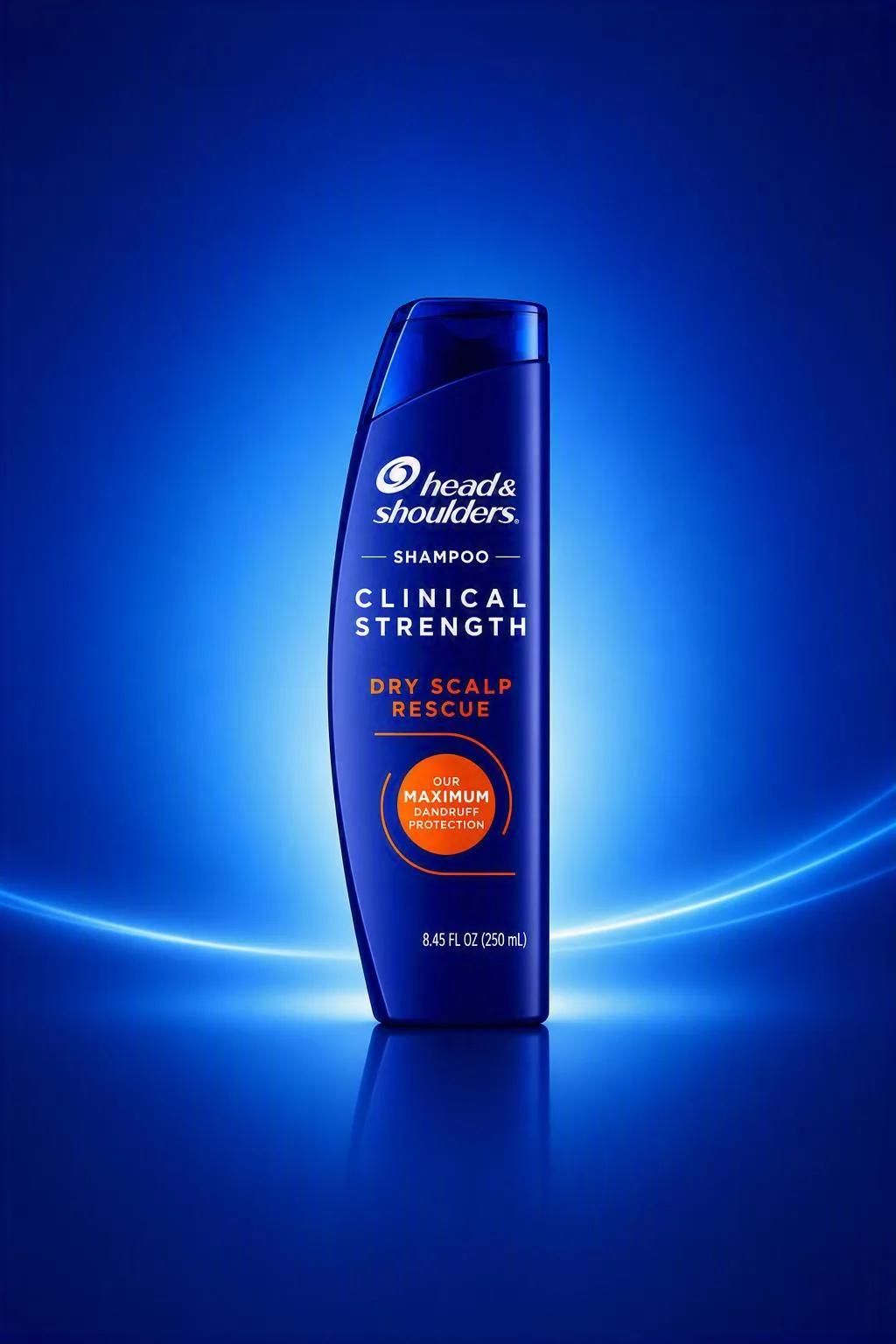
A good option is Head & Shoulders Clinical Strength Dry Scalp Rescue Shampoo, powered by 1% Selenium Sulfide to help break the cycle of stubborn dandruff. This Dermatologist's No. 1 choice delivers ultimate dandruff defence, works 2X faster vs. a regular anti-dandruff shampoo, and can help provide 100% dandruff-free results from the first wash when used as directed. Plus, it's gentle on the scalp and leaves hair feeling fresh and great-smelling.
That said, severe dandruff doesn't always respond to the first product you try. If symptoms persist despite several weeks of consistent use, or if you experience significant redness, inflammation, or discomfort, it's best to see a dermatologist. They can determine whether you're dealing with dandruff or another scalp condition and recommend the most appropriate treatment.
Key Takeaways
• There is no single solution that works for every scalp type.
• Clinical strength shampoos can be an effective option for managing severe dandruff.
• Persistent symptoms may require professional diagnosis and treatment.
Are Home Remedies Effective for Severe Dandruff?
Home remedies can help support scalp health, but they are rarely enough to manage severe dandruff on their own. While practices such as regular cleansing, stress management, and maintaining a balanced diet may help reduce flare-ups, they don't address the root cause in many severe cases.
Instead of relying solely on DIY remedies, focus on:
• Washing your scalp regularly with an appropriate anti-dandruff shampoo
• Avoiding harsh styling products that may irritate the scalp
• Managing stress, which can worsen symptoms
• Following a nutrient-rich diet that supports skin health
• Sticking to a consistent scalp-care routine
Key Takeaways
• Home remedies may support scalp health but have limitations.
• Severe dandruff often requires targeted treatment.
• Lifestyle habits work best alongside a dedicated dandruff routine.
When Should You See a Dermatologist?
Occasional flaking can often be managed at home, but severe dandruff sometimes signals an underlying scalp condition that requires professional treatment.
Consider consulting a dermatologist if:
• Your dandruff doesn't improve after 4–6 weeks of regular treatment
• The itching becomes intense or persistent
• Your scalp appears red, inflamed, or painful
• You notice thick, stubborn scales rather than loose flakes
• Flaking spreads beyond the scalp to the eyebrows, ears, or face
• You're experiencing noticeable hair shedding alongside dandruff
• Symptoms keep returning despite trying different anti-dandruff shampoos
Conditions such as seborrheic dermatitis, scalp psoriasis, eczema, or fungal infections can look similar to dandruff but require different treatment approaches.
Key Takeaways
• Seek professional advice if dandruff persists despite regular treatment.
• Severe redness, inflammation, or painful scalp symptoms shouldn't be ignored.
• Some scalp conditions can resemble dandruff but require different treatments.
Lifestyle Tips to Prevent Severe Dandruff
Alongside treatment, the following habits may help reduce future flare-ups:
Keep the scalp clean
Regular cleansing removes excess oil, dirt, and dead skin that can contribute to dandruff.
Limit Heavy Hair Products
Excessive use of styling creams, gels, and oils can lead to scalp buildup and worsen flaking.
Manage Stress
Stress can trigger or aggravate scalp conditions. Incorporating relaxation techniques and maintaining a balanced lifestyle may help reduce flare-ups.
Eat a Balanced Diet
Nutrient-rich foods containing vitamins, minerals, and healthy fats support overall scalp health.
Key Takeaways
• Daily habits play a major role in preventing flare-ups.
• Scalp health requires ongoing maintenance, not occasional treatment.
• Prevention is often easier than managing recurring symptoms.
Conclusion
Severe dandruff can be persistent, but it is manageable with the right treatment strategy. Consistent use of a proven anti-dandruff shampoo, proper scalp care, and healthy habits can significantly reduce flakes, itching, and irritation. For recurring dandruff, choosing a trusted solution such as Head & Shoulders clinical strength anti-dandruff shampoos can help maintain a healthier, more comfortable scalp over time.
FAQs
1. Which shampoo is best for severe dandruff and itchy scalp?
For severe dandruff and persistent itching, Head & Shoulders Clinical Strength Dry Scalp Rescue Shampoo is a suitable choice. Powered by 1% Selenium Sulfide, it helps break the cycle of stubborn dandruff, works 2X faster than a regular anti-dandruff shampoo, and can help deliver 100% dandruff-free results from the first wash when used as directed.
2. How can I tell if my scalp is dry or if I have dandruff?
While both conditions can cause flakes and itching, dandruff flakes are usually larger and may be accompanied by scalp oiliness. Dry scalp flakes tend to be smaller, lighter, and often come with a feeling of tightness. Identifying the difference can help you choose the right treatment approach
3. Can weather changes cause an itchy scalp?
Yes! Cold weather, dry air, and seasonal changes can contribute to scalp dryness and irritation. Some people find that symptoms become more noticeable during winter or in air-conditioned environments.
4. Is Head & Shoulders shampoo effective for severe dandruff and scalp irritation?
Yes, Head & Shoulders clinical strength range shampoos are formulated with selenium sulfide ingredients that help control dandruff-causing microorganisms and reduce excessive scalp cell turnover. As a result, it can effectively relieve severe dandruff, flakes, itching, and scalp irritation when used consistently. If symptoms persist or worsen, consult a dermatologist.
5. How long does it take to see improvement?
Many people start noticing fewer flakes, reduced itching, and a healthier-looking scalp within 2–4 weeks of consistent use of an appropriate anti-dandruff shampoo. However, results can vary depending on the severity of dandruff, scalp condition, and how regularly the treatment is used. Consistency is key to long-term improvement.
6. Should I use conditioner if I have dandruff?
Yes. Conditioners can still be part of a dandruff-care routine. The key is choosing products that suit your scalp and hair needs. If dryness is also a concern, a nourishing conditioner can help improve overall hair softness without replacing anti-dandruff treatment.