
Step-by-Step Routine to Control Oily Sticky Dandruff Without Damaging Your Hair
Having a dandruff problem is not just about having snowflakes on your shoulders. If your scalp feels greasy and itchy, and you scratch it and find yellow gooey gunk stuck under your nails, you most likely have sticky dandruff on the scalp. Dandruff is usually portrayed as dry, pesky flakes that keep flying everywhere, and the anti-dandruff hair care market is filled with products that address this kind of dandruff. But if you fall under the category of oily, sticky dandruff, this article is a must-read for you.
In this article, we will talk about persistent, greasy flakes that cling to the scalp, how they are caused, and the most effective sticky dandruff treatment. Here we have shared a simplified step-by-step routine that you can follow for a clean, healthy scalp.
Why Does Sticky Dandruff Happen? The Science Behind It
Sticky, oily dandruff is usually a result of excess sebum and the overgrowth of a yeast called Malassezia on the scalp. It manifests as greasy, yellowish, or clinging flakes rather than the dry, flaky ones. Sticky dandruff on the scalp can be caused by several factors, including overwashing or not washing enough, scalp buildup, or using the wrong products. Resorting to random sticky dandruff home remedies can disrupt the scalp balance and further exacerbate the issue, making it crucial to turn to the right sticky dandruff treatment. Here’s a step-by-step routine of how you can control oily, sticky dandruff without damaging your hair quality.
1. Choose the Right Anti-dandruff Shampoo
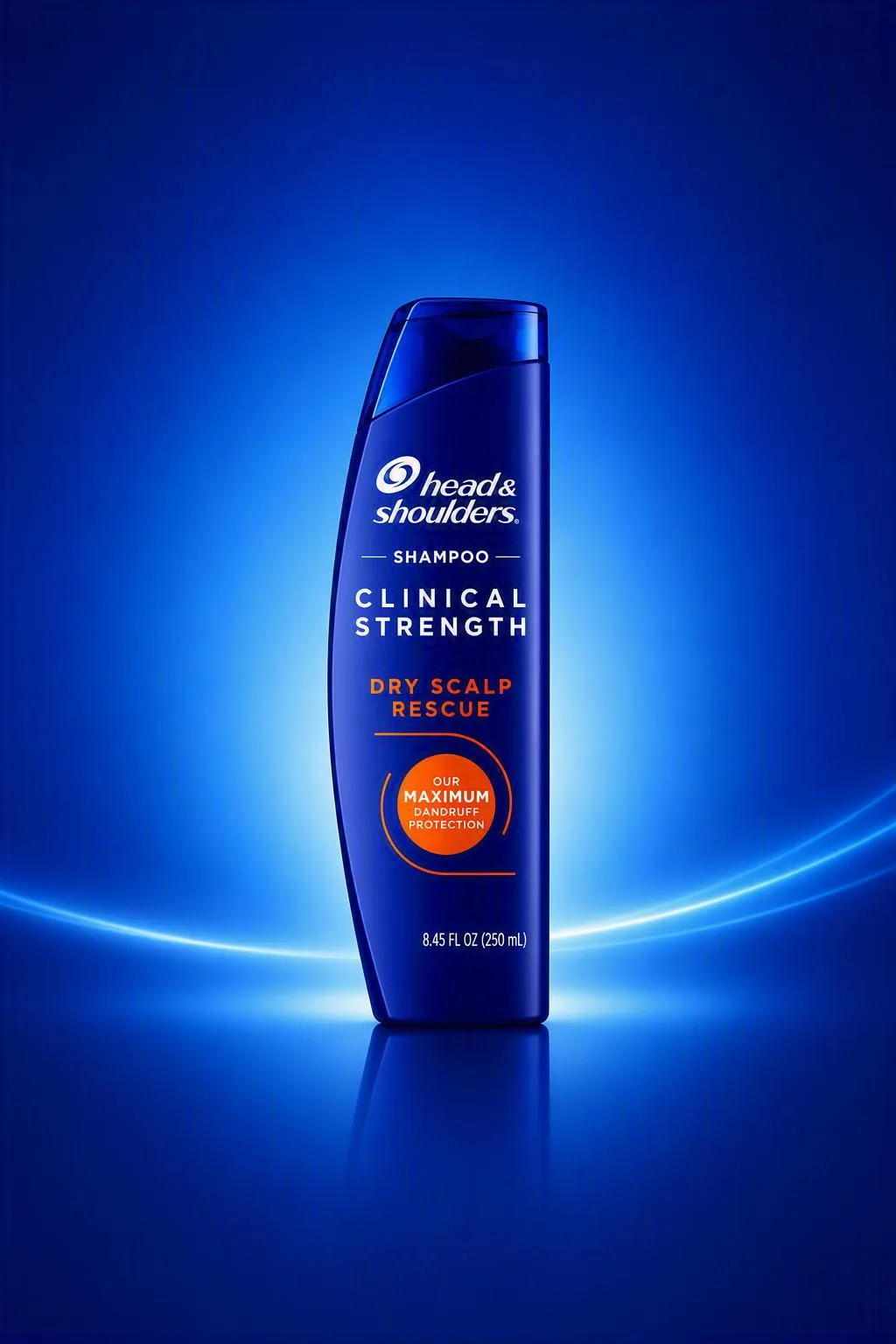
Selecting the right anti-dandruff shampoo is the first and most important step towards treating the sticky dandruff on the scalp. Your chosen shampoo should be able to break down extra oil while addressing the underlying cause. You can look out for active ingredients that are helpful to deep clean the scalp and control the fungal growth. Oxygenated charcoal is known for its detoxifying properties in hair care. You can use an anti-dandruff shampoo with oxygenated charcoal to draw out impurities and deep cleanse the scalp. The Deep Cleanse Shampoo by Head & Shoulders is powered by oxygenated charcoal and is excellent at removing sticky dandruff, product buildup, and excess oil without damaging the hair. Regular use of such a shampoo, two to three times a week, helps maintain the scalp's freshness and control sebum production. Always use a light conditioner only on the ends afterward.
2. Use the Double-rinse Method
This technique ensures that oil, sweat, sebum, and product residue are thoroughly removed from the scalp. Start by wetting your hair completely and applying a generous amount of shampoo with focus on the roots. Lather it well and let it sit for a minute to begin breaking down the oils. Rinse lightly, but don’t stop here. Apply shampoo again, let it sit for a bit, then massage deeply to break down stubborn buildup before rinsing completely. This method improves cleansing without harsh scrubbing, making it ideal for sticky dandruff treatment.
3. Exfoliate Your Scalp Weekly
Scalp exfoliation helps remove built-up oil, flakes, and dead skin that shampoo may have left behind. Use a gentle, non-abrasive exfoliating product made for the scalp. Regular exfoliation prevents clogged follicles, boosts scalp circulation, and creates a healthier setting for hair growth. This step is especially helpful for sticky dandruff treatment, as sticky dandruff tends to accumulate in thick patches. Avoid over-exfoliating, as it can irritate the scalp and increase oil production. Once a week is sufficient for most hair types.
4. Avoid Heavy Conditioners
Thick, creamy conditioners can stick to the scalp and make oily flakes worse. Instead, choose light, gel-based, or volumising formulas and apply them only to the mid-lengths and ends. Putting conditioner near the scalp traps moisture and sebum, creating an ideal environment for dandruff-causing microbes. Rinse thoroughly to ensure no residue is left behind. Whenever you have a dandruff flare-up, skip leave-in creams and heavy masks. Keeping the scalp free from extra oils is crucial for quickly reducing sticky dandruff.
5. Space out Your Wash Days
Washing too often can strip natural oils, causing the scalp to overproduce sebum as a means of compensation. This creates a cycle of oiliness and flaky buildup. Aim to wash your hair every 2 to 3 days unless your dermatologist recommends otherwise. Spacing out wash days allows your scalp to balance oil production naturally. A consistent routine helps prevent the formation of sticky dandruff caused by fluctuating sebum levels. Combine this with proper cleansing techniques for the best results.
6. Keep your Nutrients in Check
Your diet greatly affects your scalp's health more than you think. Increasing your intake of omega-3 fatty acids, found in walnuts, flaxseeds, and fish, can help reduce inflammation and regulate oil production. Limiting sugar and fried foods can also prevent sebum spikes that contribute to sticky dandruff. Make sure you’re getting enough zinc, vitamin B, and antioxidants to support scalp health. A balanced diet strengthens the skin barrier, making the scalp more resistant to dandruff-causing factors. Small changes in your diet can greatly improve long-term scalp health.
7. Avoid Heat Exposure and Harsh Treatments
Excessive heat from styling tools can dry out the scalp and cause deeper layers to produce more oil and, hence, sticky dandruff. Limit blow-drying, straightening, curling, and hot oil treatments when dealing with active dandruff. Chemical treatments like bleaching, smoothing, or colouring can further irritate the scalp and worsen flakes. Choose gentle hairstyles and air-dry whenever you can.
8. Manage Stress
Stress can disrupt hormone balance, increase oil production, and weaken the scalp’s natural defenses. This can trigger or worsen sticky dandruff by allowing fungal growth to thrive. Incorporate stress-relief practices like deep breathing, meditation, or daily walks into your routine. Better stress management can also improve sleep quality, which affects scalp regeneration. Over time, a calmer mind leads to a calmer scalp. Remember, dandruff often worsens during stressful times, so prevention starts from within.