
What Is Dandruff? Symptoms of Dandruff Explained
Dandruff is one of the most common scalp concerns worldwide, yet it is often misunderstood. Many people assume it is caused by poor hygiene or a dry scalp, but the reality is far more complex. Factors such as scalp oil, sensitivity to Malassezia yeast, and changes in scalp health can all play a role in triggering flakes and irritation.
The good news? Dandruff is usually manageable once you understand what causes it and how to recognise the signs. In this guide, we'll break down the common symptoms of dandruff, what may be causing them, and what you can do to keep your scalp healthy and flake-free.
What Is Dandruff?
Dandruff is a scalp condition that causes the shedding of visible flakes of dead skin from the scalp. It is often accompanied by itching and may become more noticeable during certain seasons or periods of stress. Although dandruff is often mistaken for poor hygiene, it is not caused by being unclean. Several factors may contribute to dandruff, including scalp oil, sensitivity to scalp microorganisms such as Malassezia yeast, dry skin, and certain skin conditions. To help manage persistent or severe dandruff, dermatologists often recommend medicated shampoos containing active ingredients such as selenium sulfide, which is widely used to effectively treat severe dandruff and help control recurring flakes.
Key Takeaways
• Dandruff causes visible flakes and scalp itching. It is not caused by poor hygiene or being unclean.
• Scalp oil, Malassezia yeast, and skin irritation can contribute to dandruff.
• Selenium sulfide is a widely used active ingredient that helps treat severe dandruff and control recurring flakes.
What Are the Common Symptoms of Dandruff?
The symptoms of dandruff can vary from mild to severe, but they typically include:
1. White or Yellow Flakes on the Scalp
The most recognisable sign of dandruff is the appearance of white or yellowish flakes in the hair, on the scalp, or on clothing, especially dark-coloured clothing.
2. Itchy Scalp
Many people with dandruff experience persistent scalp itching. Scratching can make flakes more noticeable and may further irritate the scalp.
3. Oily or Greasy Scalp
In some cases, dandruff is associated with excess scalp oil, which can cause flakes to clump together and appear larger or yellowish in colour.
4. Mild Scalp Redness or Irritation
Although classic dandruff is primarily characterised by flaking, some people may experience mild irritation or redness, especially when dandruff is linked to seborrheic dermatitis.
Key Takeaways
• White or yellow flakes are the hallmark symptom of dandruff.
• An itchy scalp often accompanies flaking.
• Some people experience oily buildup and mild scalp irritation.
• Symptoms can range from occasional flakes to persistent scalp discomfort.
What Causes Dandruff?
The exact cause of dandruff is not fully understood, but several factors are known to contribute to its development.
Overgrowth of Malassezia Yeast
A naturally occurring yeast called Malassezia lives on most scalps. In some individuals, it can trigger irritation and increased skin cell turnover, resulting in visible flakes.
Excess Scalp Oil
Oily skin and increased sebum production can create an environment where dandruff becomes more noticeable.
Dry Skin
Dry scalp can also lead to flaking, although the flakes are often smaller and less oily than those seen with dandruff.
Sensitivity to Hair Products
Some shampoos, styling products, or hair dyes may irritate the scalp and trigger flaking.
Other Skin Conditions
Conditions such as psoriasis, eczema, and seborrheic dermatitis may cause symptoms that resemble or worsen dandruff.
Key Takeaways
• White or yellow flakes are the hallmark symptom of dandruff.
• Dandruff is often linked to scalp oil and Malassezia yeast.
• Dry skin and product sensitivity can contribute to flaking.
• Certain skin conditions may mimic or worsen dandruff.
• Multiple factors often work together to trigger symptoms.
How Can You Manage Dandruff Effectively?
Managing dandruff often starts with choosing an anti-dandruff shampoo formulated with clinically proven ingredients. One ingredient commonly used for stubborn dandruff concerns is selenium sulfide, which helps target the root cause of dandruff associated with Malassezia, the dandruff-causing germ linked to scalp flaking and itching.
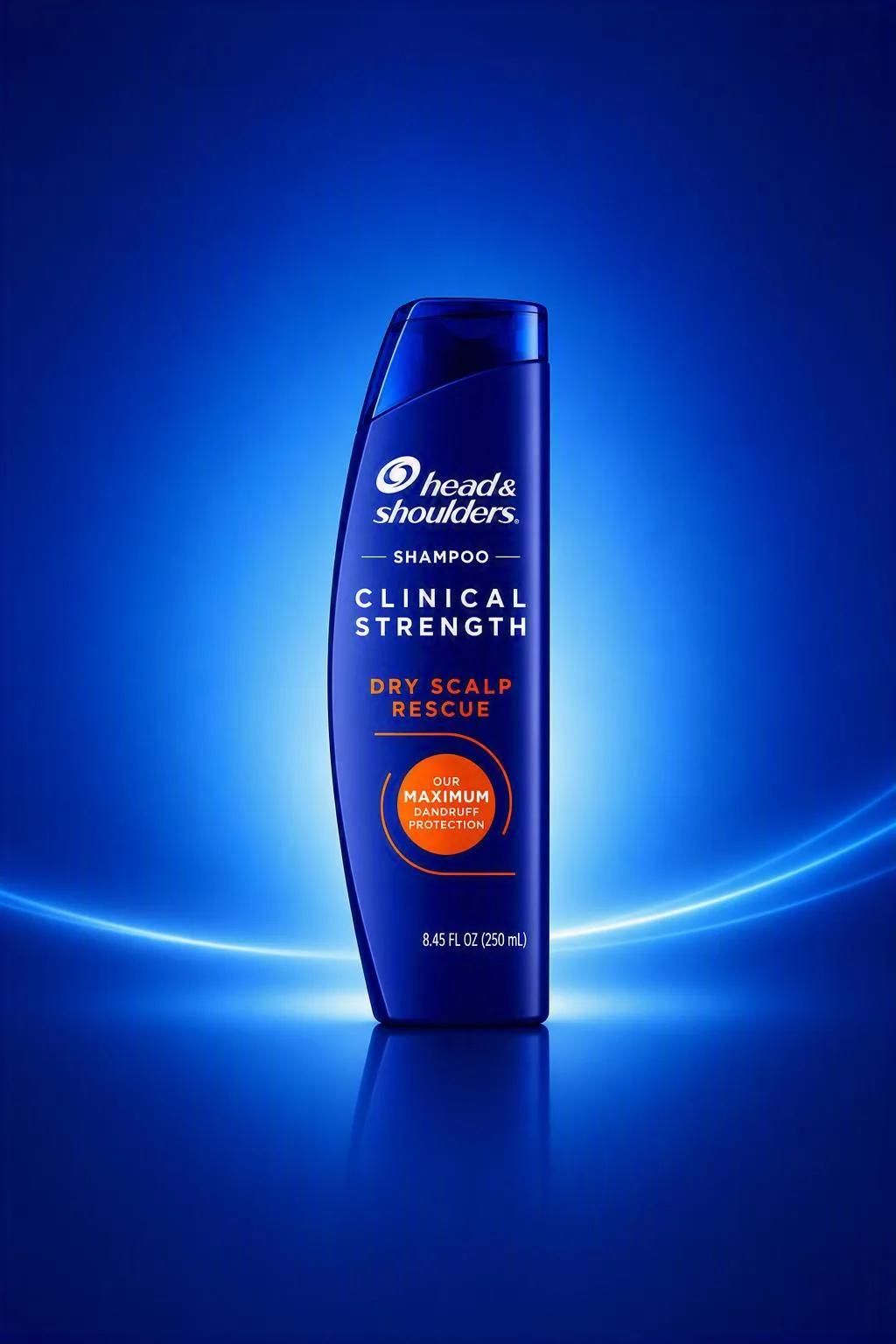
For persistent dandruff concerns, the Head & Shoulders Clinical Strength range offers targeted solutions powered by 1% Selenium Sulfide. If dandruff is accompanied by dryness and scalp discomfort, Head & Shoulders Clinical Strength Dry Scalp Rescue Shampoo helps tackle stubborn flakes while supporting scalp comfort. For those dealing with intense scalp itching alongside dandruff, Head & Shoulders Clinical Strength Cooling Itch Relief Shampoo is designed to help relieve itch and provide lasting scalp freshness.
Both shampoos start working on the root cause of dandruff from the first wash and help break the cycle of recurring dandruff. Compared to regular anti-dandruff shampoos, they provide 4X stronger dandruff protection, 2X faster action against the main cause of dandruff, and 35% more dandruff-fighting power.
Their advanced selenium sulfide formula helps fight dandruff-causing microbes quickly, while a unique deposition system delivers 1.5X more selenium sulfide deposition on the scalp at the same 1% concentration. The formulas are also designed to help keep hair soft and smooth while supporting the scalp barrier, making them suitable for regular use.
When Does Dandruff Need Medical Attention?
While mild dandruff can often be managed with regular anti-dandruff shampoos, medical advice may be needed if:
• Symptoms persist despite treatment
• The scalp becomes very red or inflamed
• Flaking spreads beyond the scalp
• Severe itching develops
• You notice patchy hair loss
• The scalp becomes painful or swollen
A dermatologist can determine whether dandruff or another scalp condition is causing your symptoms.
Key Takeaways
• Persistent or severe symptoms should be evaluated by a dermatologist.
• Hair loss, redness, or widespread scaling may indicate another condition.
• Early diagnosis can help prevent prolonged scalp discomfort.
Conclusion
Flakes on your shoulders may seem like a minor annoyance, but they are often your scalp's way of signalling that something is out of balance. Whether dandruff shows up as occasional flakes, persistent itching, or recurring scalp irritation, understanding the symptoms is the first step towards managing it effectively.
The good news is that dandruff is usually manageable with the right scalp care routine and ingredients that target its root cause. By recognising the signs early and taking consistent action, you can spend less time worrying about flakes and more time enjoying a healthy, comfortable scalp.
FAQs
1. Can dandruff cause hair loss?
Dandruff itself does not usually cause hair loss. However, severe scalp inflammation or excessive scratching may contribute to temporary shedding. Persistent hair loss should be evaluated by a dermatologist.
2. How do I know if I have dandruff or a dry scalp?
Dandruff typically produces larger, oilier flakes and may be associated with scalp oiliness, while dry scalp causes smaller flakes and a tight, dry feeling.
3. Why does my dandruff get worse in winter?
Cold temperatures and lower humidity can trigger scalp dryness and worsen dandruff symptoms in many people.
4. Can dandruff spread to other parts of the body?
Dandruff itself is limited to the scalp, but related conditions such as seborrheic dermatitis can affect areas like the eyebrows, ears, beard area, and sides of the nose.
5. Is dandruff permanent?
Dandruff is often a recurring condition, but it can usually be managed effectively with appropriate scalp care and anti-dandruff treatments.