
How to get rid of oily dandruff
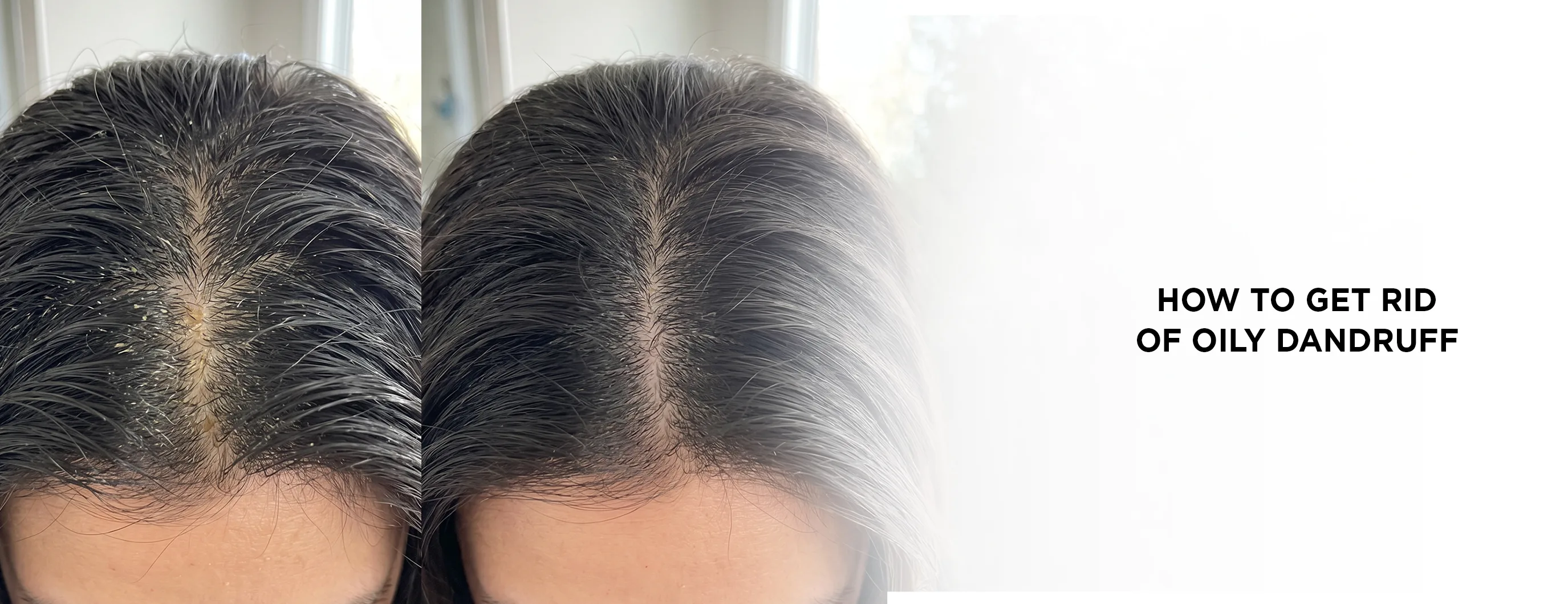
Oily dandruff is one of the most stubborn scalp concerns, especially in India's warm and humid climate. Unlike dry, powdery flakes that fall off easily, oily dandruff tends to stick to the scalp and hair, often accompanied by an oily sheen, itching, and an unpleasant scalp odour by the end of the day. Head & Shoulders has a range built around this exact concern, formulated to control oil while targeting the fungal cause of dandruff at the same time. Here is everything you need to know about why it happens and how to get rid of it for good.
What Is Oily Dandruff
Oily dandruff, also known as seborrheic dandruff, occurs when excess sebum on the scalp creates an environment where Malassezia, the yeast-like fungus responsible for dandruff, thrives. This leads to larger, yellowish flakes that cling to the scalp and hair, often combined with redness, itching, and a greasy feeling that returns quickly even after washing.
You are likely dealing with oily dandruff if you notice:
- Greasy, yellowish flakes rather than small white ones
- A scalp that feels oily again within a few hours of washing
- Itching that worsens with sweat or heat
- Flakes that cling to hair strands instead of falling off easily
Key Takeaways
- Oily dandruff is linked to excess sebum combined with Malassezia overgrowth
- Flakes are typically larger, yellowish, and stick to the scalp and hair
- Itching and quick return of oiliness are common signs
- Identifying oily dandruff correctly helps choose the right treatment approach
Why Oily Dandruff Happens
Several factors specific to Indian weather and lifestyle can contribute to oily dandruff:
| Factor | How It Contributes |
|---|---|
| Heat and humidity | Increases sweat and sebum production on the scalp |
| Pollution and dust | Mixes with scalp oil, creating buildup |
| Infrequent washing | Allows oil and fungus to accumulate over time |
| Styling products | Can add to scalp buildup if not washed out properly |
| Hormonal factors | Can increase oil gland activity in some individuals |
Understanding these triggers can help you make small lifestyle adjustments alongside using the right shampoo.
Key Takeaways
- Heat, humidity, and pollution are major contributors to oily dandruff in India
- Infrequent washing allows oil and fungus buildup over time
- Styling product residue can worsen scalp oiliness
- A combination of lifestyle habits and the right shampoo works best
How to Get Rid of Oily Dandruff: Step by Step
Getting rid of oily dandruff requires a routine that controls oil while also addressing the underlying fungal cause. Here is a practical approach:
1. Wash regularly with the right shampoo:
Use an anti-dandruff shampoo that also helps control oil, ideally every alternate day. Washing too infrequently allows oil and fungus to build up, while washing too often with the wrong shampoo can sometimes irritate the scalp further.2. Focus the shampoo on the scalp:
Apply shampoo directly to the scalp rather than just the hair length, and massage gently for one to two minutes. This allows active ingredients to work where dandruff actually originates.3. Rinse thoroughly:
Make sure all the product is rinsed out completely. Leftover residue can mix with natural oils and contribute to further buildup.4. Keep conditioner away from the scalp:
Apply conditioner only from mid-length to ends. Conditioning the scalp directly can add unnecessary oiliness and reduce the effectiveness of your anti dandruff shampoo.5. Avoid touching your hair frequently:
Hands transfer oil and dirt to the scalp throughout the day, which can undo some of the benefits of your wash routine.6. Be consistent:
Most anti-dandruff actives need three to four weeks of regular use to show visible improvement, since they work gradually on the underlying fungal cause.Key Takeaways
- Alternate day washing with a scalp focused technique works best for oily dandruff
- Thorough rinsing prevents residue buildup
- Conditioner should be applied only to hair length, not the scalp
- Consistency over three to four weeks is key to visible results
Choosing the Right Shampoo for Oily Dandruff
For oily scalps prone to dandruff, the ideal shampoo should do two things well: control excess oil and target the dandruff-causing fungus, without leaving the hair feeling stripped or overly dry.
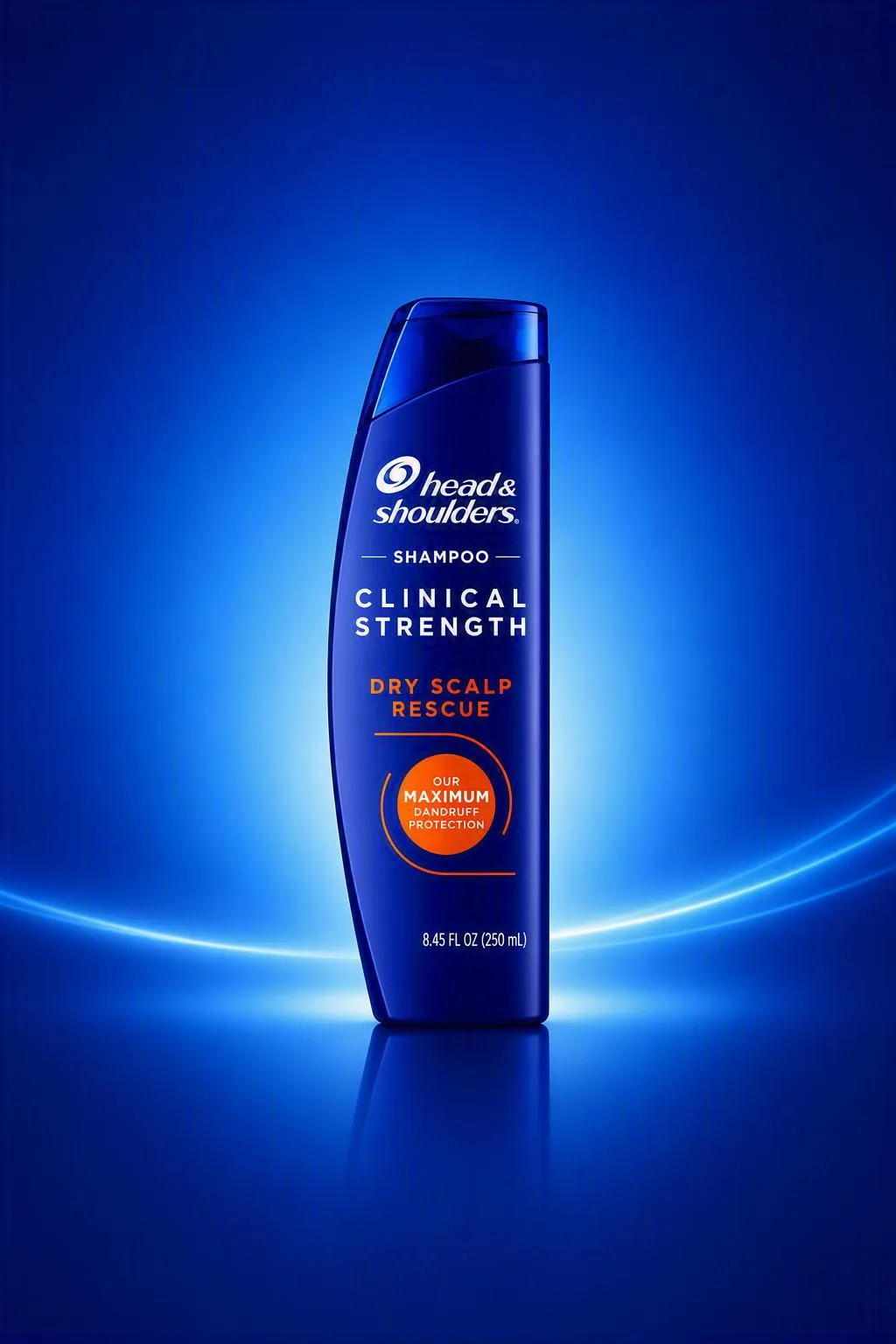
The Head & Shoulders BARE Anti-Dandruff Shampoo, Pure Clean variant, is formulated with this in mind. It offers proven anti-dandruff efficacy that helps reduce visible dandruff with regular use, while its plant oil-derived cleanser helps lift excess oil and impurities from both the scalp and hair. This makes it a suitable choice for those dealing with oily scalp and dandruff together, without the heaviness that some shampoos can leave behind.
When choosing a shampoo for oily dandruff, look for:
- A proven anti-dandruff active that works on the underlying fungal cause
- A formula that helps lift excess oil without overdrying the scalp
- A lightweight feel that does not weigh hair down after washing
- Suitability for regular, alternate-day use
Key Takeaways
- The right shampoo should combine oil control with proven anti-dandruff action
- Head & Shoulders BARE Pure Clean helps reduce visible dandruff and lift excess oil and impurities
- A lightweight formula prevents hair from feeling weighed down
- Choose a shampoo suitable for regular, alternate-day use
Lifestyle Habits That Help
Alongside the right shampoo, a few daily habits can make a noticeable difference in managing oily dandruff:
- Tie up hair when sweating heavily, especially during workouts or commutes, to limit sweat accumulation at the scalp
- Use a clean towel to gently blot sweat from the hairline rather than rubbing
- Avoid heavy, oil-based hair products applied directly to the scalp
- Wash pillowcases and caps regularly, as they come in contact with the scalp and can harbour oil and fungus
- Manage stress and get adequate sleep, as both can influence oil gland activity
Key Takeaways
- Managing sweat through the day reduces oil buildup at the scalp
- Heavy oil-based products should be kept away from the scalp
- Regular washing of pillowcases and caps supports scalp hygiene
- Stress management and sleep also play a role in oil regulation
Summing It Up
Oily dandruff can feel like a constant cycle of greasy roots and stubborn flakes, but it is very manageable with the right approach. A consistent routine, alternate-day washing with a shampoo that controls oil while targeting dandruff at its source, and a few mindful daily habits can break this cycle effectively. With patience and consistency over a few weeks, you can enjoy a scalp that feels clean, balanced, and flake-free.
FAQs
1. What is the difference between oily dandruff and dry dandruff?
Oily dandruff appears as larger, yellowish, greasy flakes that stick to the scalp and hair, while dry dandruff appears as small, white, powdery flakes that fall off more easily.
2. Can an oily scalp cause more dandruff?
Yes, excess oil on the scalp creates a favourable environment for Malassezia, the fungus linked to dandruff, which can increase flaking and itching over time.
3. How often should I wash my hair for oily dandruff?
Washing every alternate day with a shampoo that controls oil and targets dandruff generally works well for most people with oily dandruff.
4. Does oily dandruff cause hair fall?
Oily dandruff does not directly cause hairfall. However, persistent oily dandruff combined with clogged follicles can weaken hair roots over time, which may contribute to increased hair fall if left untreated.
5. Can diet affect oily dandruff?
Yes, a diet high in fried, oily, or sugary foods can influence oil production, and reducing these, along with staying hydrated, may help support a balanced scalp.